



- Trump Iran Peace Talks: President Trump held multiple high-level conversations with Defense Secretary Pete Hegseth and Chairman of the Joint Chiefs of Staff Gen. Dan Caine regarding full-scale airstrikes on Iran, effectively “finishing the job.“
- Diplomatic Path Prioritized: Trump decided to stick with diplomatic negotiations for now, telling aides that full-scale attacks could derail diplomacy and harm efforts to dismantle Iran’s nuclear program.
- Invisible Regional Leverage: The decision to grant talks more time—including potentially blowing past an Aug. 18 deadline—coincides with U.S. envoys Witkoff and Kushner arriving in Doha for indirect talks facilitated by Qatar.
- The “Middle Ground” Strategy: The U.S. is pursuing a strategy of predictable one-off reprisals for ceasefire violations, combined with a newly established crisis communication channel between U.S. Central Command and the IRGC
WASHINGTON —As speculation mounts over the future of the Trump Iran peace talks, the pendulum has swung once again between devastating military action and a tenuous diplomatic resolution.
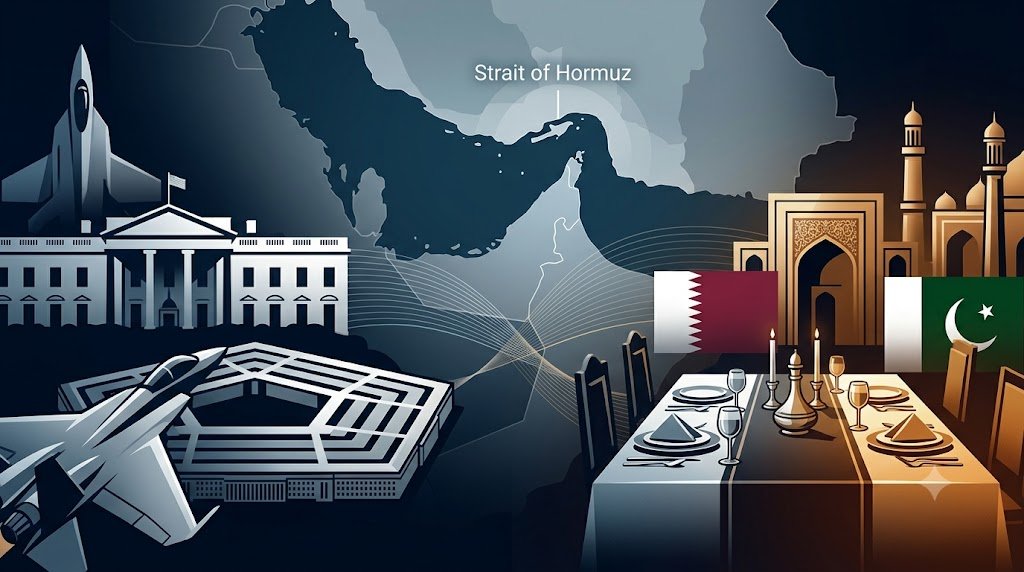
In the high-stakes theater of U.S.-Iran relations, the pendulum has swung once again between devastating military action and a tenuous diplomatic resolution. Behind closed doors, President Donald Trump has actively weighed a return to full-scale war, holding intense deliberations with Defense Secretary Pete Hegseth and Chairman of the Joint Chiefs of Staff Gen. Dan Caine. Yet, despite military briefings outlining plans to “finish the job,” Trump has chosen to stay the course of diplomacy—leaving geopolitical analysts to ask whether regional intermediaries like Qatar and Pakistan quieted the drums of war.
The debate arrives at a critical juncture. While the Pentagon possesses extensive options to resume wide-ranging airstrikes, the administration has subtly signaled flexibility, indicating a willingness to blow past the self-imposed August 18 deadline for a definitive nuclear deal. The decision to grant negotiations more breathing room coincides with a flurry of diplomatic activity in Doha, raising critical questions about the invisible leverage exercised by regional mediators.
The Doha Nexus and the Pakistani Factor
While Trump publicly maintains that Tehran is “agreeing to everything that I want,” the reality on the ground is far more deadlocked. U.S. Iran envoys Steve Witkoff and Jared Kushner recently arrived in Doha for a critical round of indirect negotiations. Operating via Qatari intermediaries, the technical delegations are attempting to bridge a massive chasm over Strait of Hormuz transit fees and the future threshold of Iran’s nuclear program.
READ MORE: US strikes on Iran escalate as Strait of Hormuz tensions threaten global oil prices
Qatar’s role as the indispensable sandbox for U.S.-Iran backchannels is well-established, but its convergence with Pakistani diplomatic interests provides a deeper layer of conflict resolution. For both Islamabad and Doha, an all-out war on Iran represents an unmitigated economic and security disaster. Pakistan, sharing a volatile border with Iran, faces the immediate threat of cross-border refugee crises, regional sectarian instability, and severe disruption to energy corridors.
Historically, Pakistan has positioned itself as a neutral bridge between Tehran and Washington, often working in tandem with wealthy Gulf states like Qatar to de-escalate crises before they ignite the broader Middle East. By offering structured, secure diplomatic tracks, these regional partners provide Trump with a politically viable alternative to a costly military campaign. They offer the one thing the administration needs to avoid a tacit admission of strategic failure: a credible theater for “deal-making.”
RELATED ARTICLE: Trump Briefed on All-Out War Options in Iran but Opts to Stick With Talks
Trump Iran Peace Talks: The Limits of “Epic Fury” and the Price of Bombing
The reluctance to reignite the conflict is also grounded in the stark military math of Operation Epic Fury. Since launching on February 28, the campaign successfully struck over 13,000 targets, severely crippling Tehran’s conventional drone and missile manufacturing capabilities. However, when top brass briefed the president that completely eliminating the Iranian threat would require several more weeks of devastating bombardment, Trump chose a ceasefire instead.
Trump’s internal deliberations reveal a deep-seated aversion to the broader economic fallout of an uncontained war. As the president himself observed:
“If we go and bomb… you won’t have the strait opened for months. If we do the bombing, a lot of people are going to be killed. Who wants to do that? I don’t.”
This rationale aligns perfectly with the strategic counsel likely coming out of regional capitals. A closed Strait of Hormuz would send global energy markets into a tailspin, undercutting the fragile economic stabilizing effects currently driven by U.S. naval escorts.
A Fragile Middle Ground
For now, the administration is settling into what Suzanne Maloney, an Iran expert at the Brookings Institution, describes as a “middle-ground strategy.” Rather than launching a full-scale offensive, the U.S. is relying on predictable, one-off retaliatory strikes alongside a newly established crisis communication channel between the Islamic Revolutionary Guard Corps (IRGC) and U.S. Central Command.
By leveraging economic incentives—such as calibrated access to billions in frozen Iranian assets—and relying on the diplomatic infrastructure provided by Qatar, Trump is attempting to squeeze concessions from Tehran without firing the shot that restarts a war. Whether this delicate mix of economic coercion and regional mediation can deliver a permanent deal remains an open question, but for now, the channels of diplomacy in Doha remain open.