



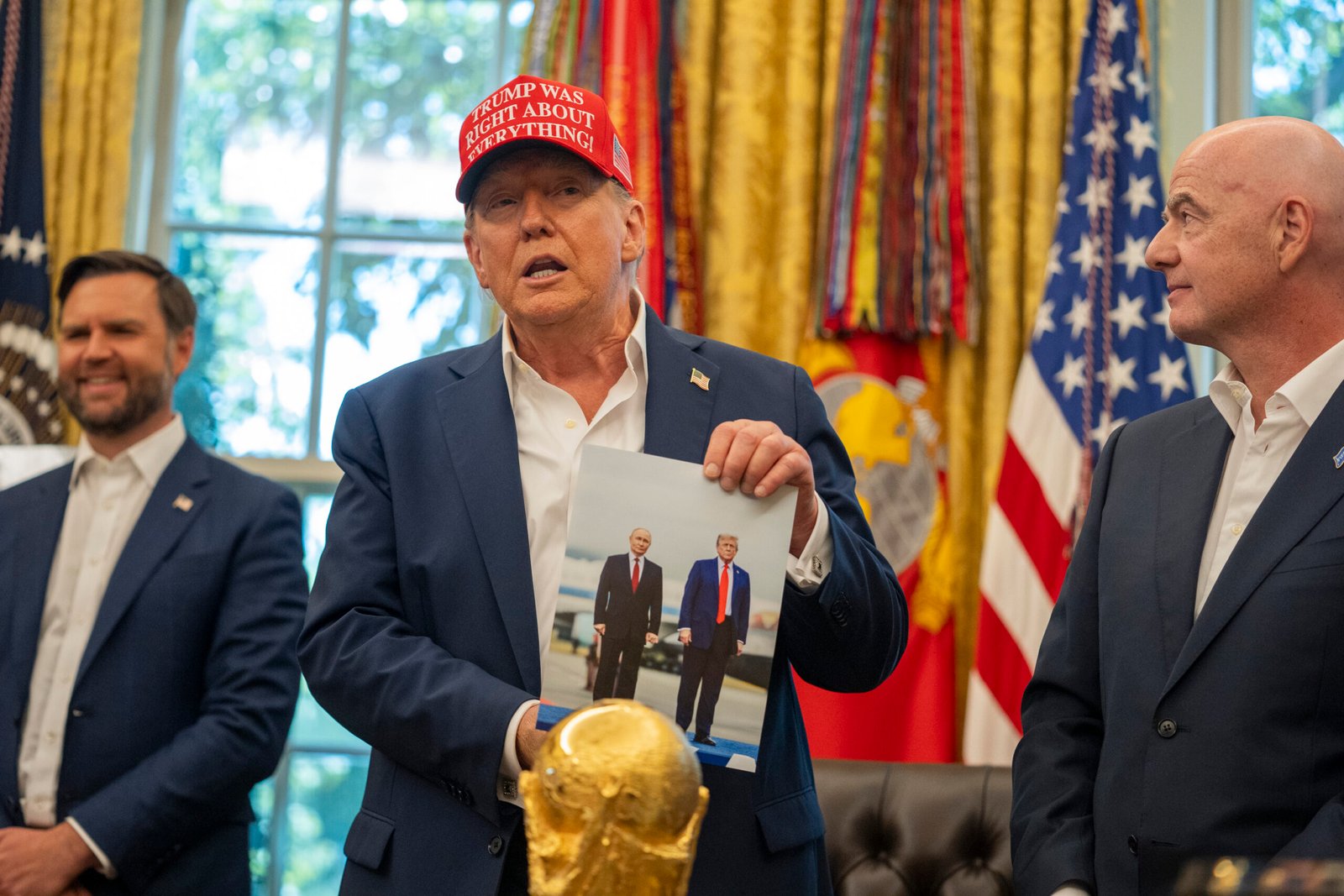
- Ukraine Peace Plan: Trump signals he may modify the 28-point Ukraine war peace plan after widespread criticism.
- European leaders warn the proposal leaves Kyiv dangerously exposed to future Russian attacks.
- U.S. lawmakers say the draft reflects Moscow’s demands, intensifying trans-Atlantic tensions.
- Kyiv prepares a calibrated “no, but” reply as battlefield pressure and political strain mount.
President Donald Trump on Saturday signaled he may revise parts of his administration’s highly controversial 28-point peace plan for ending the Ukraine war, after an eruption of criticism from Kyiv, European allies and even senior Republicans who say the draft bends unmistakably toward Moscow’s longstanding demands. But with a Thursday deadline hanging over Ukraine, diplomatic unease is intensifying across Western capitals as Trump presses for a rapid settlement that many fear could reshape European security for decades.
Speaking at the White House, Trump insisted the proposal is “not my final,” adding, “We’d like to get to peace. It should’ve happened a long time ago.” He declined to specify which clauses he might modify. Still, the message was clear: the administration wants a deal, and fast — even if it requires forcing Kyiv into strategic concessions at a moment when Ukraine faces both military strain and political turbulence.
Zelensky Escalates as Trump Pushes for Peace: Why Ukraine War Hangs in the Balance
At the center of the uproar is the acknowledgment from U.S. officials that the draft was developed with “input from the Russian side,” including consultations between U.S. envoy Steve Witkoff and Kremlin-linked financier Kirill Dmitriev. That revelation has rattled NATO governments and raised questions about how the proposal was crafted and what role Moscow played in shaping its contours.
A Plan Tilted Toward Moscow
According to the draft, Ukraine would be required to cede territory in the east, abandon any prospects of joining NATO and accept a cap on the size of its military. In exchange, Kyiv would receive funds for reconstruction and a conditional guarantee of U.S. assistance if Russia attacked again — a guarantee far weaker than the European-proposed “reassurance force” that Ukraine had hoped would anchor its future security.
READ MORE: Trump says Ukraine ungrateful as officials meet to convince Kyiv to accept peace proposals
The terms sparked immediate condemnation from across Europe.
“If you ask me personally, I would rewrite everything,” Estonia’s Defense Minister Hanno Pevkur said, describing the plan as “100 to zero” in Russia’s favor. Fourteen European leaders meeting at the G20 summit in South Africa issued a joint statement warning that the U.S. proposal, as drafted, “would leave Ukraine vulnerable to future attack.”
American lawmakers voiced similar concerns. Republican Senator Thom Tillis said the U.S. “should not do anything that makes [Putin] feel like he has a win here,” while a bipartisan Senate group reported being told by Secretary of State Marco Rubio that the 28-point plan amounted to a “Russian wish list” delivered through back channels — though Rubio later clarified that the U.S. authored the document using input from both sides.
Ukraine Peace Plan: Kyiv Under Pressure
For Ukraine, the political and military climate could scarcely be more complex. Russian forces have been advancing in the Donbas amid grinding attrition, while Ukrainian President Volodymyr Zelensky faces a corruption scandal that has already shaken confidence at home and in European capitals. Within the ruling party, cracks are emerging over battlefield management, aid distribution and the future of Zelensky’s leadership.
ALSO READ: Ukraine France Rafale Deal Shows a War Now Set to Define Europe’s Next Decade
Senior members of the Trump administration argue that the situation demands urgency.
“There is a fantasy that if we just give more money, more weapons, or more sanctions, victory is at hand,” Vice President JD Vance posted on Friday night, signaling Washington’s shift from supporting Ukrainian resistance to seeking a political settlement that reins in the conflict.
Following Trump’s return to office, the U.S. restricted the flow of weapons to Ukraine, tightened usage requirements and avoided imposing new sanctions on Russia until October. Europe, however, has gone the other way — pledging tens of billions, preparing long-term military support packages and debating the use of frozen Russian assets.
Dutch Defense Minister Ruben Brekelmans captured the European mood: “Some degree of compromise is needed, but it must be a compromise that Ukrainians…are able to accept and carry.”
Moscow Watching Calmly — and Confidently
Russia, for its part, has been striking a triumphant tone. With battlefield momentum and political fractures widening across Ukraine and parts of Europe, Putin appears confident that time favors Moscow. On Friday, he praised the U.S. plan as a potentially acceptable basis for negotiations — while warning Ukraine that rejecting it would only bring more losses.
Analysts agree that the Kremlin sees strategic opportunity.
“The Russians have remained very consistent,” said Thomas Graham of the Council on Foreign Relations. “If diplomacy will give them what they want, they’ll take it. Otherwise, they’re prepared to continue fighting.”
Moscow’s calculation is simple: Western democracies are fatigued, Ukraine is overstretched, and Washington is divided. Trump’s plan, even with revisions, signals a dramatic shift in U.S. posture — one that could tilt the war’s trajectory.
Europe and Ukraine Prepare a “No, But” Response
With negotiators from France, Germany and the U.K. heading to Geneva to meet American and Ukrainian officials, Europe is racing to reshape the U.S. proposal before it becomes a diplomatic fait accompli. Senators in Halifax predicted Kyiv would need to deliver a response that is both conciliatory toward Trump and firm about its red lines.
“Zelensky and Europe’s answer has to be: ‘No, but,’” said Senator Chris Coons, who emphasized that Trump often begins with “initial bluster” before moving toward compromise.
For now, what is certain is that the peace plan — and Trump’s willingness to revise it — has thrust the future of the Ukraine war into a new and uncertain phase. Whether the U.S. can bridge its internal divisions and repair trust with Europe will determine whether peace is truly within reach, or whether the plan triggers deeper fractures in the Western alliance.