



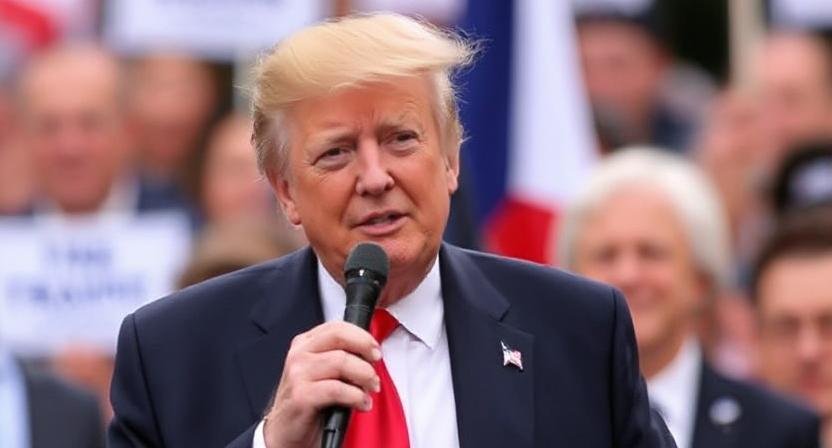
- A U.S. State Department delegation led by Samuel Samson quietly met France’s National Rally (RN) in May to offer public support for Marine Le Pen.
- RN declined the proposal, fearing Trump’s endorsement could damage their chances in France’s 2027 presidential race.
- Le Pen’s party conveyed confidence in Jordan Bardella’s candidacy despite her court-imposed disqualification.
- The meeting illustrates Europe’s far-right unease with aligning too closely with Trump’s controversial global image.
In a quietly significant diplomatic episode last month, a U.S. State Department delegation led by Samuel Samson—an influential figure in Donald Trump’s new-look foreign policy establishment—held a closed-door meeting with senior officials of France’s far-right National Rally (RN). The visit, however, did not produce the outcome Washington may have hoped for.
According to two sources with direct knowledge of the talks, the Americans offered a show of political solidarity with Marine Le Pen, the RN’s symbolic leader, who was disqualified from running in France’s 2027 presidential election following a court ruling that found her guilty of misusing EU funds. The U.S. side, reflecting Trump’s own public statements, was eager to portray Le Pen as a victim of judicial overreach and political lawfare.
But in a move that surprised even some within the Trump camp, the RN declined the offer. Senior party leaders, wary of external interference, warned that a public endorsement from a U.S. administration—especially one viewed as controversial in Europe—could backfire.
Trump the Peacemaker? All Eyes on NATO Summit as Ukraine War Tops Agenda
Le Pen herself, along with the RN’s rising star and party president Jordan Bardella, did not attend the meeting, held in late May. Instead, mid-level officials met Samson, who heads initiatives on democracy and human rights within Trump’s State Department. One RN insider explained that while Le Pen appreciated the gesture, the party believed such support would alienate key segments of the French electorate.
“They told Samson that a public show of support could damage RN’s chances,” said a source familiar with the talks. “They also made it clear that Bardella remains a strong contender on his own—even if Le Pen cannot run.”
READ MORE: How the U.S, Iran Clash Is Reshaping the Middle East: Key Impacts on Energy, Markets, and Regional Stability
Since her political rise, Le Pen has tried to shift her party’s image away from its xenophobic, anti-EU past. Her strategy has centered on populist economic appeals and cultural nationalism, aimed at mainstreaming the RN without completely shedding its core base. Accepting help from a foreign power, especially one led by Trump, risked undermining that delicate balance.
The U.S. State Department confirmed the meeting had taken place, but pushed back against the narrative that its overtures were flatly rejected. An official, speaking anonymously, claimed that RN representatives had simply emphasized the need to act independently. “They welcomed the engagement, but they’re navigating their own path,” the official noted.
Still, the episode reveals an emerging paradox within the far-right’s international networks. While ideological sympathies may align, the political cost of association with Trump’s administration in European politics remains high. As one aide close to Le Pen admitted, “Support from a foreign administration isn’t something we’re used to—or necessarily want.”
ALSO READ: Exclusive: Le Pen’s far-right French party rebuffed US offer of support, sources say
What adds further intrigue is that the meeting, and RN’s subtle rebuff, went entirely unreported until now. It comes amid louder criticisms from U.S. conservatives that European courts are weaponizing legal systems to suppress nationalist voices. Samson, for instance, has openly referred to Le Pen’s conviction as an example of “lawfare” used to silence dissent—a sentiment echoed by U.S. Vice President JD Vance during a fiery speech in Munich earlier this year.
Yet, polls suggest a majority of French voters support the ruling against Le Pen, undermining efforts by American conservatives to paint her as a martyr for democracy.
Samson, meanwhile, continues to advocate for right-wing causes across Europe. In March, he met with British anti-abortion activist Livia Tossici-Bolt, a move that drew criticism in the UK. Clearly, the Trump administration is intent on reshaping the language—and direction—of global human rights diplomacy, even if not every ally is willing to reciprocate.