



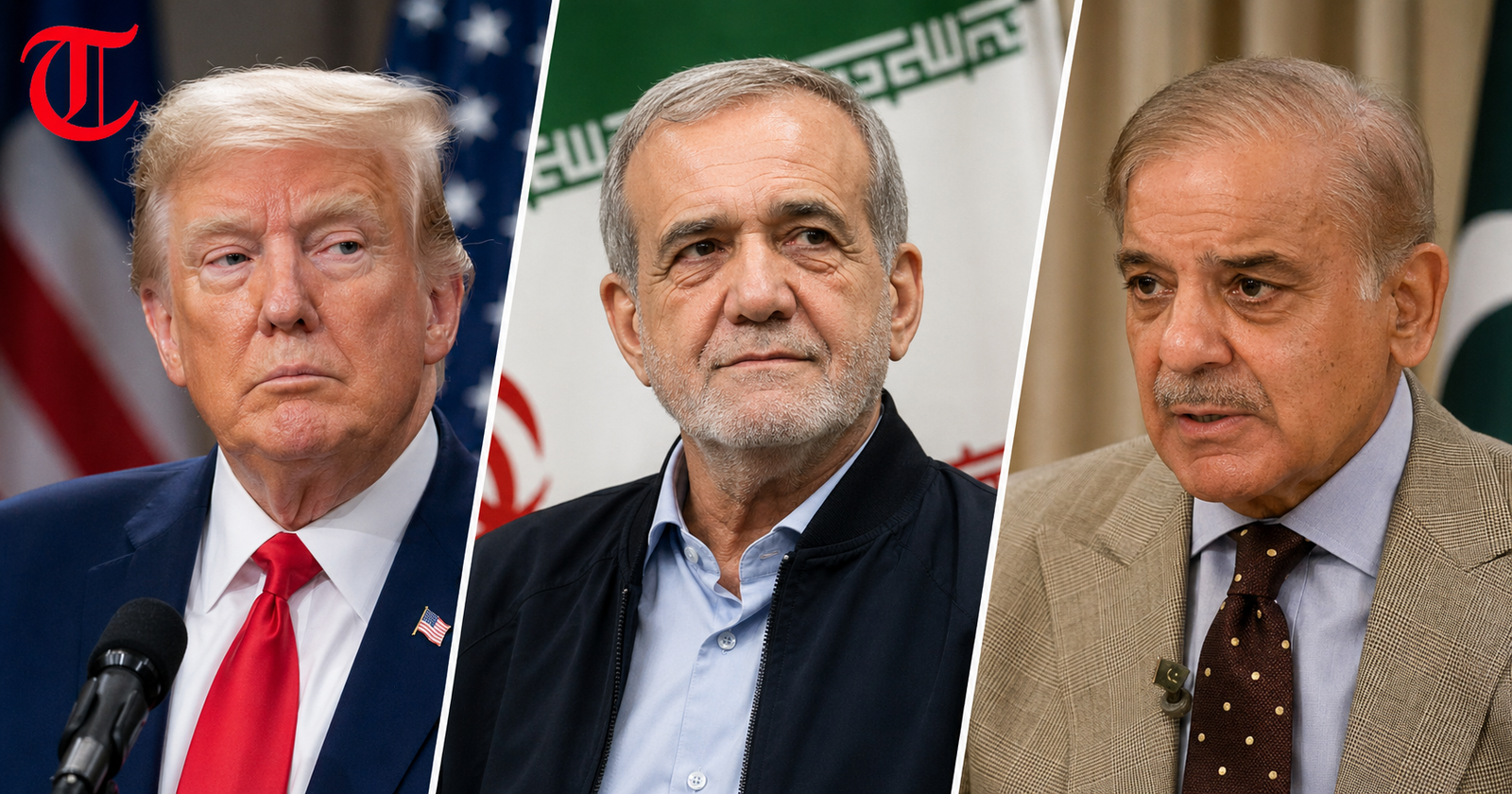
- Iran Peace Proposal And Diplomatic Deadlock: President Trump has rejected Iran’s latest proposal to decouple the war from nuclear negotiations, insisting that Tehran must agree to “zero enrichment” and the removal of nuclear materials before the U.S. lifts its military blockade.
- Strait of Hormuz Paralysis: Shipping traffic through the world’s most vital energy chokepoint has collapsed from 140 vessels daily to just seven, as the IRGC maintains control of the waterway while the U.S. Navy enforces a counter-blockade on Iranian ports.
- Economic Shockwaves: Global oil prices have surged for six consecutive days, with Brent crude hitting $108.23 per barrel; analysts warn this is the most significant disruption to world energy supplies since the 1970s.
- Fragile Ceasefire: Although a conditional ceasefire mediated by Pakistan remains technically in place, the U.S. has scrapped high-level diplomatic visits to Islamabad and is preparing a massive 2027 defense budget increase to sustain the conflict.
The global economy sits on a knife-edge as the two-month-old war between the United States and Iran enters a critical and increasingly volatile phase. U.S. President Donald Trump is unhappy with the latest Iranian proposal on resolving the conflict, a U.S. official said, dampening hopes for a resolution to a crisis that has disrupted energy supplies, fueled global inflation, and claimed thousands of lives since Operation Epic Fury began in February.
The Nuclear Stumbling Block
The crux of the current diplomatic deadlock lies in a fundamental disagreement over sequencing. Iran’s latest proposal, shuttled through Pakistani mediators, seeks to decouple the immediate military conflict from the long-standing nuclear dispute. Under Tehran’s plan, discussions regarding its nuclear program would be set aside until the war is ended and disputes over shipping in the Persian Gulf are resolved.
This approach is unlikely to satisfy the U.S., which maintains that nuclear disarmament is the “core issue” that must be addressed from the outset. A U.S. official, speaking on condition of anonymity following the President’s Monday meeting with advisers, noted that Trump was unhappy with the proposal for precisely this reason. White House spokeswoman Olivia Wales reinforced this stance, stating the U.S. “will not negotiate through the press” and remains firm on its established “red lines.”
Iran Peace Proposal And Pakistan’s Diplomatic Tightrope
The breakdown in momentum follows a weekend of high-stakes “shuttle diplomacy” in Islamabad. Hopes for a breakthrough receded after President Trump abruptly scrapped a planned visit by special envoy Steve Witkoff and Jared Kushner to the Pakistani capital.
Trump not happy with latest Iran proposal to end the war, US official says
This cancellation came even as Iranian Foreign Minister Abbas Araqchi visited Islamabad twice over the weekend to coordinate with Pakistani Prime Minister Shehbaz Sharif.
Araqchi has since turned to other global powers, visiting Oman and meeting with Russian President Vladimir Putin in St. Petersburg on Monday. While Putin offered words of support to his ally, the lack of a direct line to Washington continues to stall a lasting ceasefire. Trump, meanwhile, has adopted a characteristic posture of “maximalist” leverage, telling Fox News that if Tehran wants to talk, “they can come to us, or they can call us.”
Economic Fallout and the Strait of Hormuz
As diplomacy falters, the physical consequences are being felt at the pump and on the high seas. Oil prices resumed their upward march in early Asia trade on Tuesday, with Brent crude pushing toward $110 a barrel.
Inside the Trump Assassination Attempt That Turned a White House Gala Into Chaos
The primary driver is the effective closure of the Strait of Hormuz. In normal times, between 125 and 140 ships transit the waterway daily; currently, that number has plummeted to just seven. For the global market, the impact is even more severe: none of those seven ships were carrying oil.
- The U.S. Blockade: At least six tankers loaded with Iranian oil were recently forced back by a U.S. naval blockade.
- The Iranian Response: Tehran has condemned these seizures as “piracy and armed robbery,” offering to reopen the Strait only if the U.S. drops its military blockade of Iranian ports.
Domestic Pressure and Regional Complications
The war is taking a toll on Trump’s domestic standing as well. With approval ratings falling, the President faces mounting pressure to end a conflict for which he has provided shifting rationales—ranging from forestalling imminent threats to destroying Iran’s missile capabilities.
US Iran Ceasefire Extended as High-Stakes Islamabad Talks Signal Possible Breakthrough
Adding to the complexity is the “parallel war” in Lebanon. Hezbollah’s leadership has flatly rejected U.S.-brokered negotiations with Israel, casting doubt on a tenuous ceasefire there and further isolating the U.S.-Iran track.
In Washington, the focus is shifting toward the long-term cost. Secretary of State Marco Rubio remains adamant that any deal must “definitively prevent” a nuclear-armed Iran, while Defense Secretary Pete Hegseth and Gen. Dan Caine are currently meeting with lawmakers to discuss a massive increase in the 2027 defense budget to sustain the war effort. For now, the world remains caught in the heat of a conflict that shows no signs of cooling