



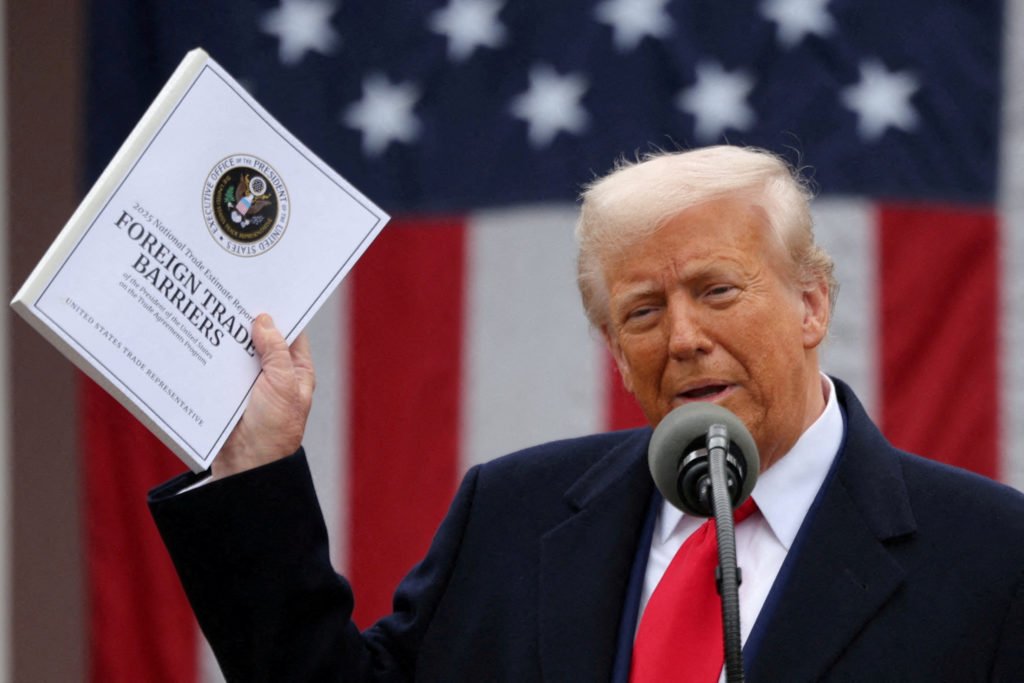
- Trump shocks Asia with surprise tariffs ranging from 25% to 100% on key imports, including furniture, trucks, and pharmaceuticals.
- Malaysia, Vietnam, and South Korea face major losses as industries tied to U.S. markets scramble for alternatives.
- Drugmakers rush to build U.S. factories to avoid levies, while generic producers warn of devastating price hikes.
- Analysts warn semiconductors could be Trump’s next target, a move that would shake the global tech supply chain.
President Trump’s latest tariffs sent shock waves throughout Asia, heaping additional turmoil on companies already grappling with uncertainty, while adding further complexity for trade officials ironing out the details of recently struck trade agreements. As the source of about 40 percent of goods imported into the United States, Asia has borne the brunt of Mr. Trump’s campaign to rewrite the rules of global trade. Trade officials across the region have scrambled to strike deals with his administration over the last several months to prevent punishing tariffs from crippling domestic industries.
On Thursday, the president dropped yet another thunderbolt: a sweeping package of tariffs, set to take effect October 1, that will target pharmaceuticals, heavy trucks, kitchen cabinets, bathroom vanities, and upholstered furniture. Some will face duties as high as 100 percent. For Asia’s exporters, especially in China, Vietnam, and Malaysia, this was not just another trade skirmish—it was a major escalation.
What makes the new measures striking is not only their breadth but also the manner in which they were announced. Just hours before, Trump’s own trade envoy in Kuala Lumpur had reassured Asian counterparts that Washington was not planning additional tariffs. By nightfall, the president had contradicted him on social media. This style of off-the-cuff policymaking has become a hallmark of Trump’s second term: bold, disruptive, and unmoored from the usual guardrails of diplomatic process. For allies and rivals alike, it has injected volatility into global markets, leaving negotiators unsure whether promises made in morning meetings will hold by evening.
The Calculus Behind Tariffs
Trump insists his tariffs are about “fairness” and “national security.” By invoking emergency laws such as Section 232, he frames the measures as a defense against foreign economic aggression. In practice, however, the policy serves multiple goals. It pressures countries like China and India to concede on broader trade disputes. It pushes multinational corporations to relocate production to the United States. And it signals to Trump’s political base that he is delivering on his promise to “bring jobs home.”
Yet the collateral damage is immense. Malaysia, which sends 60 percent of its furniture exports to the United States, fears orders will collapse. Vietnam worries about being penalized for “transshipments”—Chinese goods rerouted through its ports to dodge tariffs. South Korea, meanwhile, is locked in tense negotiations over a $350 billion investment pledge to satisfy Trump’s demands, wary that agreeing could destabilize its currency. Even Japan, America’s closest ally in Asia, has grudgingly accepted terms that effectively give Trump veto power over how it invests in U.S. projects.
For many in the region, the message is blunt: access to the U.S. market now comes with a hefty political price tag.
Pharmaceuticals in the Crosshairs
The inclusion of pharmaceuticals in the tariff package drew particular attention. America relies heavily on imported medicines, including generics from India and brand-name drugs manufactured in Europe. The prospect of higher levies on such essentials raised alarms about affordability and supply chain stability. Trump quickly clarified that exemptions would apply to companies already building factories in the U.S., a carrot designed to accelerate onshore production.
Big drugmakers like Merck, Eli Lilly, and Gilead have already announced new U.S. facilities, partly in anticipation of such pressure. But smaller firms without deep pockets may not be able to follow suit. Generic producers, whose margins are razor-thin, warn that tariffs could drive them out of the American market entirely. While India might benefit if generics remain exempt, the overall climate of uncertainty still hangs like a sword over the pharmaceutical industry.
The Semiconductor Question
Perhaps the most consequential—and ominous—hint came from analysts predicting that semiconductors could be Trump’s “next obvious target.” Asia dominates the semiconductor supply chain, with Taiwan, South Korea, and Malaysia all playing critical roles in chip fabrication, testing, and assembly. A blanket U.S. tariff on chips could send shockwaves through the global tech sector, affecting everything from smartphones to artificial intelligence systems.
If the administration proceeds down that road, it would not just be another trade dispute—it would be a direct strike at the backbone of the digital economy. The fallout would almost certainly spill into geopolitics, given Taiwan’s central role in chip production and the U.S. commitment to defend the island from Chinese aggression.
Domestic Repercussions
For American consumers, the tariffs are a double-edged sword. On one hand, Trump argues they protect U.S. jobs and reduce dependence on foreign supply chains. On the other, they raise costs for households and businesses. Furniture, kitchen cabinets, and bathroom vanities may seem like luxuries, but they are integral to the housing market. Higher input costs could slow construction and squeeze middle-class families already struggling with inflation.
Drug prices are an even more sensitive issue. If tariffs push up costs or trigger shortages, the political backlash could be fierce. Trump’s gamble is that voters will value the symbolism of toughness on trade over the tangible pain of higher prices. It is a risky calculation—especially in swing states where both manufacturing jobs and health care costs weigh heavily on electoral decisions.
A Gamble with Global Stakes
Ultimately, Trump’s tariff strategy is less about economics than about leverage. By keeping allies and adversaries guessing, he seeks to maximize bargaining power. But unpredictability cuts both ways. Asian governments are already hedging, deepening trade ties with Europe and exploring intra-regional agreements to reduce reliance on the U.S. market. If America is seen as too erratic a partner, it risks ceding long-term influence in the fastest-growing region of the world.
The Supreme Court’s upcoming ruling on Trump’s use of emergency economic powers could further complicate matters. A decision against the White House might invalidate large portions of his global tariff regime, forcing a retreat. For now, however, the president shows no signs of backing down.
Asia braces for the next wave. Multinational companies reassess supply chains. Consumers wonder what their next home renovation—or prescription refill—will cost. And the world waits to see whether Trump’s tariff tsunami will secure America’s economic future, or simply wash away the stability on which global trade depends.