


-
Turkey Ukraine Russia talks revived as Ankara signals readiness to host new negotiations
-
Ukraine welcomes diplomatic opening amid declining Western focus due to Iran crisis
-
Turkey reasserts its role as a neutral mediator with past success in conflict facilitation
-
Energy security and pipeline threats add urgency to renewed peace efforts
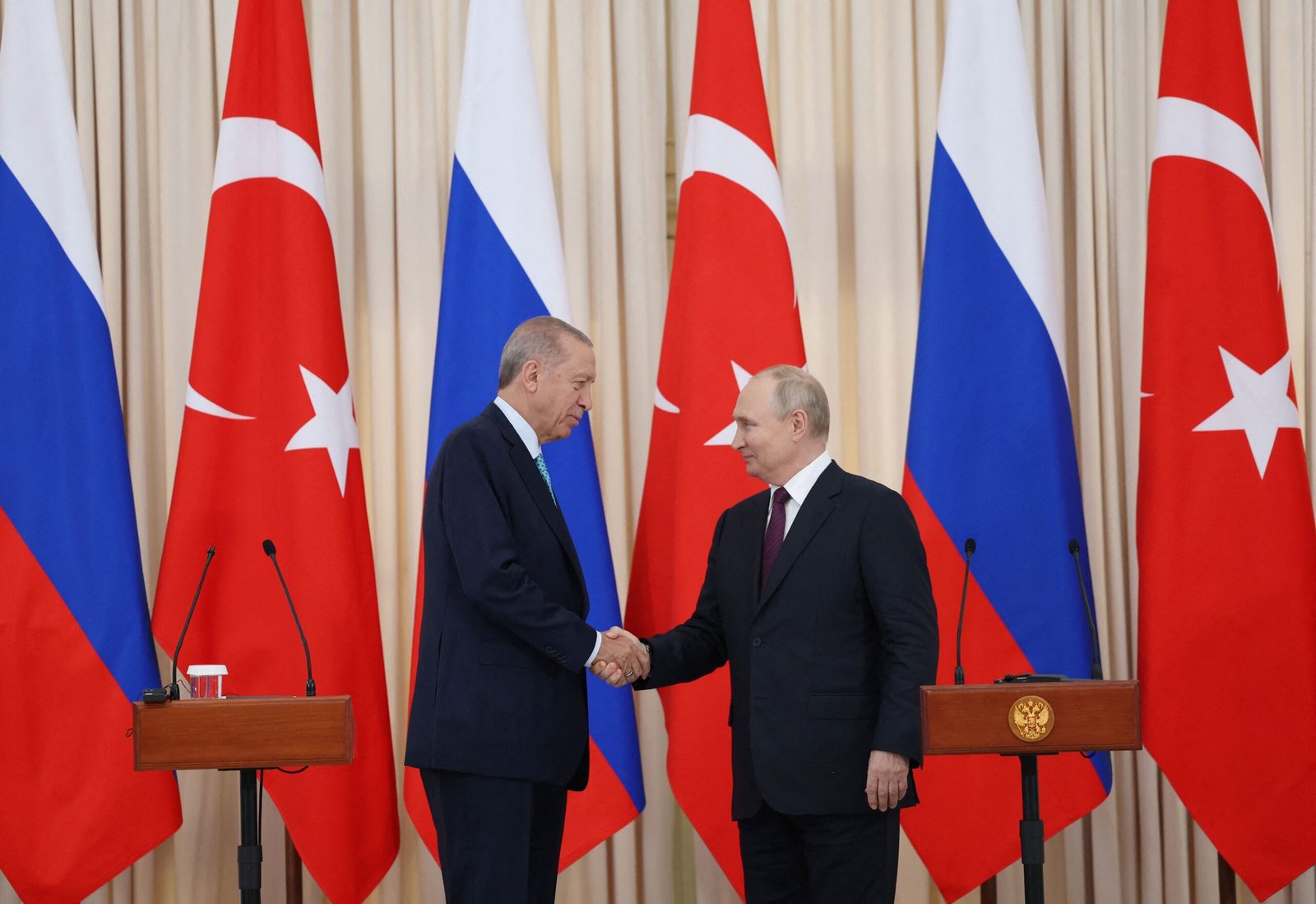
In a renewed diplomatic push to end one of Europe’s most destructive conflicts in decades, Hakan Fidan has reiterated that Turkey stands ready to host a new round of peace negotiations between Russia and Ukraine. The offer, conveyed during a phone call with Russian Foreign Minister Sergei Lavrov on Tuesday, signals Ankara’s continued ambition to act as a key mediator in a war that has reshaped global security dynamics.
According to Turkey’s foreign ministry, Fidan emphasized the growing risks posed by the prolonged conflict—not only for the immediate region but also for the broader international order. The call also covered energy security concerns, an increasingly critical issue as the war continues to disrupt supply chains and heighten geopolitical tensions.
Putin Iran War Advantage: How the Iran Conflict Quietly Turned the Ukraine War in Russia’s Favor
Turkey’s proposal comes at a crucial moment. Ukrainian President Volodymyr Zelenskyy recently indicated that Kyiv was waiting for clarity from the United States and Russia before advancing with further talks. His remarks underscored a sense of diplomatic paralysis, with Ukraine seeking stronger alignment among its Western allies before re-engaging Moscow at the negotiating table.
Against this backdrop, Ankara’s offer has been perceived in Kyiv as a welcome development—injecting fresh momentum into stalled peace efforts. Ukrainian officials, increasingly under pressure from battlefield realities and shifting global priorities, have signaled openness to renewed dialogue, particularly if mediated by a country with established channels to both sides.
Turkey ready to host next round of Russia-Ukraine talks, Fidan tells Lavrov
Turkey is not new to this role. Since the outbreak of the war in 2022, Ankara has repeatedly positioned itself as a neutral facilitator, hosting earlier rounds of talks and playing a pivotal role in brokering agreements such as the Black Sea grain initiative. Its unique geopolitical position—maintaining relations with both NATO allies and Russia—has enabled it to act as a rare bridge between the warring parties.
However, the latest diplomatic overture comes amid a rapidly evolving global landscape. The intensifying crisis involving Iran has increasingly consumed the attention of Washington and European capitals. As resources and political focus shift toward the Middle East, concerns have grown in Kyiv that Ukraine risks being sidelined at a critical juncture in the war.
For Zelenskyy, the stakes are particularly high. With Western military and financial support facing new constraints, and Russian forces maintaining pressure along multiple fronts, Ukraine is grappling with the prospect of a prolonged conflict without decisive external backing. Analysts suggest that this has fueled Kyiv’s renewed urgency to explore diplomatic avenues, even as it remains cautious about Russia’s intentions.
Meanwhile, Moscow has signaled its own concerns—particularly regarding energy infrastructure. Russia’s foreign ministry said the Fidan-Lavrov conversation included discussions on securing key gas pipelines, including the Blue Stream and TurkStream routes. These pipelines are vital for transporting Russian gas to Europe, and any disruption could have far-reaching economic consequences.
Russia recently claimed it had thwarted Ukrainian attempts to target gas pumping stations operated by Gazprom—a charge that underscores the growing intersection of military operations and energy security. Kyiv has not publicly confirmed these allegations, but the incidents highlight the fragility of critical infrastructure amid the ongoing war.
For Turkey, safeguarding these energy corridors is both a strategic and economic priority. As a key transit hub between East and West, Ankara has a vested interest in ensuring stability in the Black Sea region and beyond. Hosting peace talks would not only elevate Turkey’s diplomatic standing but also help mitigate risks to its own energy security.
Whether this latest initiative will translate into concrete negotiations remains uncertain. Previous rounds of talks have faltered over deep-seated disagreements, including territorial disputes and security guarantees. Yet, with the war dragging on and global attention increasingly divided, the appetite for a negotiated settlement may be growing on all sides.
As diplomatic channels cautiously reopen, Turkey’s offer represents a rare glimmer of possibility in an otherwise entrenched conflict—one where the costs of continued war are becoming ever harder to ignore.