



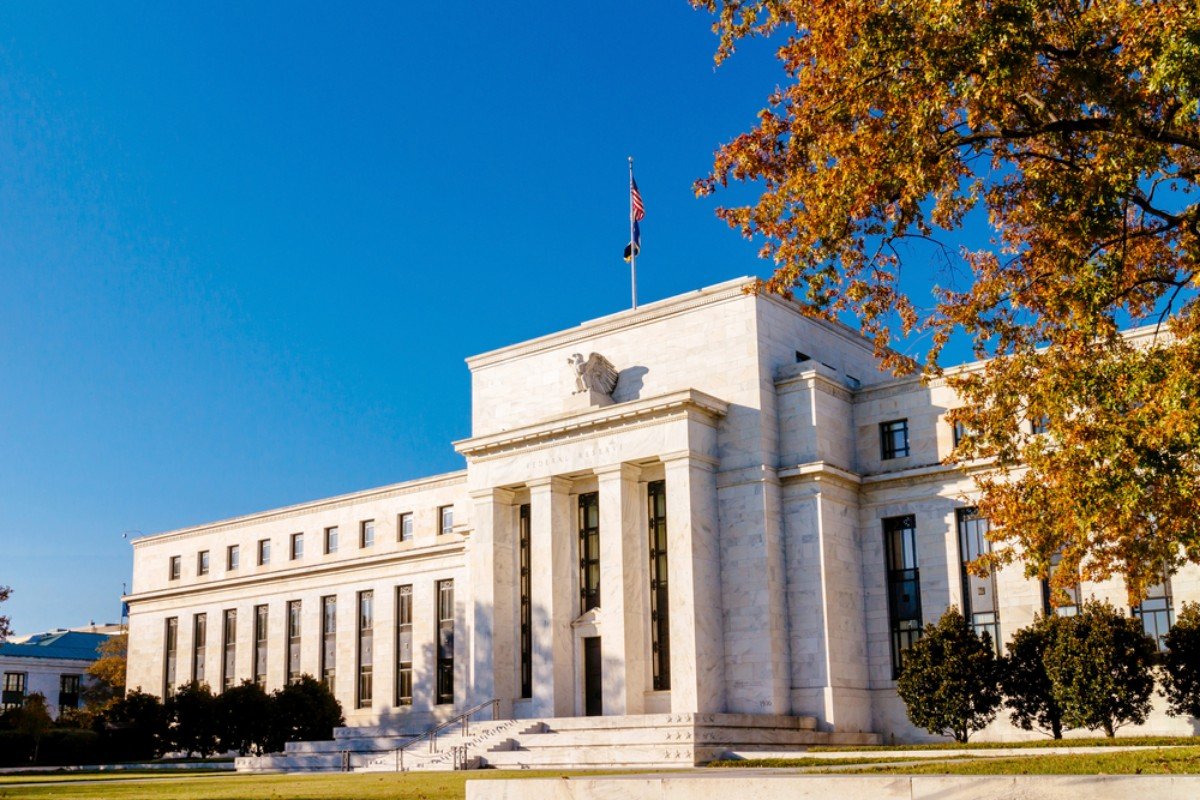
- U.S. Banks face strategic divestment from Danish and Dutch pension funds seeking “digital sovereignty.”
- Middle Eastern investments from Saudi Arabia and Qatar are pouring trillions into the American economy.
- President Trump warns of retaliation against allies attempting to weaponize U.S. debt.
- The shift toward “America First” economics prioritizes high-growth tech and defense over traditional alliances.
Recent headlines about European pension funds divesting from the United States have sparked a wave of speculation about a “global divorce.” While the numbers are significant, they tell a story of a shifting, transactional world—one where President Trump has made it clear that America is moving forward with or without the approval of its traditional allies.
The Divestment Wave: Symbolic or Substantial?
This week, the financial world was jolted by news that several major European institutions are reducing their exposure to U.S. debt. AkademikerPension, a Danish fund, announced it was selling its entire $100 million portfolio of U.S. Treasuries, citing concerns over the sustainability of American federal debt. More significantly, the Dutch giant ABP, Europe’s largest pension fund, reportedly saw the value of its U.S. bond holdings drop by €10 billion (roughly $11.7 billion) between March and September 2025.
Parallel to this financial shift is a movement toward “digital sovereignty.” In the Netherlands and Germany, there is an increasing push to swap American tech staples like Microsoft Windows for open-source alternatives like Linux and to move data away from U.S.-based cloud providers. For these nations, the goal is resilience; they want to ensure that a sudden change in Washington’s policy cannot “turn off” their digital infrastructure overnight.
The “America First” Reality: Why Trump is Unfazed
To the critics, these moves look like a sinking ship. But to the Trump administration, they are mere ripples in a massive ocean. The White House response has been characteristically blunt: Treasury Secretary Scott Bessent dismissed the Danish divestment as “irrelevant,” noting that $100 million is a drop in the bucket of a $30 trillion market.
The central truth of the current administration’s strategy is that Donald Trump cannot be blackmailed by these tactics. While some European funds sell off millions, the President has already secured commitments worth trillions from more stable and eager partners:
-
Saudi Arabia: A pledged $600 billion investment package covering everything from AI data centers to defense.
-
Qatar: A massive $1.2 trillion economic exchange agreement.
-
UAE: An “accelerated” commitment for $1.4 trillion in technology investments over the next decade.
These are not just promises; they are the bedrock of a new, multipolar economic strategy. President Trump has repeatedly stated that the U.S. “holds all the cards.” If allies want to exit, he argues, they are simply walking away from the world’s most lucrative market—one that is currently being supercharged by the AI boom and deregulation.
The Strategy: Strength Over Consensus
The administration’s plan to “Make America Great Again” is not dependent on the approval of European bureaucrats. By securing trillions in capital from the Middle East and focusing on internal domestic growth, the U.S. is building a “fortress economy.”
While critics warn of a “fiscal death spiral” if the dollar drops, the Trump administration views the dollar’s role as a tool of leverage, not a hostage to foreign sentiment. The President has already warned of “major retaliation” against any nation that coordinated a mass sell-off of American assets. In this new era, the U.S. isn’t seeking to be the “adult in the room”—it’s seeking to be the strongest player at the table.
“Friends can have disputes while still remaining friends. While true, friendship cannot survive without mutual respect, and it is increasingly clear that none remains on the U.S. side. President Trump’s recent dismissive comments regarding NATO soldiers in Afghanistan are simply the latest evidence of this fracture,” a Stephen Johnson, Washington based analyst said.
” While America shouldered the primary costs of the post-WWII order, it was never a one-way street. In return, Europe purchased $2.3 trillion in U.S. debt, provided the lion’s share of the market for American tech and weaponry, and sent tens of thousands of its brightest students to U.S. universities,” he added.
The events of the last few weeks have made it clear to everyone on this side of the Atlantic: the current Administration views us as vassals, not allies.