


- U.S. Pressure on Venezuela: The U.S. seized its first Venezuelan oil tanker under sanctions, signaling a new escalation.
- Sanctions now target Maduro’s family empire, including nephews linked to PDVSA and banking networks.
- Further maritime interdictions of Venezuela’s shadow fleet are planned to disrupt oil exports.
- Maduro maintains ties with Putin, leaving global observers questioning whether Russia will intervene.
The United States has sharply escalated pressure on Venezuelan President Nicolás Maduro, signaling a multi-pronged strategy aimed at crippling his government’s financial lifelines. This week’s high-profile seizure of a Venezuelan oil tanker, the Skipper, marked the first interdiction of Venezuelan crude under U.S. sanctions in force since 2019, and analysts warn it may be only the beginning of a broader crackdown.
According to multiple sources familiar with U.S. operations, Washington is preparing to intercept additional tankers transporting Venezuelan oil, including shipments intertwined with Iranian crude. The U.S. has also imposed sanctions targeting Maduro’s family empire, stretching from the state oil conglomerate PDVSA to real estate and banking networks controlled by relatives of First Lady Cilia Flores. Three nephews, long known to U.S. authorities for alleged narco-trafficking and corruption, were among the latest sanctioned individuals.
These coordinated measures come alongside a significant U.S. military buildup in the southern Caribbean. White House spokeswoman Karoline Leavitt emphasized that Washington will continue executing sanctions policies to prevent proceeds from “black market oil” from funding what the U.S. calls narco-terrorist regimes. While Caracas decries the tanker seizure as “theft” and “international piracy,” legal experts note that under international law, the interdiction is sanctioned, marking a new chapter in U.S.-Venezuelan tensions.
READ MORE: Putin calls Maduro, Lukashenko meets Venezuela envoy as Trump cranks up pressure
The operation has already created ripple effects across global shipping. Operators of Venezuela’s so-called “shadow fleet”—vessels with opaque ownership and often substandard insurance that transport sanctioned crude primarily to China—are rethinking voyages, delaying shipments, or canceling them outright. The Skipper’s seizure alone temporarily suspended almost six million barrels of Venezuela’s flagship Merey crude from reaching Asia, highlighting how U.S. actions could tighten financial constraints on Maduro’s government.
Experts suggest the pressure is designed to hit Venezuela’s most vulnerable points: revenue from oil exports and access to international finance. Francisco Monaldi of Rice University’s Baker Institute observes that even without additional seizures, shipping risks have surged, forcing wider discounts for Venezuelan oil and jeopardizing volumes. David Goldwyn, former U.S. energy diplomat, calls the tactic “powerful intimidation,” aimed at deterring tanker owners from engaging with sanctioned oil altogether.
ALSO READ: Trump Venezuela Patience: Why the U.S. President Is Holding Fire on Maduro
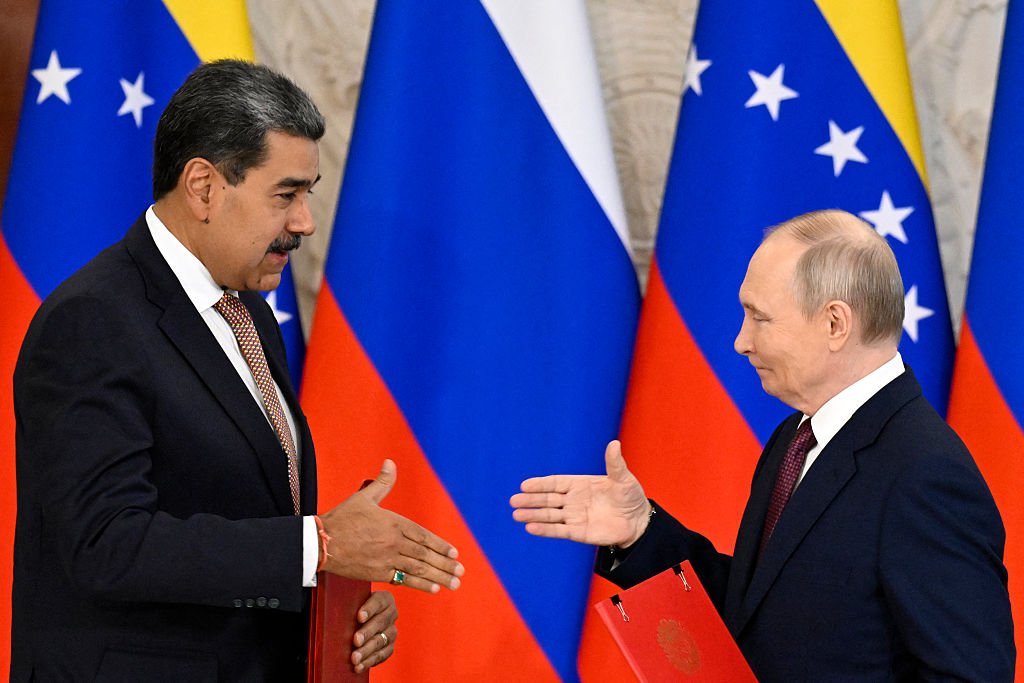
Yet the geopolitical dimension complicates the outlook. Maduro maintains constant communication with Russian President Vladimir Putin, raising the million-dollar question: will Moscow intervene to stabilize his regime? While Russia has long backed Venezuela diplomatically and economically, the combination of U.S. naval presence, sanctions on tankers, and targeting of the Maduro family empire could strain Caracas beyond Moscow’s capacity—or willingness—to shield it.
The U.S. campaign comes as global markets face multiple pressures—from the recent surge in interest around Epic Games and the gaming industry highlighted at the Game Awards 2025, to fluctuations in commodities linked to geopolitical risks. Investors watching energy markets are reminded of the volatility often associated with external shocks, much like the unexpected outcomes in sports, including Falcons vs Buccaneers and Celtic vs Roma, where strategic plays determine success under high stakes.
With energy markets closely monitoring, the seizure has already nudged Brent crude higher, underscoring concerns about Venezuelan supply disruptions. Analysts warn that unless Venezuela finds alternative buyers or navigates sanctions creatively, the U.S. pressure could gradually erode Maduro’s grip on power, forcing him toward concessions—or risking collapse.
In essence, the U.S. is escalating a strategic squeeze, combining maritime interdictions, financial sanctions, and public signaling of potential intervention. How Maduro navigates these pressures—and whether Putin steps in—remains the central uncertainty in a standoff that could reshape Venezuela’s political and economic landscape, leaving the world to watch developments as closely as a gripping season of Expedition 33.