


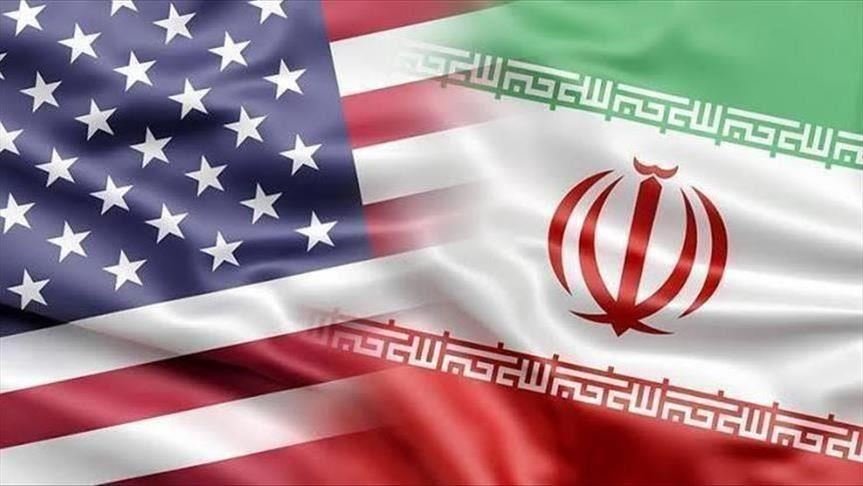
- UN Headquarters Agreement Violated: The US blocked senior Russian and Iranian diplomats from attending a high-level Security Council meeting in New York.
- Legal experts argue this is a direct breach of the UN Headquarters Agreement established in 1947.
- The incident highlights the growing tension between host country laws and international treaty obligations.
- Global leaders warn that selective application of UN rules undermines the credibility of the Security Council.
The United Nations’ debate on multilateralism faced an immediate practical challenge this week after the United States declined to grant entry visas to senior diplomats from Tehran and Moscow.
The absence of Iranian Foreign Minister Abbas Araghchi and Russian Deputy Foreign Minister Alexander Alimov transformed a high-level Security Council session into a legal and diplomatic flashpoint. While the meeting was intended to address the “erosion of UN principles,” the empty chairs of two key member states became the most visible evidence of that very erosion.
This diplomatic friction occurs against a backdrop of intensifying global fragmentation. As China took the rotating presidency of the Security Council for May 2026, it sought to champion a “return to the UN Charter.” Instead, the session highlighted a growing trend where the physical location of the UN—the United States—is becoming a hurdle for the very inclusivity the organization was founded to protect.
UN Headquarters Agreement: The Center of the Dispute
Russian Ambassador Vassily Nebenzia and Iranian spokespeople have characterized the move as a flagrant violation of the 1947 UN Headquarters Agreement. This treaty is the bedrock of the UN’s presence in New York. It mandates that the U.S., as the host nation, must provide access to UN headquarters for all member state officials, regardless of bilateral diplomatic tensions.
“We view this not just as a breach by Washington of its obligations under the United Nations Headquarters Agreement… but also as an egregious instance of disrespect for the Chinese presidency of the Security Council,” stated Nebenzia.
Section 11 of the 1947 Agreement specifically states that federal, state, or local authorities of the United States “shall not impose any impediments to transit to or from the headquarters district” for representatives of members. By utilizing domestic visa policies to restrict participation, critics argue Washington is effectively “gatekeeping” international law.
Analysis: The Cost of Selective Diplomacy
The visa denials have sent ripples through the international community, particularly among nations of the Global South. The tactical use of “visa power” to curate the list of speakers at the Security Council undermines the UN’s role as an inclusive forum.
-
Dialogue Lost: The denial prevented a potential direct interaction between U.S. and Iranian officials during a period of high tension regarding the Strait of Hormuz and Iran’s nuclear-enrichment program. In diplomacy, silence is rarely a solution; by removing the physical presence of Araghchi, a channel for de-escalation was closed.
-
Systemic Strain: UN Secretary-General António Guterres described a multilateral system in crisis. He warned that the world is burdened by a “proliferation of armed conflicts” and that the “selective application of international law” is a primary driver of instability.
-
Eroding Neutrality: UN Deputy Spokesperson Farhan Haq noted that these occurrences are becoming more frequent. If New York is no longer perceived as neutral ground, calls for relocating the UN headquarters—historically a fringe idea—may gain traction among the 134 nations of the G77.
Global Perspectives
The reaction from other member states was swift. Pakistan’s Deputy Prime Minister Ishaq Dar noted that the credibility of the Council is eroded when powerful states act outside the law. Similarly, Indonesia’s Foreign Minister Sugiono emphasized that history will judge the Council not by its speeches, but by its actions in protecting the Charter.
| Official | Position | Stance |
| Wang Yi | Chinese Foreign Minister | Called for “reinvigorating” the Charter and ending double standards. |
| António Guterres | UN Secretary-General | Warned of “new and uncharted risks” to global peace. |
| Michael DeSombre | US Asst. Secretary of State | Defended US actions as prioritizing “results over hollow words.” |
The meeting concluded with a call from Wang Yi for major powers to “lead by example” in following the rule of law. As the “dark clouds of war” gather, the ability of the UN to function as a bridge between rivals remains its most vital—and currently most threatened—feature.