



Executive Overview
-
US-Iran war escalation reaches critical threshold: Direct military confrontation between Washington and Tehran intensified rapidly following the collapse of the mid-June 2026 Memorandum of Understanding (MoU), closing commercial shipping lanes and triggering widespread tactical exchanges across the Persian Gulf.
-
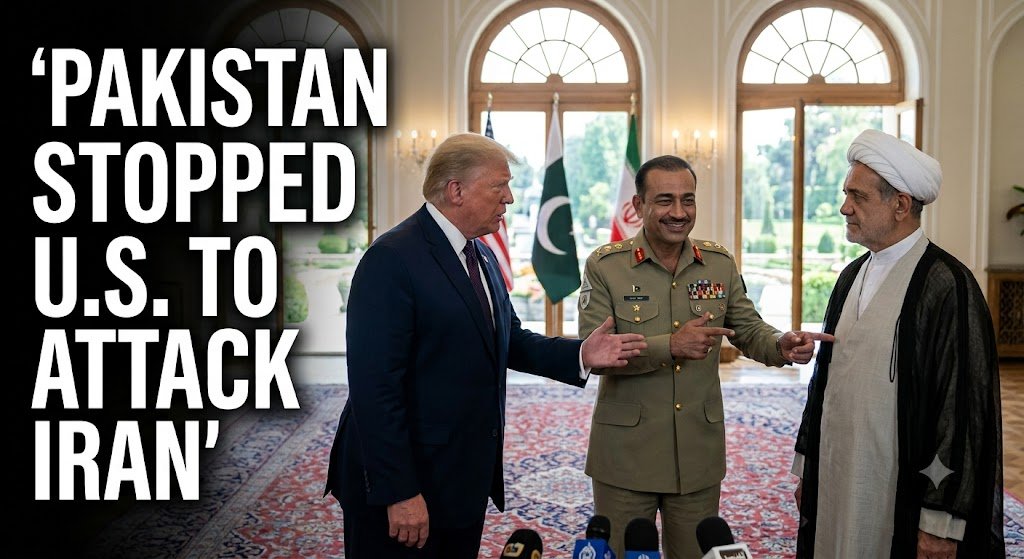
Eleventh-hour diplomatic intervention: High-level backchannel communications originating from military and diplomatic channels in Islamabad averted major strategic bombardments against Iranian targets minutes before U.S. strike packages were slated for launch.
-
Strait of Hormuz maritime security: The restoration of commercial traffic through the Persian Gulf remains the central prerequisite for stabilizing international energy markets and regional supply chains.
-
Strategic forecasting for global leadership: Future regional stability relies on transforming emergency backchannel de-escalation into a structured, verifiable geopolitical framework.
Key Highlights & Geopolitical Context
1. US-Iran War: The Backchannel Breakthrough
Minutes before American military assets were executed on Saturday night, confidential cables and strategic intelligence routed through Islamabad compelled President Donald J. Trump to order a conditional pause. The intervention presented concrete operational assessments demonstrating that a direct campaign would permanently eliminate negotiating partners capable of enforcing a cease-fire.
READ MORE: US General Dropped Bombshell! US Can Not Protect Israel From Iran’s Missiles
2. The De-escalation Mandate
President Trump publicly acknowledged the pause via Truth Social, stating that the strikes were halted following urgent requests from Middle Eastern stakeholders to return to negotiations. The preliminary parameters focus on reopening the Strait of Hormuz to commercial traffic while curbing nuclear proliferation risks.
3. Regional Conflict Metrics
Prior to the eleventh-hour suspension, the conflict expanded rapidly across secondary theaters. Iranian drone volleys targeted military installations in Kuwait, maritime traffic was disrupted at Egypt’s Damietta Port, and proxy forces engaged targets along the Saudi-Iraqi frontier.
4. Economic & Transit Pressures
The operational halt in the Strait of Hormuz—traditionally handling roughly 20% of global petroleum and liquid natural gas (LNG) flow—forces defense analysts and state leaders to prioritize permanent maritime transit guarantees over temporary tactical pauses.
READ MORE: Trump Calls Off Planned Attack on Iran, Citing Diplomatic Progress
Chronology of US-Iran War Escalation & Mediation
Conflict Indicators & Data Points
| Metric / Indicator | Operational Status & Impact | Strategic Implications |
| Global Energy Transit | ~20% of global crude and LNG restricted in Hormuz | Heightened energy risk premiums and shipping insurance inflation |
| Regional Secondary Zones | Kuwait, Red Sea, Damietta Port (Egypt), Iraqi frontier | Broad spillover impacting Arab Gulf security and aviation hubs |
| Force Mobilization | Full US Carrier Strike Group deployment & allied air defenses | High tactical readiness; potential for rapid multi-axis engagement |
| Diplomatic Conduit | Tri-lateral backchannels active via Islamabad | Primary mechanism preventing miscalculation and systemic war |
The Architecture of Mediation
The intervention highlights the pivotal role played by non-aligned regional powers with functional access to both Washington and Tehran. Islamabad’s high-level emergency communications provided an objective operational bridge, mitigating systemic risk during an acute escalation phase.
+-----------------------------------------------------------------------------------+
|                        ISLAMABAD MEDIATION ARCHITECTURE                           |
+-----------------------------------------------------------------------------------+
|                                                                                   |
|    +-----------------+        High-Level Emergency Bridge       +--------------+  |
|    |  United States  | <-------------------------------------> |  Iran (IRGC) |  |
|    +-----------------+                                         +--------------+  |
|             \                                                         /           |
|              \              +---------------------------+            /            |
|               +-----------> |  Islamabad Backchannel    | <---------+             |
|                             +---------------------------+                         |
|                                           |                                       |
|                                           v                                       |
|                             +---------------------------+                         |
|                             | 15-Point Peace Framework  |                         |
|                             +---------------------------+                         |
+-----------------------------------------------------------------------------------+
Strategic Analysis: National Calculuses
United States: Maximum Coercion vs. Strategic Flexibility
Washington balances offensive readiness against global economic instability. While U.S. air and naval forces maintain tactical dominance, an extended campaign risks severe trade disruptions, strains Gulf partnerships, and creates an open-ended attrition scenario.
Iran: Asymmetric Deterrence and Maritime Control
Tehran views its presence around the Strait of Hormuz as a key counterweight to Western sanctions and air strikes. Iranian military doctrine accepts localized tactical pressure to maintain regional leverage and deter existential strikes.
Regional & Global Stakeholders
Gulf economies face severe operational costs from disrupted maritime routes, flight cancellations, and insurance spikes. Concurrently, international powers like Beijing and Moscow closely evaluate the crisis’s impact on global energy corridors and regional power distribution.
Strategic Forecasting: Post-Intervention Horizon
| Scenario | Mechanism | Strategic & Global Impact | Probability |
| Scenario A: The Islamabad Protocol | Formal adoption of a mediated 15-point framework | Full reopening of maritime choke points, structured nuclear negotiations, and normalized transit | 35% |
| Scenario B: Fragile Ceasefire (Base Case) | Unwritten pauses punctuated by minor maritime incidents | Restricted Hormuz traffic, persistent energy market volatility, and continuous backchannel management | 50% |
| Scenario C: Unrestricted Conflict | Miscalculation or proxy attack triggers total engagement | Complete maritime blockade, severe energy supply shocks, and multi-theater conventional warfare | 15% |
Strategic Recommendations for International Leadership
-
Formalize Backchannel Architecture: Institutionalize emergency communication channels operating through Islamabad, Ankara, and Cairo to mitigate tactical miscalculations.
-
Isolate Maritime Transit Rights: Separate commercial freedom of navigation in the Strait of Hormuz from broader political and nuclear negotiations to stabilize world energy markets.
-
Establish Verification Protocols: Incorporate objective, third-party monitoring mechanisms to ensure adherence to cease-fire terms and prevent rapid re-escalation cycles.