



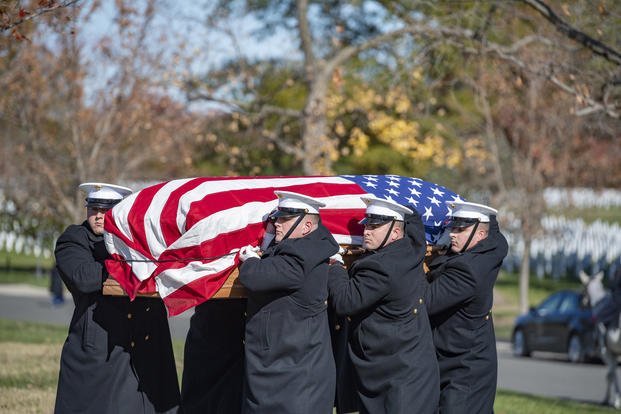
- US service members killed Iran attack marks first American combat fatalities in the ongoing U.S.–Israel campaign.
- Trump confirms planned communication with Iran’s transitional leadership amid continued airstrikes.
- Iranian missile retaliation spreads across Israel and multiple Gulf states, targeting ports and infrastructure.
- Washington faces growing domestic and strategic debate over war authorization and long-term regional stability.
Three United States service members have been killed and at least five others seriously wounded in an Iranian retaliatory attack, marking the first confirmed American combat fatalities since Washington and Israel launched their unprecedented joint military campaign against Iran — a conflict now rapidly reshaping Middle Eastern security architecture and global strategic calculations.
U.S. Central Command confirmed Sunday morning that the troops were killed in action during Iranian strikes targeting American positions in the wider Persian Gulf theater. Several additional personnel sustained minor shrapnel wounds and concussion-related injuries, underscoring the widening operational risks facing U.S. forces as hostilities intensify following the assassination of Iran’s Supreme Leader Ayatollah Ali Khamenei.
The casualties represent a critical escalation point in what analysts increasingly describe as the most dangerous U.S.–Iran confrontation in decades, raising fears inside Western intelligence circles of a prolonged regional war involving multiple state and non-state actors.
Escalation Across the Middle East
The deaths occurred amid sustained cross-regional strikes launched by Iran after Israeli forces carried out a high-precision attack in Tehran that killed Khamenei and dozens of senior Iranian officials. Israeli military officials said a fresh wave of air operations struck targets “in the heart of Tehran” on Sunday, while Iran responded with missile attacks across Israel and several Gulf states.
U.S. Joins Israel in Attack on Iran: Global Security Faces Historic Escalation
Israeli emergency authorities reported that at least nine people were killed near Jerusalem and 28 injured following Iranian missile strikes. Meanwhile, Iranian state media, citing the Iranian Red Crescent Society, claimed that 201 people had been killed and 747 injured inside Iran since the start of the campaign — figures that remain independently unverified.
Missile and drone attacks have now been reported across at least eight Arab countries, including the United Arab Emirates, Bahrain, Kuwait, Saudi Arabia, Iraq, Jordan, Oman, and Qatar. Verified visuals indicate strikes targeting key port infrastructure, suggesting Tehran may be attempting to disrupt maritime trade routes and energy logistics throughout the Persian Gulf.
3 U.S. service members killed in Iran operation, military says; Tehran vows to avenge Khamenei
Security officials warn that the geographic spread of attacks signals Iran’s shift toward a regional deterrence strategy aimed at raising economic and military costs for U.S. allies.
Trump Signals Diplomatic Channel Despite Ongoing War
Amid the escalating violence, President Donald Trump indicated that diplomatic engagement with Iran’s new leadership may be imminent — an unexpected development that could open a parallel political track even as military operations continue.
“They want to talk, and I have agreed to talk, so I will be talking to them,” Trump said in an interview Sunday, confirming plans for direct communication with Tehran’s transitional authorities.
Trump added that negotiations could have prevented the conflict if Iranian leaders had acted earlier. “They should have done it sooner. They waited too long,” he said.
According to senior administration officials, Washington believes internal power shifts inside Iran following Khamenei’s death may create an opportunity to compel concessions on Tehran’s nuclear program, missile capabilities, and regional proxy networks.
However, the diplomatic outreach comes as Trump simultaneously vowed that “heavy and pinpoint bombing” would continue “throughout the week or as long as necessary,” signaling a dual-track strategy combining military pressure with negotiation — a model reminiscent of coercive diplomacy frameworks used in past U.S. conflicts.
Political Fallout in Washington
The first American fatalities have intensified debate inside Washington over congressional authorization and war objectives.
Senator Mark Kelly (D-Arizona), speaking on NBC’s Meet the Press, said he was unlikely to support further military authorization at this stage, criticizing the administration for failing to consult Congress prior to launching strikes.
“They went into this without any discussion with us ahead of time,” Kelly said, while adding that Khamenei’s death removed a long-standing adversary of the United States.
The emerging domestic debate could shape the sustainability of U.S. military operations if casualties continue to rise.
What We Know So Far
Leadership Vacuum in Iran
Iran has entered a transitional political phase following the assassination of Ayatollah Ali Khamenei in an Israeli airstrike targeting a high-level security meeting in Tehran. Iranian state news agency IRNA reports that President Masoud Pezeshkian, judiciary chief Gholam-Hossein Mohseni-Ejei, and a Guardian Council jurist are collectively overseeing state affairs.
Decapitation Strike
Israeli sources say intelligence confirmed Khamenei’s presence at a meeting of senior officials. The strike reportedly killed approximately 40 high-ranking Iranian leaders across two coordinated locations within minutes — one of the most consequential leadership decapitation operations in modern warfare.
U.S.–Israel Strategic Coordination
A senior U.S. administration official said intelligence indicators suggested Iran was preparing imminent attacks on American assets overseas, influencing Washington’s decision to participate in the operation after weeks of lobbying by Israel and Saudi Arabia.
Regional Missile Campaign
Iran has launched retaliatory attacks across Israel and Gulf states, targeting military facilities, ports, and energy-linked infrastructure. Analysts believe Tehran aims to internationalize the conflict to deter further strikes.
Civilian Casualties Rising
Israeli and Iranian casualty figures continue to climb, though independent verification remains limited amid communication disruptions and wartime information controls.
Strategic Outlook
For policymakers, intelligence chiefs, and global markets, the deaths of U.S. service members mark a turning point: the conflict has moved beyond strategic signaling into direct American casualties — historically a threshold that reshapes U.S. military posture and domestic political tolerance for war.
Whether Trump’s planned talks with Iran’s interim leadership signal an off-ramp or merely a tactical pause remains unclear. Intelligence assessments circulating among Western allies suggest Iran’s fractured leadership structure may both increase negotiation openings and heighten the risk of miscalculation by competing power centers inside Tehran.
With strikes continuing, regional air defenses on maximum alert, and global energy markets reacting nervously, the coming days may determine whether the crisis evolves into controlled escalation — or a broader Middle East war with lasting geopolitical consequences.