



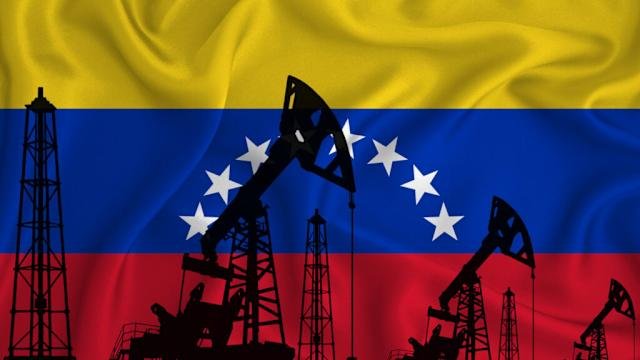
- Venezuela oil companies face a total overhaul as the U.S. moves to replace Chinese and Russian influence with American investment.
- Interim President Delcy Rodríguez offers a “cooperation agenda” to avoid further military strikes.
- Donald Trump asserts the U.S. is “in charge,” demanding total access to the world’s largest oil reserves.
- The removal of China, Russia, and India paves the way for a new era of American energy dominance in the region.
In the rapidly shifting landscape of South American geopolitics, a new era has dawned in Caracas—one defined not by the rhetoric of the Bolivarian Revolution, but by the overwhelming pressure of Washington’s “America First” doctrine. Following the dramatic capture of Nicolás Maduro by U.S. forces, Venezuela’s interim government, now led by Delcy Rodríguez, has begun signaling a profound shift toward cooperation with the United States.
This pivot is widely viewed by analysts as a strategic retreat to avoid the “wrath” of President Donald Trump, whose aggressive tactics have effectively dismantled the influence of global competitors like China, Russia, and India in the region, clearing a path for the return of American oil giants.
Venezuela oil companies: The Yielding of the Interim Government
The atmosphere in Caracas has shifted from defiance to pragmatic survival. While interim President Delcy Rodríguez initially maintained a loyalist stance, her recent communications have taken a markedly conciliatory tone. In a series of high-stakes diplomatic overtures, Rodríguez invited the U.S. government to collaborate on a “cooperation agenda” focused on shared development.
Maduro captured in daring U.S. Delta Force raid on Miraflores Palace: What Next?
While she has not publicly detailed the specifics of this cooperation to her domestic base, sources close to the administration suggest she is moving to meet Trump’s demands for “total access” to the country’s infrastructure. This quiet compliance follows a direct warning from Trump, who stated that if the interim government did not “behave,” they would face a “second strike” even more devastating than the operation that removed Maduro.
Capture of Maduro Signals a New Era of Global Interventionism
Trump’s Geopolitical Clearance: Removing China, Russia, and India
The most significant outcome of Trump’s “oil quarantine” and military pressure has been the systematic exclusion of extra-hemispheric powers.6 For years, Venezuela served as a strategic outpost for:
- China: Which held tens of billions in oil-for-loan deals.
- Russia: Which provided military backing and a financial lifeline through Rosneft.
- India: A major buyer that helped Maduro bypass previous sanctions.
By asserting that the U.S. is now “in charge,” Trump has effectively “kicked out” these players. The administration’s aggressive naval blockades and the threat of secondary sanctions have made it impossible for Beijing or Moscow to maintain their previous foothold. T
Trump bets on intimidation to force Venezuelan leaders into line
his “clearing of the deck” ensures that the Western Hemisphere remains under U.S. strategic predominance, fulfilling a core tenet of the current administration’s National Security Strategy.
The Prize: Venezuela’s Oil Infrastructure
With the competition sidelined, the focus has shifted entirely to the world’s largest proven oil reserves. President Trump has been vocal about his intent to “get the oil flowing,” claiming that Venezuela’s socialist regime “stole” the industry from the U.S. decades ago.
| Stakeholder | Role in the New Strategy |
| U.S. Oil Companies | Expected to modernize “rotted” infrastructure and manage production. |
| Interim Government | Providing “total access” to fields and pipelines in exchange for stability. |
| U.S. Treasury | Managing the “oil quarantine” to ensure revenue flows toward U.S. interests. |
A New Economic Order
The strategy of “maximum pressure” has produced tangible results that few predicted. By leveraging the threat of military force and a total economic blockade, the Trump administration has forced the interim Venezuelan leadership to choose between cooperation and total collapse. As American oil companies prepare to return to the Orinoco Belt, the geopolitical map of South America is being redrawn with Washington firmly at the center.