



- Will Trump attack Iran becomes the defining geopolitical question ahead of March 2 negotiations
- Iran shows limited cooperation but rejects zero-enrichment demand
- Embassy withdrawals and global travel warnings signal rising war fears
- Oman mediators remain hopeful despite deep mistrust between Washington and Tehran
The world is moving toward a date heavy with dread, uncertainty, and geopolitical suspense. Monday, March 2, 2026, is rapidly emerging as a decisive moment that could determine whether diplomacy survives—or whether the United States launches military action against Iran. Across capitals from Washington to Tehran, policymakers, diplomats, and military commanders are preparing for outcomes that range from a fragile agreement to a confrontation capable of reshaping the Middle East for years.
The question echoing through diplomatic corridors and global markets alike is simple yet terrifying: will Trump attack Iran?
Will Trump Attack Iran: A Negotiation on the Brink
Recent nuclear negotiations between Washington and Tehran have produced signals that are both hopeful and deeply unsettling. Mediated by Oman, the talks have made what officials describe as “substantial progress,” yet they remain trapped in a web of mistrust and incompatible demands.
Iran has indicated a willingness to cooperate in several critical areas. According to mediators, Tehran has agreed in principle to measures that would prevent the accumulation of nuclear material capable of producing a bomb. Proposals include converting enriched uranium into irreversible nuclear fuel and allowing expanded international inspections.
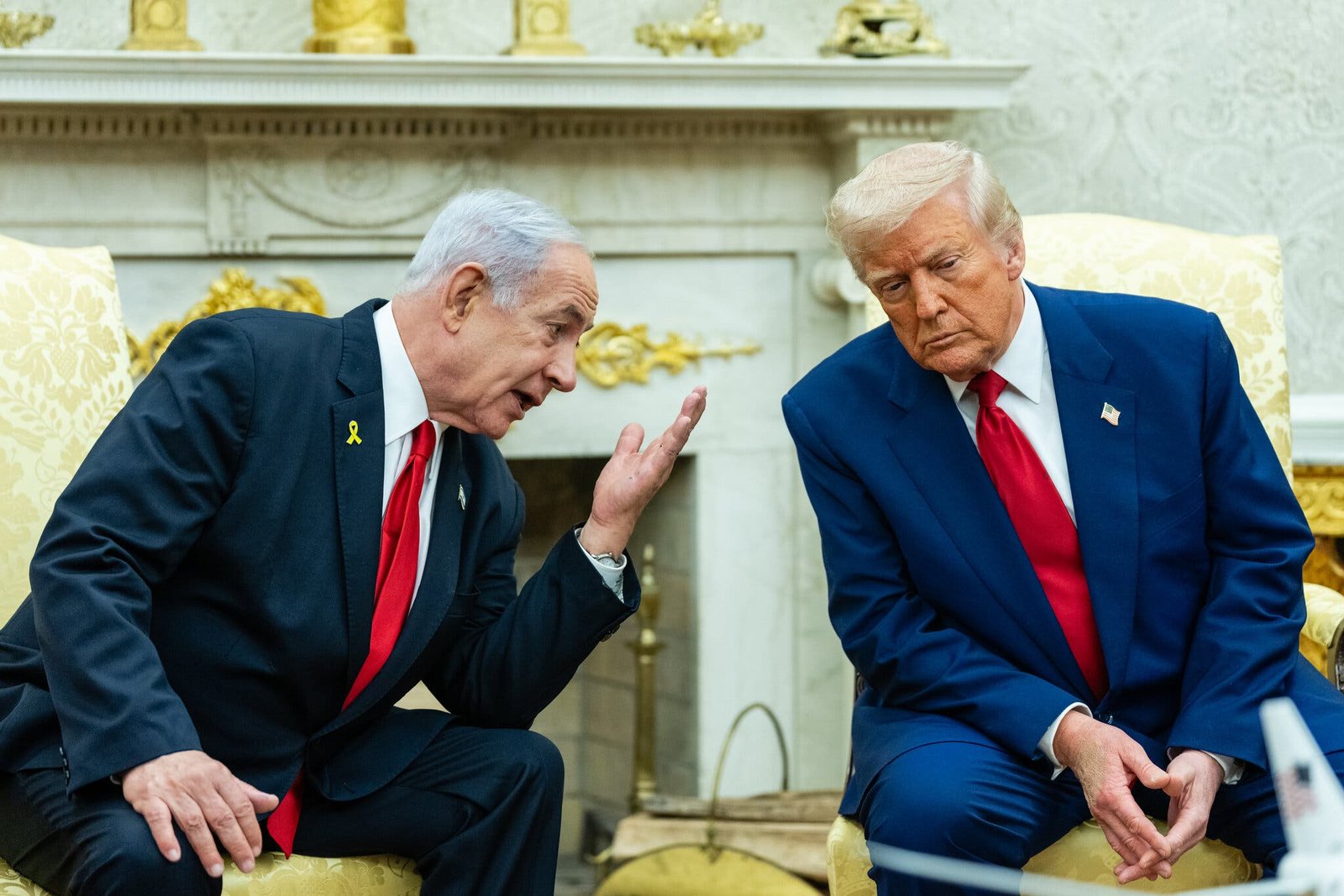
Trump ‘not thrilled’ with Iran after latest talks on nuclear programme
These concessions would normally mark a breakthrough.
But for U.S. President Donald Trump, they are not enough.
Trump has repeatedly insisted on a single non-negotiable demand: zero uranium enrichment. For Iran, however, enrichment remains a matter of sovereignty and national pride — a red line Tehran refuses to cross. This fundamental disagreement has turned progress into paralysis, raising fears that diplomacy may ultimately prove futile.
The Countdown to March 2, 2026
Diplomats now view Monday’s scheduled technical talks in Vienna as the final opportunity to bridge the divide. Officials involved in mediation believe the outcome will determine whether negotiations continue or collapse entirely.
Oman’s Foreign Minister, Sayyid Badr bin Hamad bin Hamood Albusaidi, has expressed cautious optimism that a formula acceptable to Washington could emerge. He has suggested that additional technical clarifications may align the agreement more closely with Trump’s expectations.
Yet optimism alone cannot erase the deep strategic mistrust between the two sides.
American negotiators remain skeptical that Iran’s commitments can be verified beyond doubt. Iranian officials, meanwhile, suspect Washington may abandon any deal regardless of concessions, recalling previous diplomatic breakdowns. Each side fears deception; each believes time may favor the other.
As a result, March 2 is no longer just another negotiation date — it has become a geopolitical deadline.
Military Signals and Rising Fear
While diplomats talk, militaries prepare.
The United States has quietly intensified its posture across the Middle East, carrying out what analysts describe as one of the largest regional force build-ups in years. The movement of assets, combined with increasingly sharp rhetoric from Washington, has heightened fears that military options are no longer theoretical.
Trump himself has admitted he is “not happy” with the talks and has not ruled out military action, stating that although he does not seek war, sometimes force becomes necessary.
The atmosphere has grown even darker with recent evacuation measures.
The United States has begun pulling embassy personnel from Israel, while multiple countries — including major global powers — have urged their citizens to leave Iran immediately. Travel advisories warning of possible hostilities have spread rapidly, signaling that governments are preparing for worst-case scenarios.
Such moves are rarely symbolic. In diplomatic language, they often indicate that decision-makers believe escalation is no longer unlikely.
Pressure Without Submission
Despite mounting pressure, Iran has shown little indication that it will bow to Trump’s demands.
Tehran continues to frame its nuclear program as peaceful and insists that enrichment rights are non-negotiable under international law. Iranian leaders appear determined to avoid appearing weak domestically, especially under external pressure.
This resistance has created a dangerous strategic standoff.
Washington believes increasing pressure may force concessions at the last moment. Iran appears convinced that standing firm will eventually compel the United States to accept compromise rather than risk a regional war.
Both calculations cannot be correct simultaneously.
A Future Balanced on Uncertainty
The coming days will test whether diplomacy can survive the collision between political will and national pride. Analysts warn that even a limited strike could ignite retaliation across the region, threatening energy markets, global trade routes, and already fragile regional stability.
If talks succeed, March 2 may be remembered as the day war was avoided at the final hour.
If they fail, it could mark the beginning of a new and unpredictable chapter in Middle Eastern conflict — one shaped not by negotiations, but by missiles and escalation.
For now, the world watches anxiously, markets tremble, and governments prepare contingency plans.
Because by Monday, the answer to the question dominating global headlines — will Trump attack Iran — may finally be known.