



-
Record Revenue: Google-parent Alphabet reported $102.3 billion in third-quarter revenue — a 16% year-over-year surge — with net income up 33% to $35 billion, beating Wall Street expectations.
-
AI-Driven Growth: Massive investments in AI, cloud computing, and digital advertising powered the gains; Google Cloud revenue jumped 34% to $15.2 billion, while the Gemini AI app reached 650 million monthly users.
-
Cultural Shift: Under CEO Sundar Pichai, Google is reshaping its workplace culture — introducing voluntary severance programs and refocusing teams to align with its AI-first vision and efficiency goals.
-
Future Outlook: Google plans to invest up to $93 billion this year in AI data centers, quantum computing, and employee AI training programs, signaling a long-term commitment to leading the global AI revolution.
Alphabet Inc., the parent company of Google, has once again rewritten Silicon Valley history — reporting a record-breaking $102.3 billion in third-quarter revenue, a 16% surge year-over-year, fueled by a powerful combination of digital advertising growth, cloud-computing demand, and aggressive artificial intelligence (AI) expansion.
Net income hit nearly $35 billion, up 33% from the same period last year, easily surpassing Wall Street expectations. Shares of Alphabet soared more than 6% in after-hours trading, reflecting investor confidence in CEO Sundar Pichai’s bold AI-centered transformation of the tech giant.
“This quarter shows that AI is not just a buzzword for us—it’s driving real business results across Google,” Pichai said, underscoring how artificial intelligence is now woven into every corner of the company’s strategy.
Behind Google’s Revenue Record: Ads, Cloud, and AI
Three divisions powered Google’s explosive performance: Search, YouTube, and Google Cloud.
-
The Search unit remained Google’s financial backbone, earning $56.6 billion, up 15% from last year, as advertisers returned in force amid a global digital spending rebound.
-
YouTube recorded an impressive $10.3 billion in revenue, a 15% rise, supported by robust ad demand and a sharp increase in creator-driven content.
-
But the standout was Google Cloud, which generated $15.2 billion, marking a 34% year-over-year jump — its fastest growth rate since 2021. Cloud infrastructure now powers much of Google’s AI model training and corporate AI adoption worldwide.
READ MORE: Google Revenue Soars to Record as AI Boom Lifts Cloud Business
Google’s ad dominance — long criticized as monopolistic — remains unshaken. Even as startups like ChatGPT, Anthropic, and Perplexity challenge traditional search, Google’s AI Mode in its revamped search engine has helped it retain users seeking more conversational, chatbot-style results.
AI: The Billion-Dollar Engine of Google’s Future
Google is spending at a scale that dwarfs its peers. The company has raised its capital expenditure forecast to $91–93 billion for 2025, up from $52.5 billion last year — most of it directed toward building AI-ready data centers, developing large language models, and scaling its flagship Gemini AI ecosystem.
ALSO READ: Pakistan asks Google & Wikipedia to remove sacrilegious content
The Gemini app, Google’s rival to OpenAI’s ChatGPT, now boasts over 650 million monthly users, with query volumes tripling since the second quarter. The company’s next AI milestone involves integrating Gemini into every Google product — from Gmail and Maps to YouTube and Docs — turning routine user interactions into AI-assisted experiences.
As competitors like Microsoft’s Copilot and Meta’s Llama race to embed AI in everyday tools, Pichai’s vision is clear: make Google not just a search company, but the operating system of the AI world.
Inside Google: Culture, Challenges, and Change
Behind the numbers lies a company in transition. The relentless push toward AI has created cultural tremors within Google’s workforce. Several divisions, including YouTube, Search, and Ads, have introduced voluntary severance packages to streamline operations.
A memo this week revealed YouTube’s plan to reorganize leadership and offer buyouts to U.S. staff — part of a wider effort to “refocus resources toward innovation and AI growth.”
While some employees express anxiety over these changes, others see the restructuring as a renewal of Google’s inventive DNA — a return to the scrappy, ambitious spirit that defined its early years.
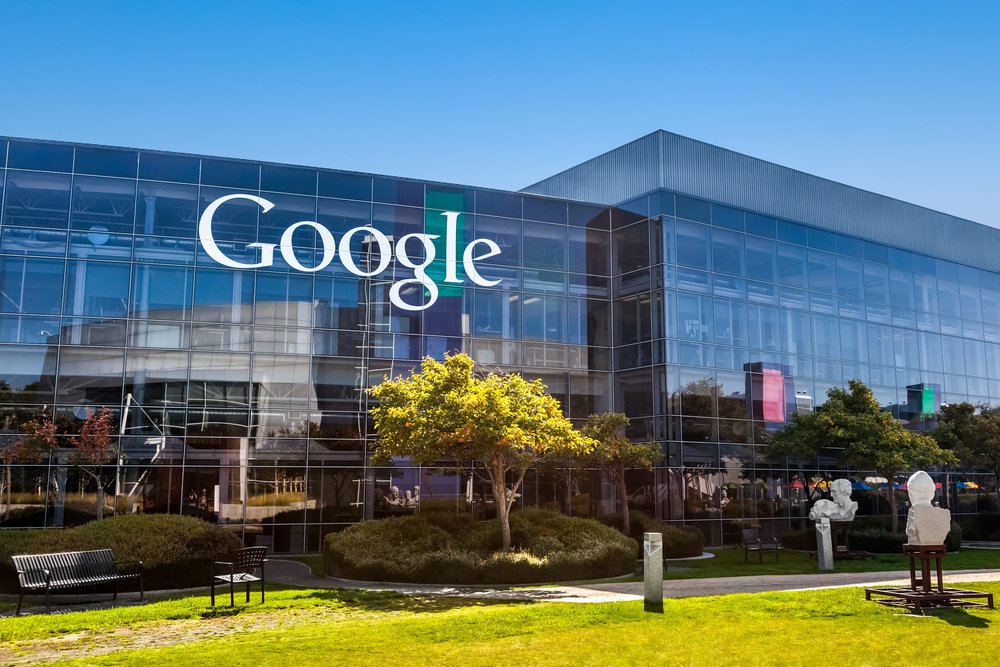
“AI has reshaped what it means to work at Google,” said a senior engineer at the company’s Mountain View campus. “We’re building things faster, testing bolder ideas, and there’s a real sense of urgency now.”
The company’s once famously relaxed culture — marked by open-floor campuses, gourmet cafeterias, and nap pods — is subtly shifting toward a more results-oriented, mission-driven ethos. Pichai’s leadership has emphasized “discipline in innovation”, balancing creativity with fiscal accountability in the AI era.
Legal Wins and Market Confidence
Adding to its upbeat quarter, Google notched a key legal victory in September when U.S. District Judge Amit Mehta declined to impose severe penalties in a federal antitrust case targeting its search dominance.
While the court barred Google from paying to be the exclusive search engine on devices, it rejected proposals to break up the company or force the sale of Chrome, citing AI’s disruptive impact on market competition.
The decision allows Google to continue its $20 billion annual deal with Apple to remain Safari’s default search engine — a major relief for investors and a testament to Google’s enduring market leverage.
However, not all legal challenges are behind it. The Justice Department’s separate antitrust case on Google’s advertising monopoly remains ongoing, with federal judges weighing remedies to ensure fairer competition in web ad auctions.
What’s Next: The Google of Tomorrow
Looking forward, Pichai’s Google is betting everything on AI — not just as a product, but as a platform for human progress.
The company plans to expand its AI campus network, invest heavily in quantum computing, and launch employee retraining programs to equip its 180,000-strong workforce with AI literacy and new digital skills.
Employee development programs will include AI certification courses, startup incubation support, and hybrid work innovations leveraging augmented reality. Insiders say Pichai is committed to ensuring that “no Googler is left behind in the AI revolution.”
Wall Street remains bullish. With AI-powered revenue growth, leaner operations, and steady legal wins, Alphabet has reclaimed its position as the most forward-looking tech powerhouse of the decade.
A New Era of Intelligent Growth
Google’s record quarter is more than a financial milestone — it’s a cultural and strategic turning point. From redefining search to leading the global AI race, Sundar Pichai’s Alphabet is evolving from a data company into an intelligence ecosystem, setting the tone for how the world will work, search, and learn in the years ahead.
The message from Mountain View is unmistakable: Google isn’t just adapting to the AI age — it’s building it.