


- Strait of Hormuz closure disrupts 20% of global oil and LNG supplies.
- IRGC gunboats fire on Indian supertanker, forcing a retreat near Oman.
- General Naghdi warns of new missiles built this month for a global war.
- U.S. maintains naval blockade as diplomatic talks in Pakistan falter.
The fragile hope for a diplomatic breakthrough in the Persian Gulf evaporated Saturday morning when an Indian-flagged VLCC supertanker, carrying two million barrels of Iraqi crude, came under direct fire from Islamic Revolutionary Guard Corps (IRGC) gunboats.
The vessel, which had attempted to transit the Strait of Hormuz following Friday’s brief reopening, was forced to execute a frantic U-turn 20 nautical miles northeast of Oman. Radio distress calls captured the crew’s desperation as they claimed prior permission to pass, only to be met with warning shots and projectiles.
Global Shock: Iran Re-Closes Strait of Hormuz, Threatening to Scuttle Pakistan-Led Peace Talks
This violent reversal marks a definitive collapse in the “safety valve” of global trade. Just 24 hours after President Donald Trump and Tehran both signaled the waterway was open, Iran has officially snapped the gates shut again, citing the persistent U.S. naval blockade of its own ports as “banditry and piracy.”
The New Arsenal: “Built Just This Month”
The escalation is underpinned by a chilling warning from Senior Iranian Commander Brigadier General Mohammad-Reza Naghdi. In a televised address, Naghdi made it clear that Iran has intentionally withheld its most devastating strategic assets.
“If the war resumes, Iran will use missiles that were built just this month,” Naghdi stated, asserting that the West is powerless to stop Tehran’s domestic missile-building capabilities.
He warned that any resumption of hostilities would not remain localized. Unlike previous skirmishes, Naghdi cautioned that the conflict will become global this time, claiming the IRGC has the capacity to take down 15 million barrels of regional oil production per day, effectively “shutting down the world” for a year.
Global Shock: Iran Re-Closes Strait of Hormuz, Threatening to Scuttle Pakistan-Led Peace Talks
Economic Aftershocks and Trade Paralysis
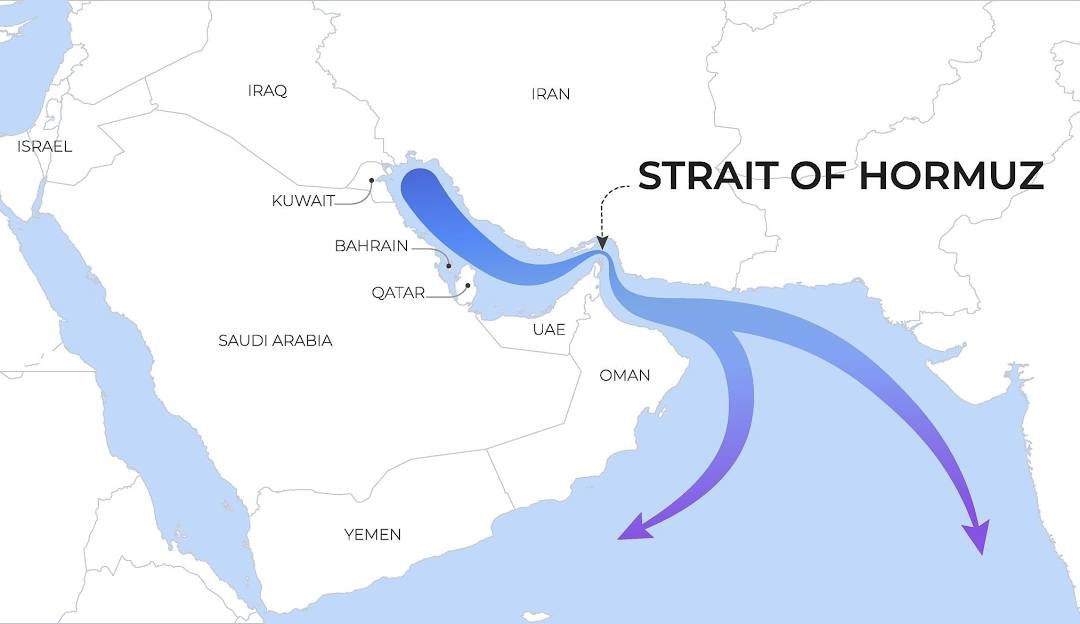
The re-closure of the Strait—a narrow neck of water through which 20% of the world’s oil and LNG flows—has sent shockwaves through international markets.
-
Energy Crisis: Brent Crude, which had briefly dipped on Friday, spiked back toward the $120 per barrel mark.
-
Supply Chain Collapse: In the Gulf Cooperation Council (GCC) states, the blockade has triggered a “grocery supply emergency,” as these nations rely on the Strait for nearly 80% of their caloric intake.
-
Insurance & Shipping: Global shipping traffic, which had plummeted 90% since the war began on February 28, remains at a near-standstill. Owners are unwilling to risk billion-dollar assets against Iran’s sophisticated sea mines and “fresh” missile stock.
Analysis: The Deadlock of Blockades
The current crisis is a result of a “blockade for a blockade” logic. President Trump has maintained that the U.S. naval blockade of Iranian ports will remain “in full force” until a final peace deal is signed. Conversely, Tehran views the Strait of Hormuz as its only leverage against economic strangulation.
When The Strait Becomes a Weapon
This tactical deadlock has placed neutral powers like India in an impossible position. As an energy-dependent nation already reeling from LPG shortages, the direct attack on its tanker forces New Delhi to reconsider its neutrality. While mediators in Pakistan and Turkey scramble to salvage talks before the current ceasefire expires Wednesday, the reality on the water suggests that both sides are preparing for a much longer, much more destructive engagement.
Geopolitical Forecast: The Hormuz Brinkmanship
The re-closure of the Strait of Hormuz signals a transition from regional skirmish to a permanent war of attrition. Expect oil prices to stabilize at a “crisis floor” of $130-$150, triggering aggressive inflation in energy-dependent Asian economies. Iran’s claim of “newly built” missiles suggests a shift toward asymmetric saturation tactics designed to overwhelm carrier strike groups. If the Wednesday ceasefire deadline passes without a signed deal, the conflict will likely expand to the Red Sea and Bab al-Mandab, creating a dual-chokepoint blockade that could contract global GDP by 3% by year-end.