



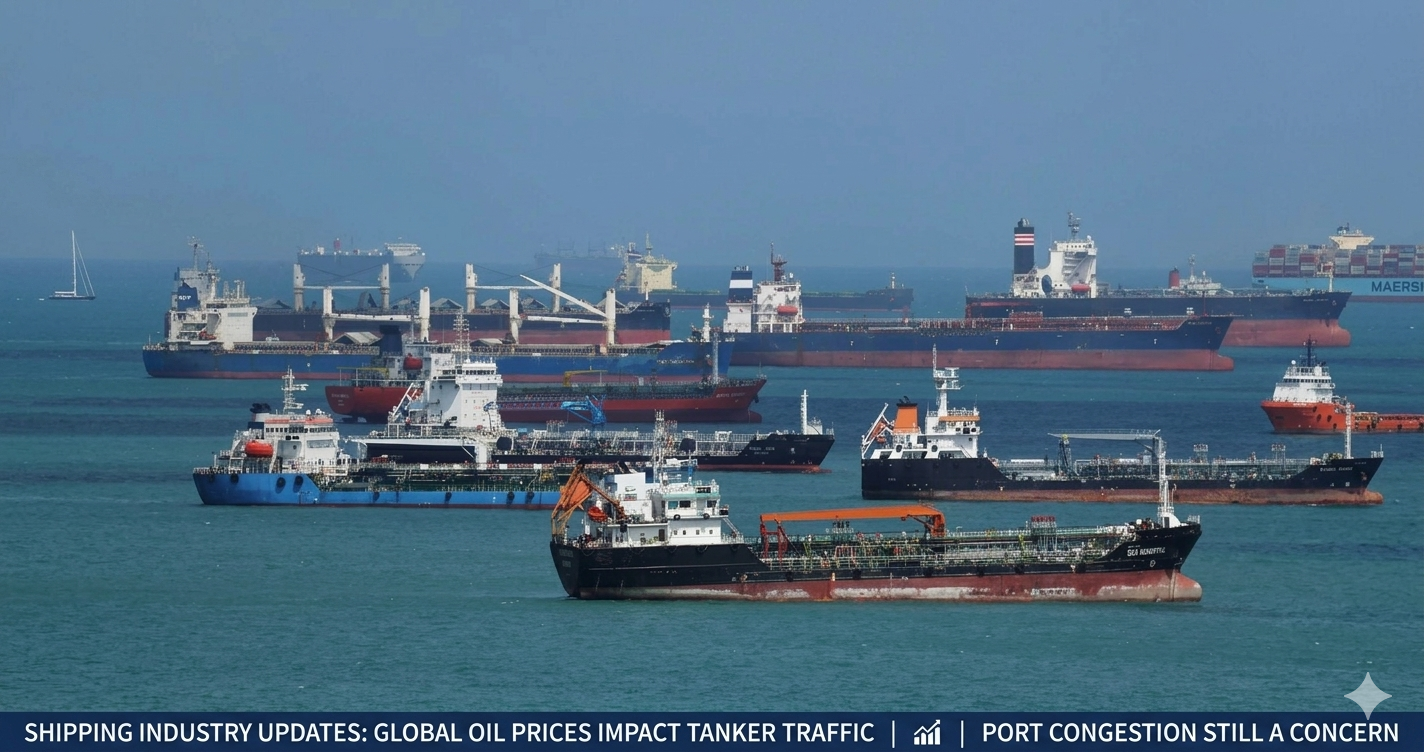
- Strait of Hormuz crisis threatens global oil, gas and food supply chains
- Nearly 20% of global oil passes through the strategic maritime corridor
- Developing nations face the highest economic impact from disruptions
- UAE and South Africa play key roles in stabilising global trade flows
The conflict in the Middle East is a stark reminder of how deeply interconnected the global economy has become: a crisis in one region can reverberate across every continent.
Nowhere is this more evident than in the Strait of Hormuz, one of the world’s most strategic passages—a vital artery through which about 20 million barrels of oil used to pass each day, roughly a fifth of the global petroleum supply.
Today, that artery is under threat. Iran’s actions amount to economic warfare and piracy against the global economy, targeting critical infrastructure, ships and ports with relentless attacks that endanger energy security, maritime safety and regional stability, in clear and egregious violation of international law.
The implications extend far beyond oil. The Gulf supplies about 25 percent of global natural gas, 20 percent of global oil and 70 percent of the world’s petrochemical needs. A third of globally traded fertiliser also originates from the region, meaning any disruption to the strait directly jeopardises global food security, putting as many as 300 million people at risk of shortages.
Heroes in the Sky: UAE Air Defense Protects Ports and Lives Amid Escalating Attacks
In short, when the Strait of Hormuz is threatened, the impact is not regional — it is global. Even a brief interruption to traffic through this narrow corridor has sent energy prices surging, while rippling through global supply chains, leaving goods stranded in ports and driving up insurance costs for maritime trade.
Rising oil prices will not only be felt by motorists at the pump but across the entire economy, as higher energy costs feed into transport, manufacturing and food production. Furthermore, the cost of these Iranian attacks will not be borne equally by different countries. While developed economies may be able to absorb short-term shocks, the greatest burden will fall on the Global South.
The United Arab Emirates plays a critical role in mitigating such pressures, serving as a major logistics and humanitarian hub through which food, fuel and essential goods are redistributed to vulnerable regions, including across Africa.
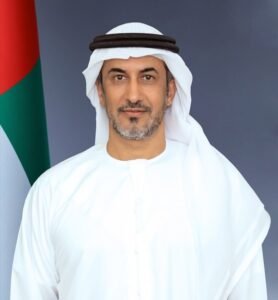
SAEED AL HAJERI | When a waterway becomes a weapon
Moments such as these underscore the importance of collective action to safeguard the stability of the global economic system. For countries like the United Arab Emirates and South Africa — deeply integrated into global trade networks — the free and secure movement of goods, energy and resources is not optional; it is foundational to economic stability and growth. Disruptions in critical arteries such as the Strait of Hormuz therefore pose a direct and immediate threat to this model.
Both the United Arab Emirates and South Africa have demonstrated how to operate effectively within this system, building their success on openness to the global economy and a steadfast commitment to strong, pragmatic partnerships.
Beyond The Crisis: How the UAE Protected Lives, Preserved Stability, and Led with Compassion
The United Arab Emirates has established itself as a leading global hub for trade, logistics and finance, home to some of the world’s busiest ports and aviation corridors. DP World has made significant investments across Africa, while Emirates Airline connects South Africa to global markets in partnership with South African Airways and Airlink.
South Africa plays a similarly important role as a gateway to the African continent. Together, the United Arab Emirates and South Africa function as vital connectors between regions, facilitating the flow of goods, capital and investment across continents.
This interconnected role makes them particularly exposed to shocks in global trade routes. Even short-term disruptions in maritime corridors can reverberate through supply chains, increasing costs, delaying shipments and placing additional strain on economies that depend on predictable and efficient trade flows.
At the same time, the United Arab Emirates’ economic resilience, underpinned by diversification, openness and proactive policy frameworks, positions it to absorb such pressures while continuing to support global trade. Non-oil sectors now account for 75 percent of GDP, and sovereign wealth funds hold about $2.49 trillion in assets, providing a strong financial foundation.
We need a conclusive outcome that addresses Iran’s full range of threats: nuclear capabilities, missiles, drones and proxy forces, while ending threats to freedom of navigation as well as economic warfare and piracy in the Strait of Hormuz
Saeed Al Hejeri
This resilience, built over decades of strategic planning and strong governance, enables the United Arab Emirates not only to withstand external shocks but also to continue playing a stabilising role in the global economy at a time of heightened uncertainty.
But resilience alone is not enough when a critical global artery is under threat. The disruption of the Strait of Hormuz has brought renewed urgency to the task of safeguarding global trade routes and ensuring that the systems underpinning the international economy remain secure, open and protected.
While in the short term South Africa may see increased maritime traffic diverted around the Cape of Good Hope, longer transit times and higher shipping costs ultimately place additional strain on supply chains, with consequences felt both in South Africa and globally.
This is why the United Arab Emirates has argued for international measures to protect maritime trade. South Africa also has an important role to play, adding its respected voice on the international stage to demonstrate collective resolve in the face of these attacks.
In this regard, United Nations Security Council Resolution 2817, co-sponsored by 136 countries, sent a clear and unified message: the international community will not tolerate attacks on sovereignty, civilians or critical infrastructure. It calls on Iran to cease immediately its attacks, including drone and missile strikes, the laying of mines and any attempts to disrupt freedom of navigation through the Strait of Hormuz, in full compliance with international law.
This position has been reinforced. The International Maritime Organisation Council strongly condemned Iranian threats and attacks against vessels and its purported closure of the Strait of Hormuz. The decision, co-sponsored by more than 115 member states — the highest number in the organisation’s history — underscores the global consensus that freedom of navigation in the strait must be upheld.
Against this backdrop, following the announcement by President Donald Trump of a ceasefire between the United States and Iran, the United Arab Emirates is seeking further clarification on the agreement’s provisions to ensure Iran’s full commitment to an immediate cessation of all hostilities in the region and the complete and unconditional reopening of the Strait of Hormuz.
We need a conclusive outcome that addresses Iran’s full range of threats: nuclear capabilities, missiles, drones and proxy forces, while ending threats to freedom of navigation as well as economic warfare and piracy in the Strait of Hormuz. This underscores a broader reality: short-term pauses in violence do not resolve the underlying risks to freedom of navigation and global trade stability.
The risk of inaction is profound. Prolonged disruptions to trade routes could entrench global inflation, slow economic growth and put pressure on key sectors, from manufacturing to agriculture, undermining export competitiveness.
The weaponisation of the Strait of Hormuz is not an attack on any one nation alone; it is an act of economic aggression against the entire international community. Such a vital artery must never be subjected to coercion or control by a single actor.
Protecting global trade routes is therefore not the responsibility of any one country — it is a shared obligation, requiring coordinated action across regions, sectors and nations.