



- Europe-China Partnership: A strategic pivot amid U.S. disengagement.
- Economic Benefits: Access to critical resources, trade, and investment.
- Geopolitical Leverage: Diplomacy in a multipolar world.
- UK Opportunities: Post-Brexit industries boosted by Chinese investment.
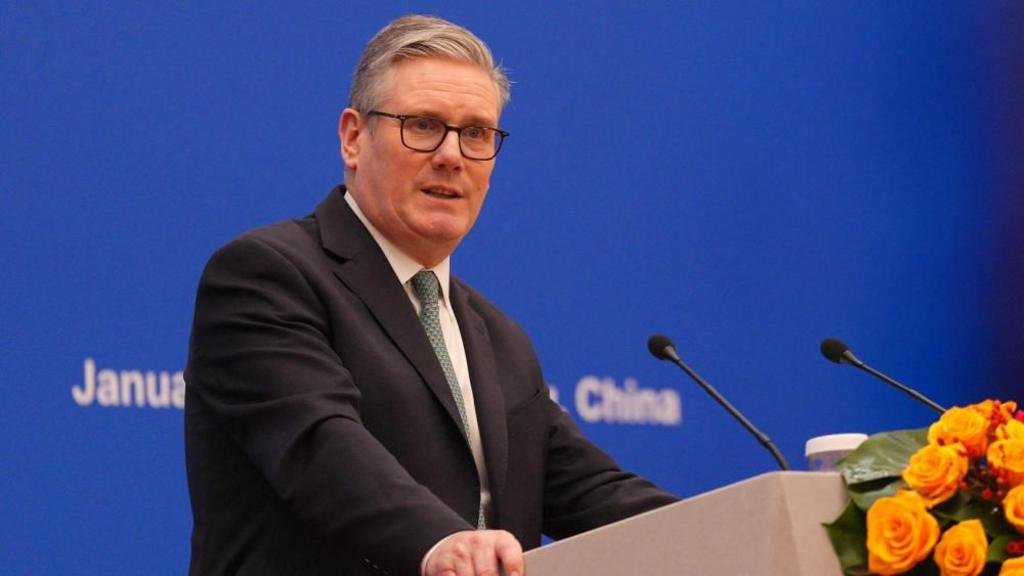
As of January 2026, China is attracting unprecedented attention from the world’s major powers. Following recent state visits by the heads of South Korea, Canada, and Ireland, the United Kingdom’s Prime Minister is now on a high-profile state trip to Beijing.
This sequence of diplomatic engagement signals a broader trend: the world’s most influential countries are actively cozying up to China, recalibrating their foreign policies after the hawkish and unpredictable Trump-era interventions in Greenland, Venezuela, tariffs, and broader U.S.-led economic strategy.
The Case for a Stronger China-Europe Partnership
Trump’s foreign policy, marked by transactionalism and volatility, destabilized the security and economic framework Europe once relied upon. Despite the Biden administration’s attempts to restore transatlantic confidence, Trump’s political resurgence has reignited doubts over U.S. reliability. In this vacuum, China emerges as a strategic alternative—an economic powerhouse with vested interests in global stability and trade.
China Emerges as Global Trade Anchor as US Allies Pivot from Trump’s America First Policies
Trade between the EU and China has long surpassed U.S.-China commerce, reaching $828 billion in 2021. While tensions over industrial policy and supply chain dependencies caused a dip to $711 billion in 2023, engagement remains vital. Europe’s long-term economic resilience increasingly depends on harnessing China’s resources, investment, and technological capabilities.
The Ukraine Crisis and Europe’s Strategic Autonomy
Trump’s erratic approach to Ukraine undermined European security, emboldening Russia and straining the continent’s humanitarian and economic capacity.
Classified Report Stuns U.S. Lawmakers: China’s Tech Self-Sufficiency Redefines Global Power Balance
Over 4.5 million Ukrainian refugees currently reside in Europe; sudden U.S. disengagement could exacerbate pressures on Germany, Poland, and other host nations. Engaging China offers Europe diplomatic leverage, as Beijing has signaled interest in post-conflict reconstruction despite its ties to Moscow.
Economic Cooperation: A Strategic Imperative
Europe’s green transition and industrial modernization depend on China’s dominance in critical resources. China controls over 70% of lithium refining capacity and 85% of rare earth processing, essential for electric vehicles, renewable energy, and AI technologies.
China lifts sanctions on MPs and peers, as Starmer says he hopes Xi will visit UK
Post-Brexit Britain, with Chinese FDI down from $20 billion in 2019 to $5 billion in 2023, has a strategic incentive to revitalize relations with Beijing to support infrastructure, finance, and AI development.
Geopolitical Implications: Pragmatism Over Ideology
Europe’s deepening ties with China are driven by necessity, not ideological alignment. The Belt and Road Initiative offers infrastructure and logistics opportunities, exemplified by gains in Italy and Greece. A pragmatic partnership with China strengthens Europe’s global negotiating power and sends a clear message to Washington: Europe is prepared to act independently in a multipolar world.
Conclusion: Embracing a Multipolar Future
In an era of U.S. disengagement and global uncertainty, Europe can no longer rely solely on traditional alliances. Strategic engagement with China—balanced with transatlantic ties—is essential for economic growth, security, and global influence. As powerful nations increasingly pivot to Beijing, Europe must recognize that proactive collaboration is not optional—it is indispensable for navigating the 21st-century world order.