



- The Iran conflict has entered a critical phase with the Strait of Hormuz remains largely closed to commercial traffic.
- President Trump has signaled a “limited window” for diplomacy before resuming airstrikes.
- High-level friction exists between the U.S. and Israel regarding the terms of any potential nuclear deal.
- Military assets, including U.S. tankers, remain stationed in Israel for immediate mobilization.
WASHINGTON — Returning from high-level talks in China, President Trump finds himself at a geopolitical crossroads that could define his presidency: either commit to a decisive military conclusion in Iran or risk a prolonged strategic stalemate that mirrors the diplomatic failures of the past.
Nearly ninety days into a conflict that has crippled Iran’s conventional military and stalled its nuclear progress, the regime in Tehran remains defiant. Despite a U.S.-led blockade, the “revolutionary” leadership has successfully choked off commercial traffic through the Strait of Hormuz, holding the global energy supply hostage.
The Friction of Restraint
The President’s current ceasefire has now surpassed the duration of Operation Epic Fury. While Trump has publicly rejected “bad deals”—calling them a potential “Obama 2015 redux”—his patience is visibly thinning. On Monday, the President revealed he was a mere hour away from relaunching an offensive before being urged by mediators to grant diplomacy one final window.
Diplomatic Gridlock: High-Stakes US-Iran Negotiations Falter Despite Islamabad’s Mediation
“I hope we don’t have to do the war, but we may have to give them another big hit,” Trump stated Tuesday, setting a vague deadline of “early next week” for a breakthrough.
A Fractured Alliance
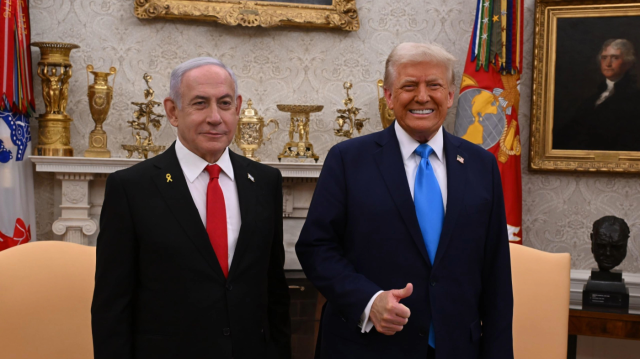
The tension isn’t only between Washington and Tehran. A contentious Tuesday evening call between Trump and Israeli Prime Minister Benjamin Netanyahu highlighted a deepening rift.
Trump, Netanyahu Hold Testy Call Over Iran
Netanyahu reportedly “railed” against the current diplomatic path, fearing any memorandum of understanding would allow Iran to retain its underground enrichment sites, such as the facility beneath Pickaxe Mountain.
Iran, Venezuela, and Cuba: The Authoritarian Collapse We Didn’t See Coming
While Trump maintains that Netanyahu will “do whatever I want him to do,” the reality on the ground suggests otherwise. Israel remains on high alert, with U.S. tankers and interceptors stationed at Ben Gurion Airport, ready to support a bombing campaign that Israel views as an existential necessity.
Strategic Alternatives
If negotiations fail by the weekend, the administration is weighing three primary escalatory paths:
-
The Nuclear Strike: A targeted mission to seize enriched stockpiles and destroy hardened sites.
-
The Naval Convoy: Utilizing U.S. air and sea power to forcibly reopen the Strait of Hormuz, allowing the blockade to grind down the Iranian economy over time.
-
Infrastructure Attrition: Systematically dismantling Iran’s oil refineries and CIA-backed support for internal dissidents to bankrupt the regime.
The risks are immense. Iran has already demonstrated its reach, with recent drone strikes near the UAE’s nuclear plant and attacks on Dubai International Airport. As interceptor stockpiles dwindle across the Gulf, the cost of “finishing it up” grows by the hour.
For a President who campaigned on ending “endless wars,” the choice is now binary: accept a flawed peace or initiate a full-scale assault to restore American deterrence.