


- Russian oil demand surges as Asian economies respond to Hormuz disruption
- Iran war blocks major global oil supply routes, triggering crisis
- Southeast Asian nations shift policy to secure discounted Russian crude
- Geopolitical realignment accelerates amid changing U.S. sanctions policy
The ongoing Iran war is taking a visible toll on Asian economies, with Russian oil demand rising sharply as countries scramble to secure alternative energy supplies following the disruption of shipments through the Strait of Hormuz.
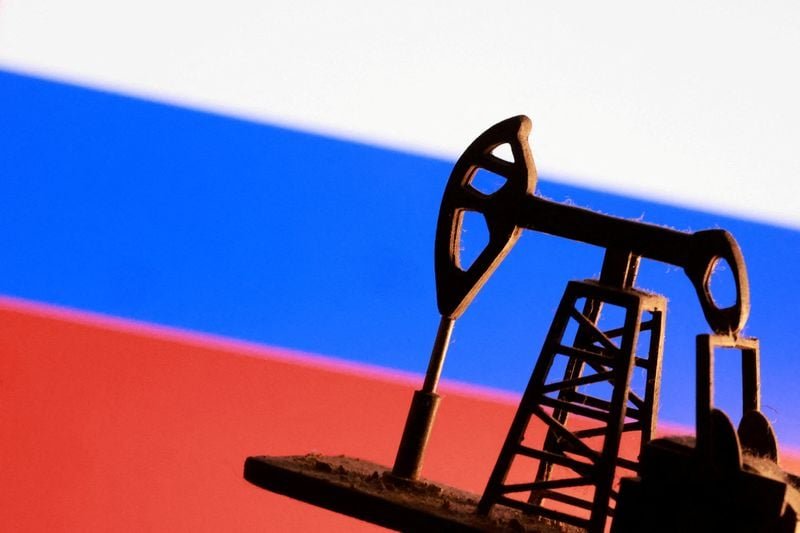
A fifth of global oil supply has effectively been choked off after the strategic waterway was shut amid escalating conflict involving Iran, the United States, and Israel. The disruption has forced a growing list of Asian nations—including Indonesia, Thailand, Philippines, Sri Lanka, and Vietnam—to pivot toward Moscow, driving Russian oil demand to new highs.
The shift has accelerated after the administration of Donald Trump granted a temporary sanctions waiver, allowing countries to purchase Russian oil at sea. Analysts say this policy change has reshaped global energy flows almost overnight.
Russian oil demand reshapes Asia’s energy markets
The spike in Russian oil demand reflects both urgency and opportunity. With Middle Eastern supplies constrained, Asian buyers are moving quickly to lock in Russian cargoes.
According to market data, the Philippines has resumed imports of Russian crude for the first time in five years, purchasing ESPO Blend shipments delivered to Limay port. Meanwhile, Thailand has entered discussions with Russian suppliers, while Sri Lanka is reportedly negotiating long-term deals.
Fuel-thirsty Asian countries line up for Russian oil
In Vietnam, Prime Minister Pham Minh Chinh recently visited Moscow to secure energy cooperation agreements, including increased crude supplies and upstream investment.
Russia, already redirecting exports after European sanctions tied to the Russia-Ukraine War, now finds itself at the center of a new energy realignment. India and China still account for nearly 80 percent of its oil exports, but fresh buyers are intensifying Russian oil demand, raising concerns about supply constraints.
Pakistan Digital Diplomacy: The Silent Channel Preventing a U.S.-Iran War Escalation
Kremlin spokesman Dmitry Peskov acknowledged the pressure, warning that surging Russian oil demand could soon outpace Moscow’s export capacity.
Economic strain deepens as Iran war disrupts fuel supply
The Iran war has triggered a cascading economic impact across Asia, where many economies depend heavily on imported energy. The shutdown of the Strait of Hormuz—a route that normally carries about 20 percent of global oil—has pushed fuel prices higher, weakened currencies, and strained fiscal budgets.
For countries like Sri Lanka and Philippines, which are already managing fragile economic recoveries, rising Russian oil demand reflects a survival strategy rather than a policy choice. Governments are seeking discounted Russian crude to cushion domestic markets from global price spikes.
Indonesia and Thailand, both major energy importers, are also recalibrating subsidy regimes and exploring diversified supply chains. However, economists warn that increased reliance on Russian supplies may expose these countries to geopolitical risks and future sanctions uncertainties.
At the same time, Russia’s ability to meet growing Russian oil demand is under pressure. Ukrainian drone attacks have reportedly disrupted a significant portion of its oil export infrastructure, limiting capacity even as global demand surges.
Geopolitics and foreign policy realignment in motion
Beyond economics, rising Russian oil demand signals a broader geopolitical shift. The temporary easing of U.S. sanctions has opened space for countries to pursue pragmatic energy policies, even if it means strengthening ties with Moscow.
For Southeast Asian nations, the move underscores a balancing act between energy security and diplomatic alignment. While Washington’s waiver has enabled purchases, long-term reliance on Russian oil could complicate relations if sanctions are reimposed.
The Iran war has also exposed vulnerabilities in global supply chains, prompting governments to rethink energy security strategies. Increased Russian oil demand may persist even after the conflict subsides, particularly if alternative routes and suppliers remain unstable.
Energy analysts say the current crisis could accelerate a multipolar energy order, where countries diversify away from traditional suppliers and prioritize resilience over alignment.
For now, as the Iran war continues to disrupt markets, Russian oil demand remains at the center of Asia’s economic and geopolitical recalibration—reshaping trade flows, testing alliances, and redefining the region’s energy future.