


- Pakistan digital diplomacy is enabling real-time indirect talks between the U.S. and Iran
- Islamabad is acting as a secure digital bridge relaying a 15-point U.S. proposal to Tehran
- Pakistan digital diplomacy marks a historic shift from traditional mediation to tech-driven conflict resolution
- Regional powers including Turkey and Egypt are supporting Pakistan-led diplomatic efforts
In a striking evolution of modern diplomacy, Pakistan has positioned itself at the center of efforts to de-escalate tensions between the United States and Iran—not through traditional shuttle diplomacy, but through rapid, technology-driven message relays that reflect the changing nature of global conflict resolution.
Deputy Prime Minister and Foreign Minister Ishaq Dar confirmed on Thursday that indirect negotiations between Washington and Tehran are currently underway, with Pakistan acting as a conduit for communication. The talks, he clarified, are being conducted through electronic messages—a method that underscores both urgency and the growing role of digital infrastructure in international mediation.
“There has been unnecessary speculation in the media regarding peace talks,” Dar wrote on X, noting that the United States has already shared a 15-point proposal with Iran, which is now under review in Tehran.
Iran US Peace Talks: Strategic Ambiguity Defines Tehran’s Calculated Shift Toward Negotiations
While the contents of the plan remain officially undisclosed, regional media reports suggest it addresses key flashpoints, including Iran’s nuclear ambitions, missile capabilities, and its support for non-state actors across the Middle East.
This development places Pakistan in an unusual but increasingly significant role: a “digital bridge” between two adversaries whose confrontation risks spiraling into a broader regional—and potentially global—conflict. In an era defined by 5G connectivity, encrypted communication, and instantaneous data transfer, Islamabad’s mediation reflects a shift away from slow-moving, in-person negotiations toward a more agile, continuous diplomatic process.
Hormuz Crisis Escalation: Infrastructure Warfare and the Emerging Risk to Gulf Energy-Water Security
Historically, third-party mediation has relied on physical proximity—neutral venues, backchannel envoys, and prolonged diplomatic engagements. Pakistan’s approach, however, signals a departure from that model. By leveraging secure electronic communication channels, it has enabled near real-time dialogue between Washington and Tehran, reducing delays that can often exacerbate misunderstandings in high-stakes conflicts.
Gulf countries want Trump to end Iran war — but not yet, officials say
Officials indicate that other regional actors, including Turkey and Egypt, are supporting the initiative, though Pakistan remains the primary intermediary for message transmission. The involvement of multiple states highlights the broader international concern that the conflict could escalate beyond control if not urgently contained.
The United States’ proposal—referred to by Donald Trump as a “15-point plan”—is believed to include stringent limitations on Iran’s nuclear and missile programs, alongside demands to curtail its regional alliances with groups such as Hezbollah and Hamas. In exchange, the framework reportedly offers sanctions relief and international support for civilian nuclear development.
Iran’s initial reaction, however, has been cautious. According to state-affiliated media, officials in Tehran have expressed reservations, insisting that any cessation of hostilities must align with Iran’s own conditions. These reportedly include a complete halt to military aggression, guarantees against future conflict, compensation for damages, and recognition of its sovereignty over strategic waterways such as the Strait of Hormuz.
Yet despite public skepticism, there are indications that Iran has not rejected the proposal outright. Reports citing senior officials suggest that deliberations are ongoing, leaving space for diplomacy to progress—albeit incrementally.
In Washington, the administration has struck a cautiously optimistic tone. White House Press Secretary Karoline Leavitt described the talks as “productive,” suggesting that Tehran may be seeking a pathway to de-escalation amid mounting pressure. At the same time, U.S. officials have distanced themselves from specific details circulating in media reports, emphasizing that negotiations remain fluid.
Pakistan’s role has also been acknowledged indirectly by Iranian officials, who confirmed that Islamabad transmitted the U.S. proposal to Tehran. This quiet validation underscores the credibility Pakistan has managed to establish with both sides—no small feat given the deep mistrust that defines U.S.-Iran relations.
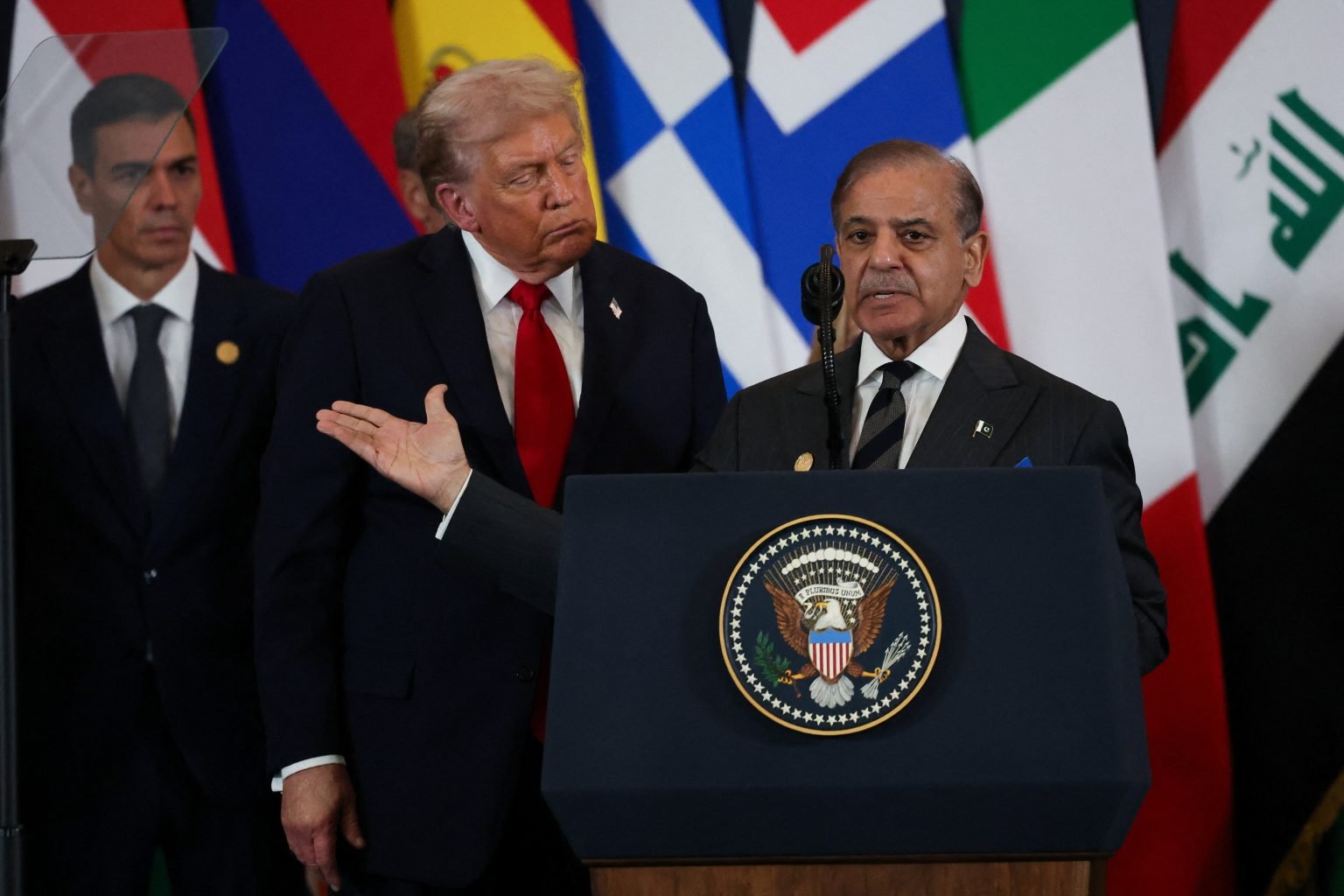
Prime Minister Shehbaz Sharif has further offered to host formal negotiations, should both parties agree. His statement, echoed by Washington, signals a willingness to transition from digital mediation to structured, face-to-face talks if conditions permit.
The broader significance of Pakistan’s involvement lies not only in its geopolitical positioning but also in the method it has employed. This is perhaps the first time in modern history that a country has attempted to mediate a conflict of such magnitude primarily through electronic messaging—compressing diplomatic timelines and enabling continuous engagement without the constraints of geography.
As the conflict continues to evolve, the success or failure of this approach may carry lasting implications for international diplomacy. If effective, Pakistan’s digital mediation could offer a template for managing future crises in an increasingly interconnected world—where wars unfold rapidly, and peace must be negotiated even faster.