



- Thailand oil profiteering Iran war crackdown targets oil marketing companies and traders
- Government uncovers fuel stockpiling, smuggling, and delayed shipments driving shortages
- Record fuel prices spark public outrage amid global energy crisis 2026
- Authorities launch investigations to dismantle oil mafia networks and stabilize supply
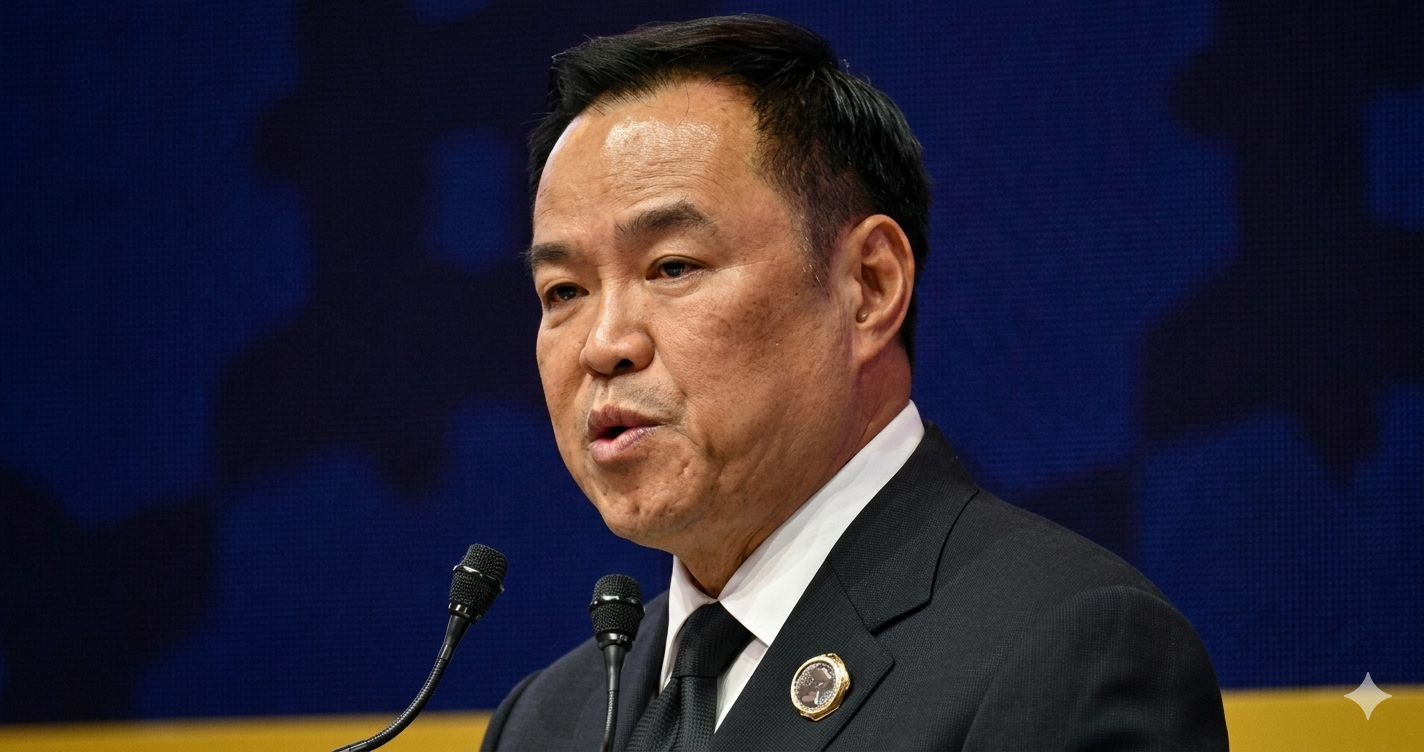
Bangkok, April 4, 2026 — Thailand’s Prime Minister Anutin Charnvirakul has issued a stern warning to oil traders and marketing companies, condemning what he described as “excessive profiteering” linked to the ongoing Iran war and vowing strict action against those exploiting the global energy crisis for financial gain.
In a strongly worded statement on Friday, Anutin accused segments of the oil industry of deliberately manipulating supply chains—through stockpiling, delayed shipments, and smuggling—to inflate prices at the expense of ordinary citizens. The move comes as fuel prices in Thailand soar to record levels, intensifying public anger and economic pressure.
“Authorities have uncovered clear evidence of fuel stockpiling and cross-border smuggling,” Anutin said. “This amounts to excessive profiteering during a global crisis and is a major factor behind the nationwide fuel shortages we are witnessing.”
The Prime Minister directly held oil marketing companies and large-scale traders responsible, warning that the government would not tolerate what he described as an “oil mafia” exploiting wartime volatility. His remarks reflect growing global concerns over price manipulation and supply disruptions following the escalation of conflict in the Middle East.
The crisis traces back to the US and Israeli strikes on Iran February 2026, which triggered widespread instability in global oil markets. Since then, crude oil prices have surged, supply chains have tightened, and inflationary shocks have rippled across economies from Southeast Asia to Europe.
Giorgia Meloni Pushes GCC for Iran War De-escalation Amid Global Energy Crisis
According to Thai authorities, investigations revealed that some fuel shipments were intentionally delayed at sea, allowing traders to benefit from rising retail prices. Other consignments were reportedly diverted for storage or illicit export to neighboring countries where margins were higher.
Thailand’s Justice Minister, Rutthaphon Naowarat, disclosed that more than 57 million litres of fuel went missing during maritime transportation in the country’s southern region—raising serious concerns about systemic corruption and regulatory loopholes.
Thai PM slates oil trader for ‘excessive profiteering’
The Department of Special Investigation has now taken up the القضية as a special case, launching a wide-ranging probe into both land- and sea-based operations linked to fuel hoarding and smuggling networks.
Fuel prices in Thailand have reached unprecedented highs, with gasoline climbing to 57.51 baht per litre and diesel nearing 47.74 baht per litre. The surge has fueled public outrage, with protests and online backlash mounting against what many see as unchecked corporate greed amid a global crisis.
Trending keywords such as global oil prices, energy crisis 2026, Iran war oil impact, and fuel price hike Asia have dominated search engines in recent days, underscoring the widespread concern over the issue.
Thailand’s firm stance is increasingly being viewed as a model for governments worldwide grappling with similar challenges. By directly confronting oil profiteering and holding powerful market players accountable, Bangkok is attempting to stabilize domestic markets and protect consumers from the worst effects of the crisis.
The ripple effects are being felt across Southeast Asia. In Hanoi, authorities have also raised fuel prices sharply, with diesel now reaching $1.80 per litre—an increase of more than 140 percent since late February. Gasoline prices have surged over 28 percent during the same period.
To mitigate the impact, Vietnam has tapped into emergency fuel stabilization funds and scrapped certain environmental taxes, highlighting the extraordinary measures governments are being forced to adopt.
Analysts warn that unless strict regulatory oversight is enforced, artificial shortages and speculative trading could further destabilize already fragile markets. “This is not just a supply issue—it’s a governance issue,” one regional energy expert noted. “Cracking down on manipulation is as important as securing supply.”
As the Iran war continues to disrupt global energy flows, Thailand’s aggressive response signals a broader shift toward accountability in the oil sector. For millions grappling with rising living costs, the message from Bangkok is clear: profiteering in times of crisis will not go unpunished.