


- Giorgia Meloni GCC de-escalation Iran war diplomacy intensifies with urgent Gulf meetings
- Italy seeks support from Saudi Arabia, Qatar, and UAE to reduce regional tensions
- Energy disruptions from Strait of Hormuz crisis threaten European supply chains
- Italy strengthens defense and energy partnerships amid growing global uncertainty
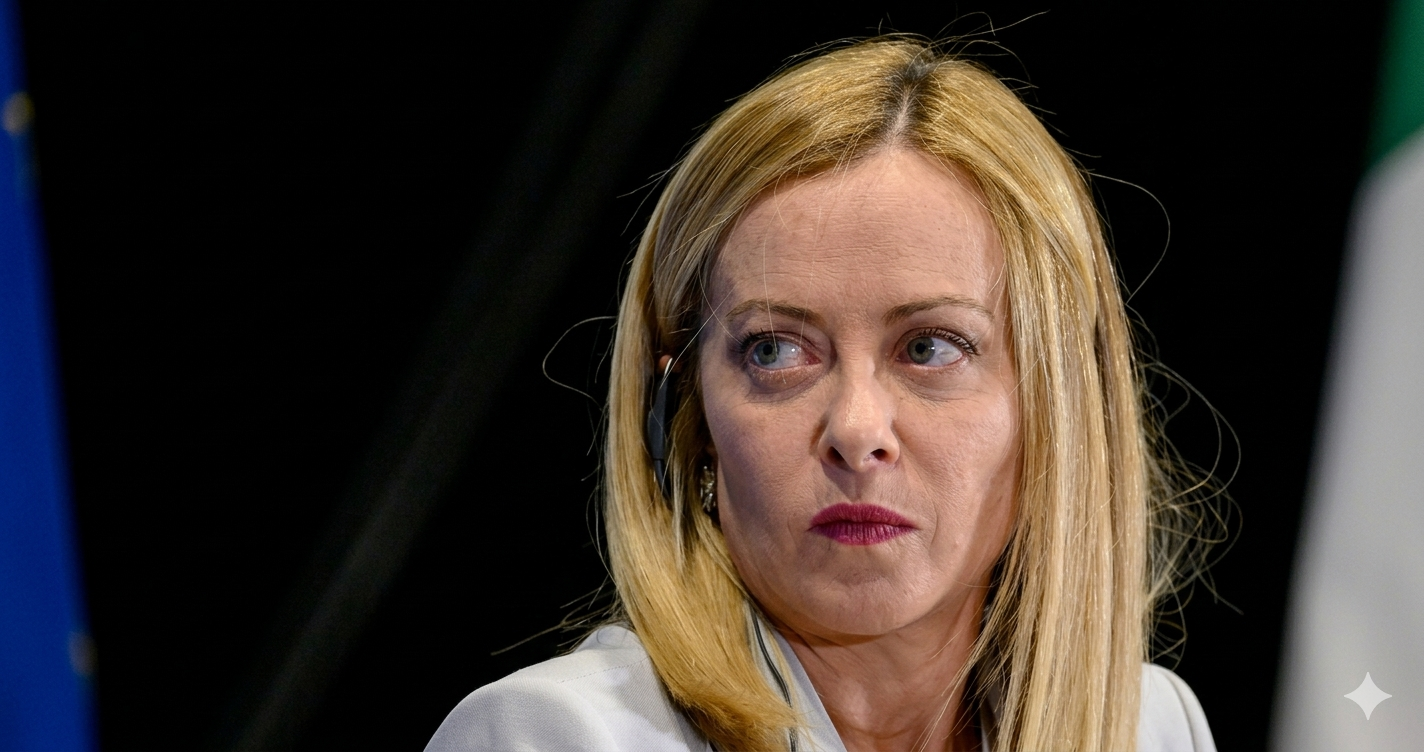
Italian Prime Minister Giorgia Meloni has embarked on a high-stakes diplomatic tour across the Gulf, aiming to rally regional powers toward de-escalation as the war between the United States, Israel, and Iran continues to destabilize global markets and energy supplies. The urgent trip, which began in Jeddah, marks the first visit by a European Union leader to Saudi Arabia since the outbreak of the conflict in February.
Meloni is scheduled to meet Crown Prince Mohammed bin Salman before continuing her diplomatic push in Qatar and the United Arab Emirates. Italian officials describe the visit as a dual-purpose mission: to express solidarity with Gulf Cooperation Council (GCC) states under threat from Iranian retaliation and to persuade regional leaders to support urgent de-escalation efforts.
Iran Rejects Ceasefire Proposal, Escalation Risks Surge Across Global Markets
The Italian leader has emerged as one of the more vocal European critics of the war strategy pursued by Donald Trump, warning that the conflict risks spiraling into a prolonged regional crisis with severe global consequences. Analysts note that Meloni’s stance reflects growing unease within Europe over Washington’s approach, particularly as economic shockwaves ripple across international markets.
Italy’s Meloni visits Saudi Arabia, Qatar and UAE amid Gulf tensions, energy worries
At the center of Meloni’s concerns is energy security. Italy, like much of Europe, has been hit hard by disruptions in Middle Eastern supply chains. Prior to the conflict, roughly 10 percent of Italy’s natural gas consumption depended on Qatari liquefied natural gas, while oil imports from the region accounted for around 12 percent of total supply. However, escalating hostilities near the Strait of Hormuz have severely curtailed shipments, forcing suppliers to halt deliveries and triggering price volatility.
Italian officials confirmed that Qatar has already extended a suspension of LNG shipments, with at least ten cargoes expected to be delayed between April and mid-June. Compounding the crisis, Iranian strikes have reportedly reduced Qatar’s LNG export capacity by nearly 17 percent, further tightening global supply and fueling fears of a prolonged energy crunch.
Clean Tanker Market Gains Momentum as Geopolitical Pressures Reshape Shipping Flows
Meloni’s outreach to Gulf leaders is therefore as much about diplomacy as it is about economic survival. Rome is keen to secure assurances that energy flows can be stabilized, even as the broader geopolitical environment deteriorates. Italian energy giant Eni is expected to reaffirm its long-term investment commitments in the Gulf during the visit, signaling Italy’s intention to remain a key partner in the region despite the instability.
In parallel, Italy has quietly increased its defense cooperation with GCC states, supplying defensive systems to help counter Iranian attacks. Officials indicated that Rome is open to further requests, underscoring a growing alignment between European and Gulf security interests amid the escalating conflict.
Meloni’s Gulf tour follows a recent visit to Algeria, where she sought additional gas supplies to offset losses from the Middle East. Plans are also underway for future trips to Azerbaijan, another critical energy partner, as Italy scrambles to diversify its energy sources.
Meanwhile, alternative supply routes are being explored. Italy is set to begin receiving LNG shipments from the Golden Pass LNG terminal in the United States starting in June, providing some relief to strained reserves. However, experts caution that these measures may not fully compensate for the scale of disruption caused by the ongoing war.
Beyond energy, Meloni’s mission carries broader geopolitical significance. By engaging directly with Gulf leaders, Italy is positioning itself as a mediator advocating restraint at a time when diplomatic channels appear increasingly strained. Her call for de-escalation aligns with growing international pressure to prevent the conflict from expanding into a wider regional war.
Yet the path to de-escalation remains uncertain. With hostilities intensifying and both sides showing little willingness to back down, Meloni’s diplomatic push faces significant challenges. Still, her visit underscores a critical reality: as the war continues to reshape global dynamics, middle powers like Italy are stepping forward in an attempt to contain the fallout and restore a fragile balance.
Whether these efforts will yield tangible results remains to be seen, but for now, the stakes—for Europe, the Gulf, and the global economy—could not be higher.