


- US Aircraft Carriers including the USS Abraham Lincoln are repositioning to the Middle East.
- The deployment follows President Trump’s warnings regarding the crackdown on Iranian protesters.
- Open-source intelligence shows a massive surge in supporting Air Force assets and tankers.
- The buildup mirrors the 2025 military strikes on Iranian nuclear facilities.
In a dramatic escalation that could redefine Middle East geopolitics, U.S. aircraft carriers are reportedly steaming toward Iran, fueling speculation of the largest American military operation in the region since the 2025 strikes on Tehran’s nuclear facilities.
Media reports and open-source intelligence indicate the USS Abraham Lincoln Carrier Strike Group, previously operating in the South China Sea, has abruptly turned west and is expected to enter the U.S. Central Command’s area of responsibility within days.
Accompanied by guided-missile destroyers and potentially a fast-attack submarine, this move comes amid raging protests in Iran and President Donald Trump’s explicit threats to intervene if Tehran continues its crackdown.
EU’s Revolutionary Ukraine Plan: Limited Membership Gambit That Could Reshape European Security
The Lincoln, a Nimitz-class supercarrier with an embarked air wing of F-35C stealth fighters, F/A-18 Super Hornets, and electronic warfare aircraft, represents a formidable projection of U.S. power.
Unconfirmed reports suggest the USS George H.W. Bush may also be en route from Norfolk, potentially doubling the carrier presence and enabling sustained airstrikes. This buildup echoes the prelude to Operation Midnight Hammer in June 2025, when dual carriers supported B-2 bomber strikes on Iranian nuclear sites like Fordow and Natanz.
Davos 2026: Global Geopolitics at a Crossroads: Trump and the New World Order
White House officials have remained tight-lipped, but President Trump’s January 2 post on X warned, “If Iran shoots and violently kills peaceful protesters… the United States of America will come to their rescue. We are locked and loaded.” This followed reports of thousands killed in Iran’s suppression of nationwide demonstrations, which Tehran blames on U.S.-orchestrated “sedition.”
On January 12, Trump imposed 25% tariffs on nations trading with Iran, signaling economic warfare alongside military posturing.
Faisal Islam: Trump’s Greenland threats to allies are without parallel
Monitoring U.S. officials’ profiles reveals a coordinated push. The Department of Defense has not commented directly on ship movements, but recent posts highlight carrier readiness and past strikes on Iranian targets. CENTCOM announced sanctions on Iranian officials for protest violence on January 15, labeling them part of “shadow banking” networks funding repression.
Open-source trackers note surges in U.S. Air Force assets: dozens of C-17 Globemasters and KC-135 tankers heading to Al Udeid in Qatar and Prince Sultan in Saudi Arabia since early January. AC-130J gunships and MQ-4C drones are also deploying, mirroring the 2025 buildup.
Iranian officials are defiant. Supreme Leader Ali Khamenei’s X account accused the U.S. of planning the unrest, declaring Trump “guilty” for casualties and slander on January 17. Iran’s Foreign Ministry echoed this, vowing retaliation and boosting air defenses. Reports of Khamenei’s circle moving assets to Moscow suggest internal paranoia.
European leaders are voicing alarm. EU Commission President Ursula von der Leyen condemned Iran’s “excessive use of force” on January 13, proposing further sanctions on repressors and standing with protesters.
French President Emmanuel Macron has not addressed the carrier movements directly, but his recent calls for Iran’s nuclear compliance and hostage releases underscore transatlantic concerns. NATO’s posts emphasize collective defense, with exercises showcasing carrier integration, though no direct Iran commentary.
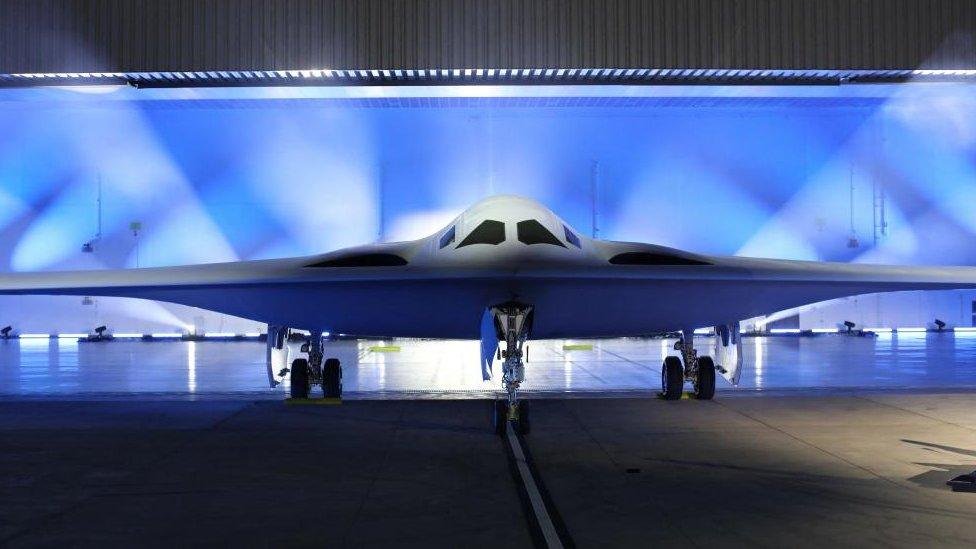
Analysts warn a strike without carriers is “super risky,” but the tanker surge enables B-2 missions from Diego Garcia, where half the U.S. stealth bomber fleet is stationed. With no carriers currently in the Middle East, the Lincoln’s arrival could signal go-time. X discussions highlight Night Stalkers’ involvement, hinting at special ops.
This potential “biggest attack” could target regime infrastructure, but risks massive Iranian reprisals on U.S. bases. Evacuations from al-Udeid and commercial flight halts underscore the peril. As carriers close in, the world watches: will Trump’s rhetoric ignite war, or deter Tehran’s crackdown?
The stakes are existential for Iran’s regime, facing internal collapse and external might. European solidarity bolsters U.S. resolve, but diplomacy’s window narrows. Sources close to CENTCOM whisper “deterrence,” yet the asset flow screams preparation. In this high-stakes chess game, one misstep could unleash chaos.