



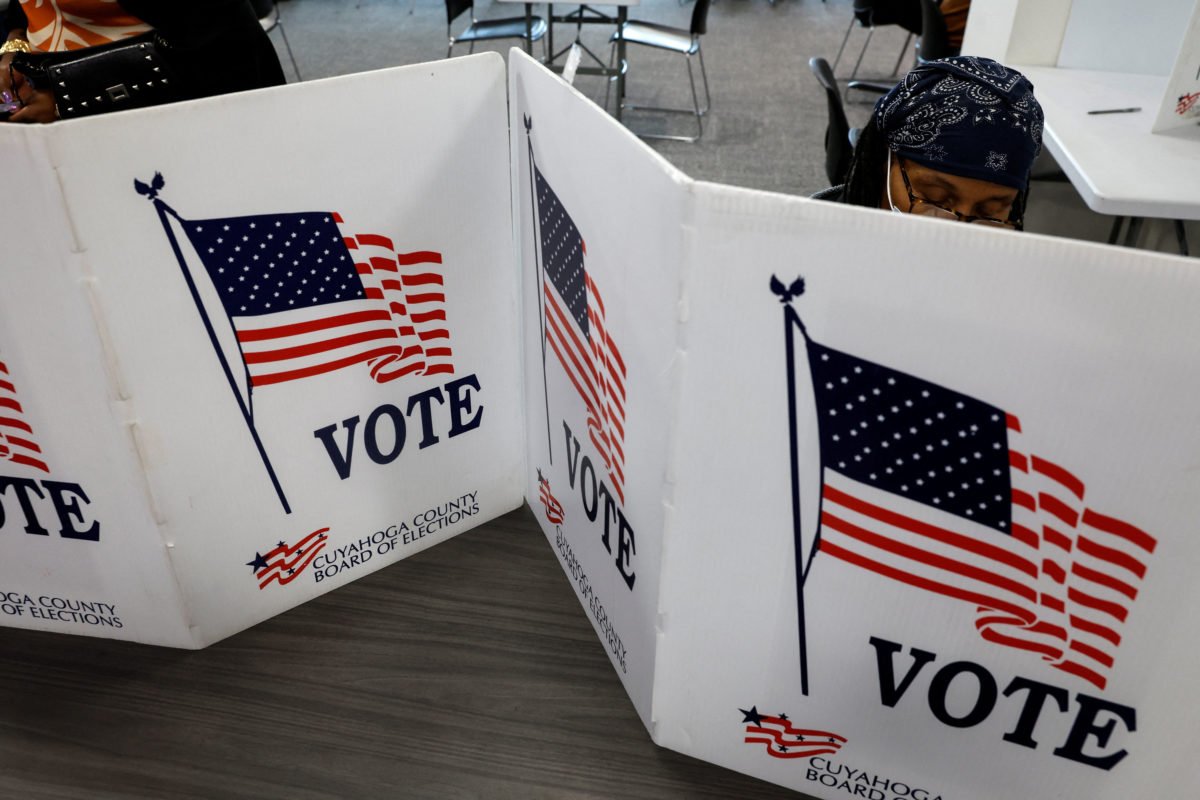
- Trump gracefully accepts the 2026 midterm defeat while asserting the “impervious” constitutional veto to lock down executive governance.
- High energy costs linked to ongoing Strait of Hormuz naval supply disruptions heavily influenced Republican losses at the polls.
- Shifts in foreign policy signal potential recalibrations across strategic partnerships with China, Iran, Israel, and Pakistan.
WASHINGTON — In the immediate aftermath of a midterm election that upended Washington’s balance of power, President Donald Trump delivered a masterclass in political recalibration. Facing a major shift as Democrats secured control of the Senate and positioned themselves to reclaim the House of Representatives, Trump bypassed standard partisan rhetoric. Instead, he offered a graceful acknowledgment of his opponents’ victory while simultaneously asserting an unyielding claim on executive governance.
“I think the Democrats did a good job. I really do. I think they did a good job. They fought hard,” Trump stated during a candid telephone interview with Fox News late Tuesday night.
Yet beneath this posture of humility lay a clear warning to the incoming congressional majority. The President framed the loss not as a retreat, but as the opening chapter of a new era of executive dominance anchored by the constitutional power of the veto.
READ NEXT: Unstoppable Momentum: Why a Trump Midterm Election Victory Is Set to Secure Both Houses of Congress
“It’s one of the stronger powers that a president has,” Trump remarked to Fox News’ Bret Baier. “And they’ll send over things that are insane and I’ll veto them. And after a couple of months of vetoes, they’ll go out and they’ll say, how do we get this stuff done? And we’ll work together… The power of veto is, you know, impervious.”
A Tectonic Shift Driven by Energy and Conflict
The midterm results served as a direct national referendum on two pressing domestic concerns: spiraling inflation and foreign intervention. Central to voter dissatisfaction was the eight-month military conflict with Iran, launched via joint US-Israeli strikes on February 28.
US Midterm Elections Test Trump’s Popularity and Credibility as Voters Demand Economic Relief
The resulting disruptions across the Strait of Hormuz—the maritime chokepoint through which roughly 20% of global oil shipments pass—drove domestic energy prices to historic highs. American consumers felt the economic strain directly at the pump, eroding public support despite initial backing for national security measures.
Trump openly connected the foreign conflict to the election outcome:
“I think a part of it was Iran, but at the same time, people understood the importance of what I’ve done with Iran… People agree with what I’m doing on Iran, but they really probably weren’t willing to do the short-term consequence of paying more for gasoline.”
Former President Barack Obama framed the Democratic victories as a structural turn toward institutional stability. In a statement posted to X, Obama noted, “Tonight, the American people sent a clear message—they want a politics that brings people together rather than divides them, and leaders who offer concrete solutions to the challenges they face.” He urged the incoming Democratic majorities to “prevent further damage and lay the groundwork for the future.”
Trump Reveals Veto Power: Executive Authority in a Divided Government
While loss of bicameral control typically signals a weakened presidency, Trump’s posture indicates a deliberate turn toward executive independence. Under Article I, Section 7 of the U.S. Constitution, overriding a presidential veto requires a two-thirds vote in both the House and the Senate—a threshold rarely achieved in modern partisan politics.
READ MORE: Watch 2026 midterm election results live & key race calls in TX, OH, MI, WI, GA, IA, NV, ME, FL
By positioning the veto as an “impervious” constitutional barrier, Trump transforms a defensive legislative mechanism into a tool of political leverage. Legislative efforts by Democrats to roll back tax policies, increase regulatory oversight, or limit war powers will face immediate executive opposition.
The mechanics of this constitutional standoff dictate that any legislation passed by the newly elected Democratic majority must either achieve broad bipartisan consensus or risk an immediate veto:
-
Congressional Approval: The Democrat-controlled Congress passes sweeping legislative bills.
-
Executive Action: The President applies a presidential veto, creating an executive shield against party-line measures.
-
Supermajority Threshold: Congress attempts a veto override, requiring a two-thirds vote in both the House and Senate.
-
Outcome: If the override fails (<66% vote), the bill dies, forcing legislative compromises; if it succeeds (>66% vote), the bill is enacted into federal law over executive objections.
Rather than signaling permanent gridlock, Trump suggested this dynamic would force eventual bipartisan negotiation: “After a couple of months of vetoes, they’ll call and they’ll say, ‘How do we get this stuff done?’ And we’ll work together.”
Realignment of Foreign Relations
The shift in Congressional control carries immediate implications for U.S. foreign policy across key strategic theaters:
-
China: Pre-midterm bilateral relations were characterized by direct tariff pressure and economic competition. Post-midterm, expect potential pragmatic bilateral trade dialogs as a divided Congress dampens quick unilateral executive tariffs.
-
Iran: Pre-midterm dynamics involved an active military campaign and friction in the Strait of Hormuz. Post-midterm outlook points toward intense War Powers oversight from Capitol Hill and renewed structural pushes for indirect diplomacy.
-
Israel: Pre-midterm policies prioritized direct military alignment and structural defense support. Post-midterm, congressional oversight will likely demand increased scrutiny regarding defense spending and unilateral action.
-
Pakistan: Pre-midterm ties operated through transactional counterterrorism alignment. Post-midterm, policy will shift toward IMF economic stabilization, regional diplomacy, and border management.
1. China-US Ties: Pragmatism Amid Rivalry
Beijing views the Democratic takeover of Congress as an opportunity for greater predictability. While bipartisan consensus remains firm on countering China’s economic influence, a divided U.S. government limits the administration’s ability to enact sudden, unilateral tariff escalations without legislative review. This structural check creates room for stabilized bilateral dialogue focused on trade mechanics and supply chain resilience.
2. US-Iran Relations: De-escalation Pressures
With Democrats assuming oversight of foreign affairs and armed services committees, the war with Iran faces immediate legislative scrutiny. Congressional leaders are expected to push for formal War Powers Resolution debates, leveraging budgetary control to mandate clear diplomatic roadmaps. Indirect negotiations mediated by regional partners will likely accelerate as the administration balances executive authority with legislative oversight of war funding.
3. US-Israel Bilateral Dynamics
The election outcome introduces new variables into the Washington-Tel Aviv relationship. Democratic majorities historically demand greater conditionality on military assistance and closer alignment with international diplomatic frameworks. Furthermore, Trump’s recent public suggestion regarding evaluating aid structures signals a potential transition toward a more transactional defense relationship.
4. US-Pakistan Relations: Regional Stabilization Focus
For Islamabad, a divided Washington shifts focus toward regional economic and security stability. Congress will likely emphasize structured economic assistance, support for IMF stabilization programs, and institutional counterterrorism cooperation. Pakistan’s strategic position relative to both Tehran and Beijing makes it a key partner for diplomatic balancing in South and Central Asia.
Executive Authority in the Midterm Era
The midterm elections demonstrate the enduring flexibility of the American constitutional framework. While voters reshaped the legislative branch, the presidency retains its core structural powers. Donald Trump’s transition from campaign rhetoric to constitutional defense underscores a central reality of U.S. governance: political authority is defined not only by legislative majorities, but by the strategic application of executive power.