



- Iran stands at a historic crossroads as internal protests and external pressures create a “perfect storm” for the regime.
- The capture of Nicolás Maduro has sent shockwaves from Caracas to Havana, signaling a new era of accountability.
- U.S. “Donroe Doctrine” strikes and unpredictable diplomacy have fundamentally shifted the risk for global dictators.
- Humanitarian crises are no longer being suffered in silence; they are becoming the primary fuel for active revolution.
There’s a certain electricity that runs through a crowd on the edge of change. You can feel it before you see it—an undercurrent, a vibration, a pulse that says the old world is cracking. Across Iran, Venezuela, and Cuba, that pulse has grown into something louder, something that sounds a lot like a people remembering their own power.
And in the middle of this global tremor, many protesters and commentators keep pointing to one unexpected catalyst: a U.S. president whose confrontational posture, unpredictable strikes, and refusal to play by diplomatic etiquette have—at least in their eyes—reshaped the landscape of authoritarian power.
The Truth Behind “Operation Absolute Resolve” and the Petrodollar Collapse
Whether one agrees with them or not, the perception is unmistakable: some people believe Donald Trump has become a symbol of disruption, a figure whose actions have emboldened movements that once felt doomed to silence.
Iran: The Streets Where Fear Cracked First In Iran, the protests don’t feel like isolated events anymore. They feel like a drumbeat. A rhythm. A rising tide that refuses to recede.
Iran’s Pezeshkian pledges economic overhaul amid spiralling protests
Young people chant in alleyways lit only by burning trash bins. Mothers bang pots from balconies. Shopkeepers whisper that the country feels different this time—more brittle, more exposed. The humanitarian strain is everywhere: empty pharmacies, soaring prices, families rationing bread like it’s wartime.
And yet, amid the hardship, there’s a strange kind of hope. Some Iranians speak openly—quietly, but openly—about how U.S. pressure has cornered the regime in ways they never thought possible. Analysts on satellite channels say the same thing: that sanctions, strikes, and diplomatic isolation have shaken the confidence of leaders who once seemed untouchable.
South Asia Daily Briefing
Whether that’s true or not, the belief itself is powerful. Belief is fuel. Belief is oxygen.
Venezuela: A Nation That Forgot How to Breathe Venezuela’s collapse has been a slow-motion tragedy—one long enough that people learned to live inside it. But when the U.S. captured Nicolás Maduro, the shockwave was immediate. Streets erupted. Some cried. Some laughed. Some simply stared at their phones, unable to believe what they were seeing.
Humanitarian suffering had already hollowed out the country: hospitals without medicine, children fainting in school from hunger, entire neighborhoods living by candlelight. But the removal of a leader many blamed for their suffering created a new narrative—one where outside pressure could actually topple a regime that had survived every internal challenge.
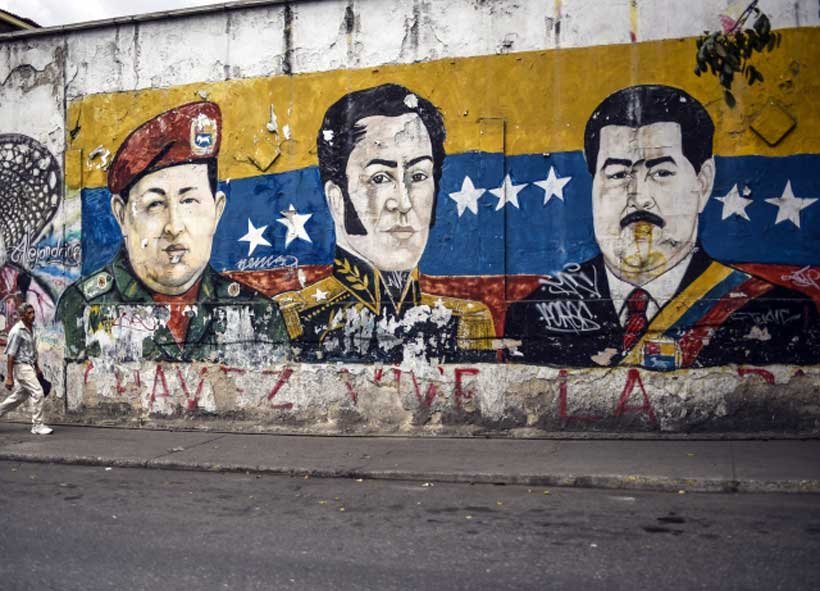
Commentators across Latin America said the same thing: that the move signaled a new era, one where authoritarian governments could no longer assume immunity. Protesters in Caracas painted murals of broken chains. They spoke of a “continental awakening.” They said the world finally felt like it was shifting in their direction.
Cuba: The Island Where Whispers Became Shouts Cuba’s protests have always carried a different weight. Decades of silence don’t break easily. But in recent years, the island has seen something it hasn’t witnessed in generations: crowds chanting openly against the government, demanding food, electricity, and dignity.
The humanitarian crisis is undeniable—rolling blackouts, medicine shortages, and a population exhausted by scarcity. But what’s new is the tone. The defiance. The refusal to shrink back into fear.
Some Cubans say the fall of Maduro sent a message across the Caribbean. Others point to U.S. pressure as a sign that the old alliances propping up Havana are weakening. Whether those interpretations are accurate or not, they’ve become part of the island’s emotional landscape—a story people tell themselves to stay brave.
And bravery, once sparked, spreads like wildfire.
A World Tilting Toward Something New Across these nations, the common thread isn’t ideology—it’s momentum. A sense that history is no longer frozen. A belief, held by many, that the world’s most entrenched regimes are finally showing cracks.
And in the conversations of protesters, in the chants echoing through streets, in the graffiti scrawled on walls, one theme keeps resurfacing: the idea that Donald Trump’s confrontational approach has given them a sense of possibility they didn’t have before.
Not everyone agrees with that interpretation. Analysts debate it. Politicians argue over it. But the perception itself matters. Perception shapes courage. Courage shapes movements. Movements shape nations.
Right now, the world is watching a rare moment when people who once felt powerless are daring to imagine something different. Something freer. Something bold.
Revolutions don’t begin with certainty. They begin with a spark.
And across Iran, Venezuela, and Cuba, that spark is catching.