



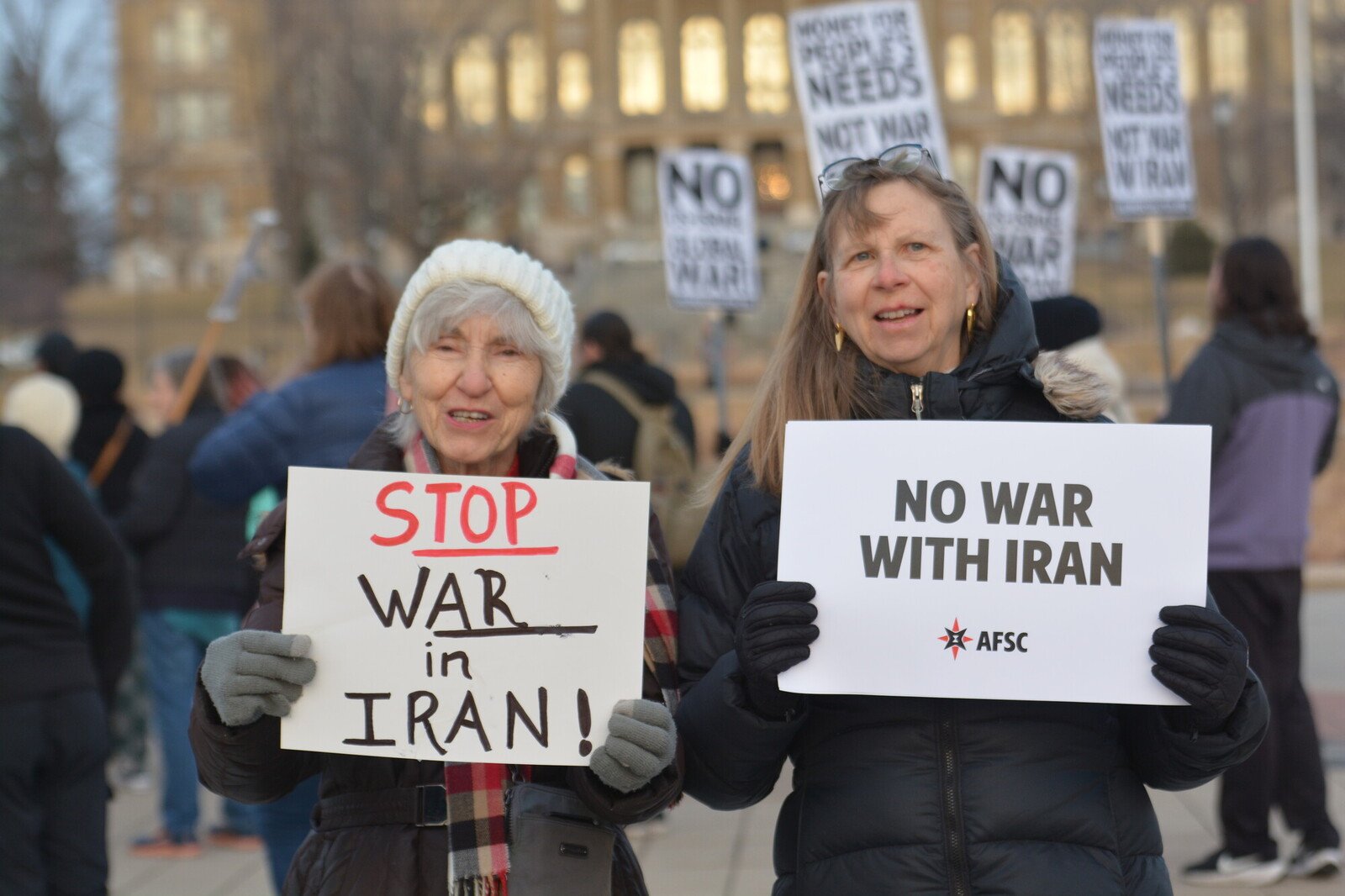
- Iran War: The conflict involving the United States, Israel, and Iran has escalated into a multi-front regional war, with missile strikes, proxy battles, and military operations across several Middle Eastern countries.
- Despite its intensity, the conflict has not yet reached the threshold of a global war, as major powers such as China and Russia have not militarily intervened and NATO has not mobilized collectively.
- Fighting now spans Iran, Iraq, Syria, Lebanon, Israel, and key maritime routes, raising concerns over regional stability and the security of global shipping lanes.
- The potential involvement of Kurdish armed groups could significantly alter the battlefield, introducing a powerful ground force and complicating regional dynamics.
The conflict involving the United States, Israel, and Iran has entered a dangerous new phase—one defined by missile barrages, crossborder strikes, and a widening constellation of armed actors. It is now unmistakably a regional war. But despite the scale of violence and the number of fronts involved, it has not yet crossed the threshold into a true world war. The distinction matters, because understanding what the conflict is helps clarify what it could still become.
Iran War: A Region Engulfed, Not a World Mobilised
The fighting today spans Iran, Iraq, Syria, Lebanon, Israel, and the waters stretching from the Red Sea to the Indian Ocean. Iran has launched repeated waves of missile and drone attacks against Israel and U.S. positions, while the United States and Israel have struck Iranian military sites and proxy forces across the region. On the sixth day of coordinated U.S.–Israeli operations, Iran reported more than 1,000 casualties and thousands more wounded, underscoring the intensity of the campaign.
Iran has also threatened global shipping in the Strait of Hormuz, and a U.S. submarine recently sank an Iranian warship off Sri Lanka—an incident that underscores how far the conflict’s ripples can travel without transforming into a global war.
Iran Ballistic Missile Strike in Azerbaijan Sparks Fury as Baku Vows Retaliation
Yet even with these farreaching consequences, the world’s major powers have not mobilized. China and Russia are watching closely but have not committed forces. Europe is not preparing for collective defense. Global economies are strained but not reorganizing for wartime production. The conflict is explosive, but it remains geographically and militarily contained within the Middle East.
The Kurdish Dimension: A Ground Force With Strategic Weight
One of the most consequential developments is the renewed focus on Kurdish armed groups. Spread across Iran, Iraq, Syria, and Turkey, the Kurds are the world’s largest stateless ethnic group, long marginalized and long entangled in the region’s power struggles.
Iran has launched operations targeting Kurdish groups in Iraq’s semiautonomous region, accusing them of collaborating with the United States and Israel. These strikes have coincided with Iran’s broader missile and drone campaign, marking the 19th wave of Iranian attacks since the conflict escalated.
US-Iran War Escalation: Trump Finalizes Ground Strategy as Middle East Conflict Widens
At the same time, multiple reports indicate that the United States is considering arming Iranian Kurdish opposition groups based in Iraq—groups that have waged a lowlevel insurgency against Tehran for years. Other reporting suggests the CIA is already working to arm Kurdish forces to foment a popular uprising inside Iran. Times Now
If Kurdish fighters formally enter the conflict on the ground—whether in Iran, Iraq, or Syria—they could reshape the battlefield. They know the terrain, they have longstanding grievances with Tehran, and they have a history of aligning with U.S. interests when those interests converge.
Their involvement would not globalize the war, but it would deepen and complicate the regional map, potentially triggering reactions from Turkey, which views empowered Kurdish groups as a direct national security threat.
Why This Is Not Yet a World War
A world war requires more than global attention—it requires global mobilization. Several conditions that would signal such a shift have not been met:
- No major power has deployed troops. Russia and China remain on the sidelines militarily.
- NATO is not mobilizing. The United States is engaged, but Europe is not preparing for joint operations.
- The conflict remains geographically bounded. Even with incidents as far as Sri Lanka, the fighting is tied to Middle Eastern dynamics.
- Global economies are not shifting to wartime footing. Markets are volatile, but supply chains are not being militarized.
The world is watching, but it is not yet participating.
Where Escalation Could Come From
The danger lies not in what the conflict is today, but in what it could become if certain actors cross their red lines. Several pathways could pull additional countries into the fight:
- Lebanon: Hezbollah’s full entry would open a major northern front against Israel.
- Syria: Iranian forces operate freely there; expanded U.S. or Israeli strikes could draw Damascus in.
- Iraq: Iranianbacked militias are active, and U.S. forces remain stationed there—one miscalculation could escalate rapidly.
- Saudi Arabia and the Gulf States: A direct Iranian strike on their territory could force them into the conflict.
- Turkey: Kurdish mobilization on the ground could trigger Turkish intervention.
- Russia or China: While unlikely to commit troops, either could escalate diplomatically or economically if the U.S. expands operations.
Each of these actors has its own strategic calculus, and the risk lies in how close the current conflict is drifting toward their thresholds.
A Conflict at the Edge of Something Larger
The Middle East has long been a crossroads of global power, and today’s conflict reflects that reality. But the world is not mobilizing for war. Instead, major powers are maneuvering to avoid being pulled in while still shaping outcomes from the sidelines. That is the hallmark of a regional conflict with global implications—not a world war.
The risk, however, is real. A single miscalculation—an errant missile, a masscasualty strike, a collapse of Iranian leadership, or a Kurdishdriven escalation inside Iran—could trigger a chain reaction. The question now is whether the region’s actors can keep the war contained, or whether the next escalation pushes it beyond the Middle East entirely.