



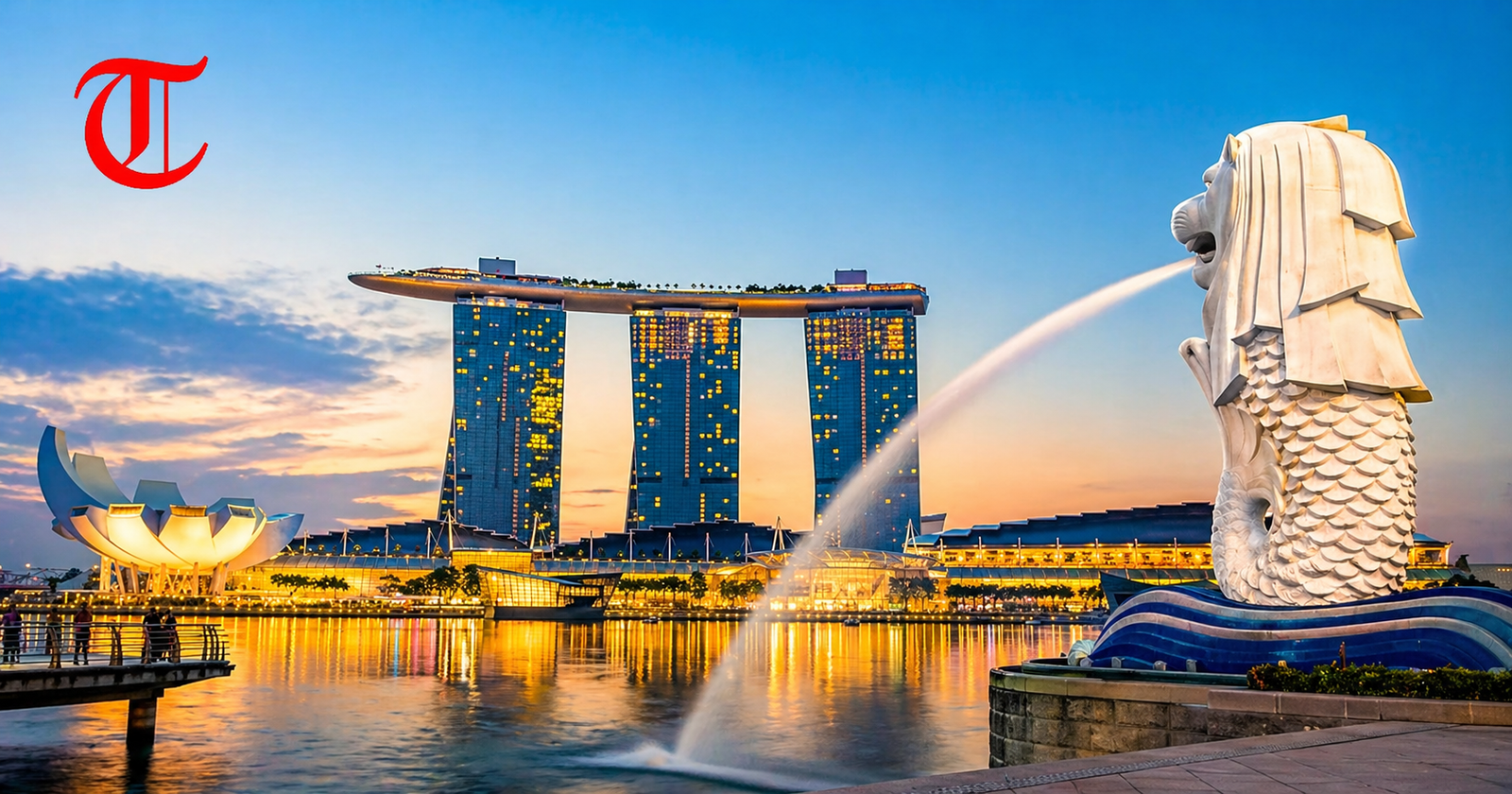
- Singapore energy strategy pivots to hydrogen-ready power plants to secure long-term electricity supply amid global oil disruptions.
- Energy Market Authority plans 1.8GW new capacity by 2032 to meet rising industrial and digital demand.
- Hydrogen expected to supply up to 50% of Singapore’s energy needs by 2050 under national strategy.
- Analysts praise proactive policies as a global model for energy security and sustainability.
As global energy markets reel from the fallout of the closure of the Strait of Hormuz amid escalating tensions between the United States and Iran, energy-importing nations are being forced to rethink their long-term strategies. Among them, Singapore has emerged as a forward-looking example, moving decisively to secure its future energy needs through innovation, diversification, and strategic planning.
At the center of Singapore’s response is a major push toward hydrogen-ready power infrastructure. The country’s energy regulator, the Energy Market Authority (EMA), has launched an ambitious initiative to build up to three new hydrogen-compatible gas power plants by 2032. This move is not merely reactive to current geopolitical disruptions but reflects a calculated effort to future-proof the nation’s energy mix.
Under the plan, one new combined cycle gas turbine (CCGT) plant is expected to be operational by 2031, followed by two more in 2032. Each facility will have a capacity of at least 600 megawatts, contributing a combined 1.8 gigawatts to the national grid. By 2032, Singapore could have at least 11 hydrogen-ready power plants, forming a robust backbone for its electricity supply.
Strait of Hormuz Impact on Singapore: Energy Shock Threatens Asia’s Trade Lifeline
The rationale behind this expansion is clear. Singapore’s electricity demand is rising steadily, driven by energy-intensive sectors such as semiconductors, artificial intelligence, and data centers. According to EMA projections, peak electricity demand could reach up to 11.4 gigawatts by 2031, up from around 8 gigawatts in 2025. This surge underscores the urgency of ensuring reliable and scalable power generation.
Hydrogen-ready plants represent a critical bridge between present needs and future sustainability goals. While these plants will initially run on natural gas, they are engineered to transition toward hydrogen as the technology matures and becomes economically viable. Hydrogen, unlike fossil fuels, produces no carbon dioxide when burned, making it a key pillar in Singapore’s decarbonization strategy.
Singapore Exports to Australia Surge as Energy Crisis Strengthens Strategic Trade Ties
Singapore’s 2022 National Hydrogen Strategy envisions low-carbon hydrogen meeting up to 50 percent of the country’s power needs by 2050. The current push for hydrogen-compatible infrastructure is therefore aligned with long-term climate objectives as well as immediate energy security concerns.
The government has also introduced strict efficiency and sustainability requirements. Since 2024, all new and repowered gas plants must be at least 10 percent more efficient and capable of using a fuel mix containing at least 30 percent hydrogen in the future. This ensures that today’s investments remain relevant in a low-carbon tomorrow.
Oil Prices Surge Iran War: Singapore, Japan and China Brace for Shock as Trump Ultimatum Nears Deadline
Analysts and experts have widely praised Singapore’s proactive approach. Mustansar Klasra, an Islamabad-based assistant professor of defense and strategic studies, noted that Singapore has effectively taken the lead in adapting to a rapidly changing global energy landscape. He emphasized that other countries should follow suit, particularly those heavily dependent on imported fossil fuels.
Despite its push toward cleaner energy, Singapore acknowledges that natural gas will remain a crucial component of its energy mix in the near term. Currently, about 93 percent of its electricity is generated from natural gas. Even by 2035, the country expects gas to supply more than half of its power needs. However, the integration of hydrogen-ready systems ensures a smoother transition away from carbon-intensive fuels.
Singapore plans to build up to three more hydrogen-ready natural gas power plants by 2032
Beyond hydrogen, Singapore is exploring multiple avenues to enhance energy resilience. These include importing low-carbon electricity, expanding solar capacity, and even studying the feasibility of nuclear energy. Such diversification reduces vulnerability to external shocks like the recent disruption in global oil flows.
The ongoing crisis in global energy markets has exposed the risks of overreliance on traditional energy routes and sources. Singapore’s response demonstrates how strategic foresight, technological adaptation, and policy coordination can turn a crisis into an opportunity.
In a world increasingly shaped by geopolitical uncertainty and climate imperatives, Singapore’s energy strategy offers a compelling model. By investing in hydrogen-ready infrastructure today, it is not only safeguarding its own future but also setting a benchmark for how nations can navigate the complex transition toward sustainable and secure energy systems.