



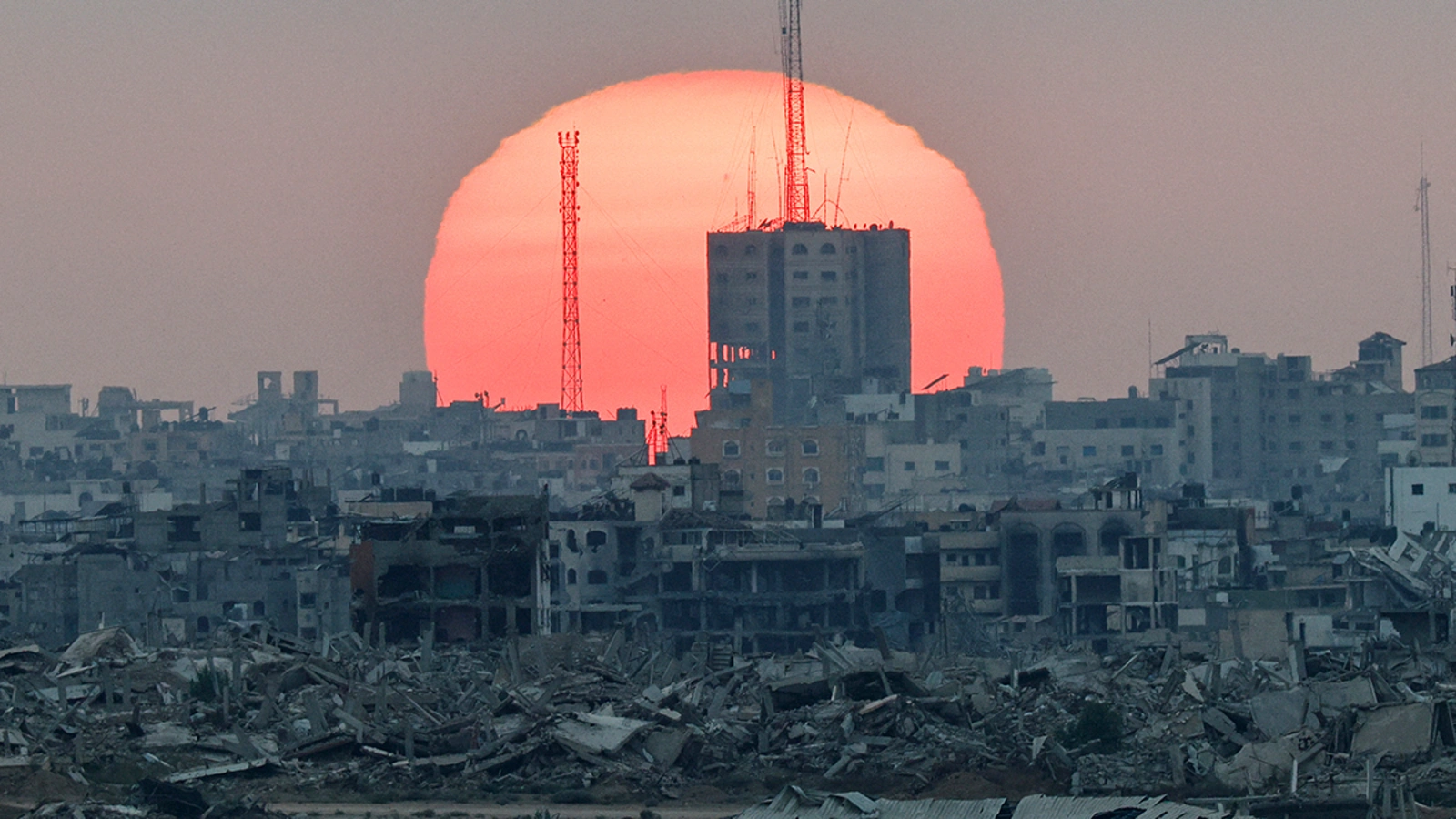
- Israel’s strikes in Gaza, Lebanon, Yemen, Syria, Iran, and Qatar have alienated regional partners.
- The Abraham Accords are unraveling as Arab publics reject normalization with Israel.
- European countries are increasingly recognizing Palestine, isolating Israel further.
- U.S. credibility is eroding as unconditional support for Israel undermines regional influence.
For decades, Israel maneuvered cautiously in the Middle East, presenting itself as a partner for Arab states that feared Iran and Islamist movements. With U.S. backing, it framed itself as a stabilizing force and a useful counterweight to Tehran. But that narrative is unraveling. Israel’s war in Gaza, coupled with an increasingly expansionist military doctrine, has not consolidated its regional position—it has isolated it. Where once Arab states sought cooperation with Tel Aviv, they now regard it as a destabilizing threat.
The turning point came after the October 7, 2023, Hamas attacks and Israel’s devastating response. Rather than limit its campaign to Gaza, Israel broadened its military actions, striking Lebanon, Syria, Yemen, Iran, and even Qatar—where Hamas negotiators were based. That last strike was particularly jarring. Qatar, a U.S. ally and mediator, suddenly found itself treated as a battleground. For Gulf capitals, the message was clear: Israel no longer respects regional sovereignty. Far from being a partner, it has become a liability.
Trump’s 72-Hour Ultimatum to Hamas: A High-Stakes Gamble That Could End the Gaza War
Instead of consolidating power, Israel is unraveling old partnerships. Egypt, which signed a peace treaty in 1979 and maintained careful cooperation ever since, has begun to recalibrate. In September, President Abdel Fattah al-Sisi publicly labeled Israel an “enemy”—a striking rhetorical break after decades of restraint. Turkey, which only recently restored ties, has again suspended trade and closed its airspace. Saudi Arabia, once under U.S. pressure to normalize, now hesitates not just because of domestic opinion but also because Israel looks increasingly reckless. Even the United Arab Emirates, long Israel’s closest Gulf partner, has absorbed reputational costs for maintaining the Abraham Accords as Gaza burns.
This backlash is not confined to the region. Israel has been jolted by a wave of international recognition of Palestine. Several European governments, long reluctant to act independently of Washington, have begun upgrading Palestinian diplomatic status. For Israel, which counted on normalization as inevitable, this trend is deeply unsettling: the more it bombs Gaza, the more momentum gathers behind Palestinian statehood.
READ MORE: The Middle East That Israel Has Made
The strategic costs are even greater. States once willing to tolerate Israel’s rise are now diversifying their defense partnerships and investing in their own autonomy. Saudi Arabia is working with China on missiles, the UAE has turned to France and South Korea for defense technology, Qatar is embedding itself in European security frameworks, and Turkey is fielding its own “Steel Dome” missile defense system designed with Israel in mind. These moves reflect a common calculation: Israel cannot be trusted, and American protection comes with too many political risks.
The irony is stark. For years, Israeli leaders celebrated the Abraham Accords as proof that Arab states were willing to set aside the Palestinian issue in pursuit of shared interests. But the Gaza war has reversed that logic. Today, normalization is politically toxic. Public opinion across the Arab world has hardened: Arab Barometer surveys show that support for ties with Israel has plummeted to single digits. Leaders who once flirted with normalization now see association with Israel as a threat to their legitimacy at home.
RELATED: Trump’s Gaza Peace Plan: A Bold Promise, or Another Mirage of Middle East Diplomacy?
Even rivalries are softening in response. Turkey and Egypt, bitter competitors for years, have conducted joint naval drills. Saudi Arabia and Turkey, historically at odds, now share an interest in containing Israel’s destabilizing role. Meanwhile, the Saudi-Iran détente brokered by China in 2023 shows how states are seeking stability by working around Israel rather than with it. Where once Israel was cast as a bulwark against Iran, it is increasingly viewed as a catalyst for instability.
The United States risks being drawn into this backlash. Washington’s uncritical support for Israel erodes its credibility across the region. Arab leaders who tolerated normalization for the sake of American favor are recalculating. If Israel is a liability, then so too is U.S. policy that shields it. Already, Arab publics widely view Washington as complicit in the devastation in Gaza. Unless U.S. policymakers correct course, American influence will continue to erode, pushing states closer to Europe, China, and Russia.
Israel’s leaders insist that their policies are about security. Yet the dividends are disappearing. Instead of crushing Hamas, Israel has revived global sympathy for Palestine. Instead of strengthening alliances, it has alienated them. Instead of isolating Iran, it has convinced its neighbors that Israel itself is the greater menace.
For Washington, the lessons are clear. If the United States wants to preserve influence in the Middle East, it must confront the costs of its unconditional support for Israel. That means restraining Israel’s expansionist policies, pressing for an immediate cease-fire in Gaza, and anchoring U.S. strategy in a credible path toward Palestinian statehood. Anything less risks cementing a regional order where Israel is isolated, America is distrusted, and new powers fill the vacuum.
Israel sought to recast the region in its favor. Instead, it has made itself a pariah and turned its allies into adversaries. Unless Washington recognizes the new reality, both Israel and the United States will face a Middle East where their influence is rapidly diminishing.