



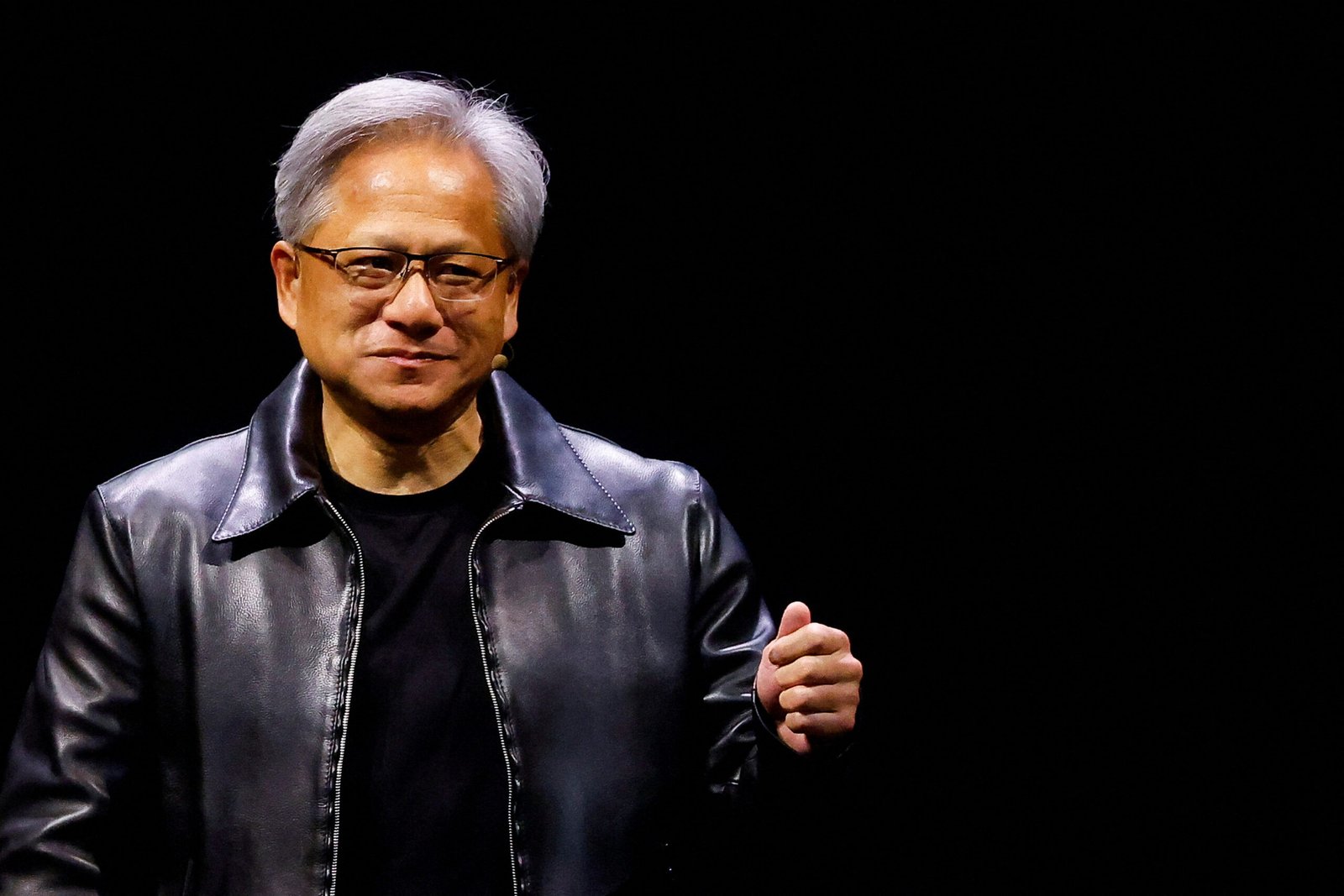
- Nvidia Spy Scandal exposes critical vulnerabilities in corporate governance after an alleged espionage affair involving CEO Jensen Huang and a suspected Chinese intelligence operative.
- The WSJ Editorial Board criticized the chipmaker’s structure in their piece titled “Nvidia Gets a Chinese Honeypot Lesson,” highlighting the risks of a chairman-less board, family staffing, and a lack of named succession plans.
- President Trump defended the embattled CEO, asserting that Huang was unaware of the individual’s intelligence ties and framing the incident as a targeted trap set by foreign actors.
At the absolute pinnacle of global artificial intelligence and semiconductor manufacturing, Nvidia finds itself cornered by a crisis that transcends traditional corporate boardrooms. The world’s most consequential tech titan has been shaken to its core by an alleged espionage scandal involving Chief Executive Jensen Huang and an individual suspected of operating within a foreign intelligence apparatus.
Serving as the primary engine behind the global AI revolution, Nvidia’s hardware underpins everything from cutting-edge generative models to critical national security infrastructure. Yet, this high-stakes dominance has been severely undermined by an unfolding intelligence breach, forcing international markets and security analysts to confront a sobering reality: how deep into the corporate anatomy did foreign intelligence penetrate, and did secrets leak via a classic honeytrap?
The Anatomy of an Alleged Espionage Operation
The controversy ignited when investigations brought to light an intimate relationship between Jensen Huang and Alice Huang, an executive linked to chip-buying firm Megaspeed. U.S. counterintelligence officials and security analysts have increasingly focused on the vectors through which foreign adversaries attempt to bridge their technological deficit.
READ NEXT: US-China Nvidia Chip Diplomacy: How Washington’s Advanced Chip Reshapes Geopolitics From the Caucasus to Beijing
For years, Beijing has engaged in a relentless campaign to acquire advanced semiconductor design logic, proprietary GPU architecture, and cutting-edge lithography blueprints.
By targeting key executives at elite American firms, foreign operatives have frequently sought to bypass stringent export controls and trade restrictions. While audits and independent board investigations continue to determine the exact extent of any data compromise, the sheer proximity of a chief executive to a suspected intelligence asset represents a monumental security failure. The core question haunting Washington and Wall Street is whether proprietary AI secrets were extracted during the course of the relationship, giving competing states a backdoor into American technological superiority.
Nvidia’s Governance Vacuum and the WSJ Verdict
Beyond the immediate geopolitical shockwaves, the scandal has laid bare profound internal structural flaws at Nvidia. As the editorial board of The Wall Street Journal starkly highlighted in their appraisal titled “Nvidia Gets a Chinese Honeypot Lesson”, the episode serves as an indictment of personalized corporate governance. For years, Nvidia’s astronomical valuation and technological triumphs were inextricably tied to the visionary, outsized leadership of Jensen Huang.
READ MORE: The Spy Scandal That Lays Bare Nvidia’s Governance Vacuum
However, this reliance created a brittle institutional ecosystem: a chairman-less board structure, a glaring absence of formally named executive succession plans, and a closed management circle where familial ties and close personal associates intertwine with high-level corporate operations. When the scandal broke, the absence of independent institutional buffers left the company exposed and paralyzed. Investors absorbed an immediate shock as shares plunged, illustrating that when a multi-trillion-dollar enterprise operates entirely around a singular charismatic figure without robust corporate oversight, personal missteps instantly morph into systemic risks for global financial markets.
Washington’s Tightrope: Defense Hawks vs. Presidential Defense
The fallout has immediately triggered fierce political crosscurrents in Washington, pitting national security hardliners against administration allies. President Trump publicly addressed the unfolding crisis, offering a defense of the embattled CEO by asserting that Jensen Huang was unaware of Alice Huang’s alleged intelligence affiliations at the time. The president framed the situation as a calculated foreign trap designed to target a vital American ally in the fierce geopolitical technology race.
Conversely, congressional leaders and defense committees are taking an uncompromising stance. Lawmakers are launching rigorous bipartisan inquiries into how major defense and tech contractors vet their supply chain partners and executive associates. The intersection of corporate autonomy and national security has become a primary battleground, with legislators demanding stringent oversight over how tech giants manage foreign commercial interactions.
Nvidia Spy Scandal: International Repercussions
For international readers and market observers, the Nvidia scandal marks a watershed moment. Silicon Valley can no longer treat geopolitics and industrial espionage as peripheral concerns secondary to market expansion. The era of unchecked globalization—where technological interdependence superseded national security boundaries—is rapidly closing.
As Nvidia works to restore investor confidence, overhaul its governance framework, and harden its defenses against sophisticated intelligence operations, the broader technology sector is forced into a painful reckoning. The lesson delivered to Nvidia is universal: in an era where artificial intelligence dictates geopolitical power, corporate governance is no longer just a matter of shareholder returns—it is a frontline matter of national sovereignty.