



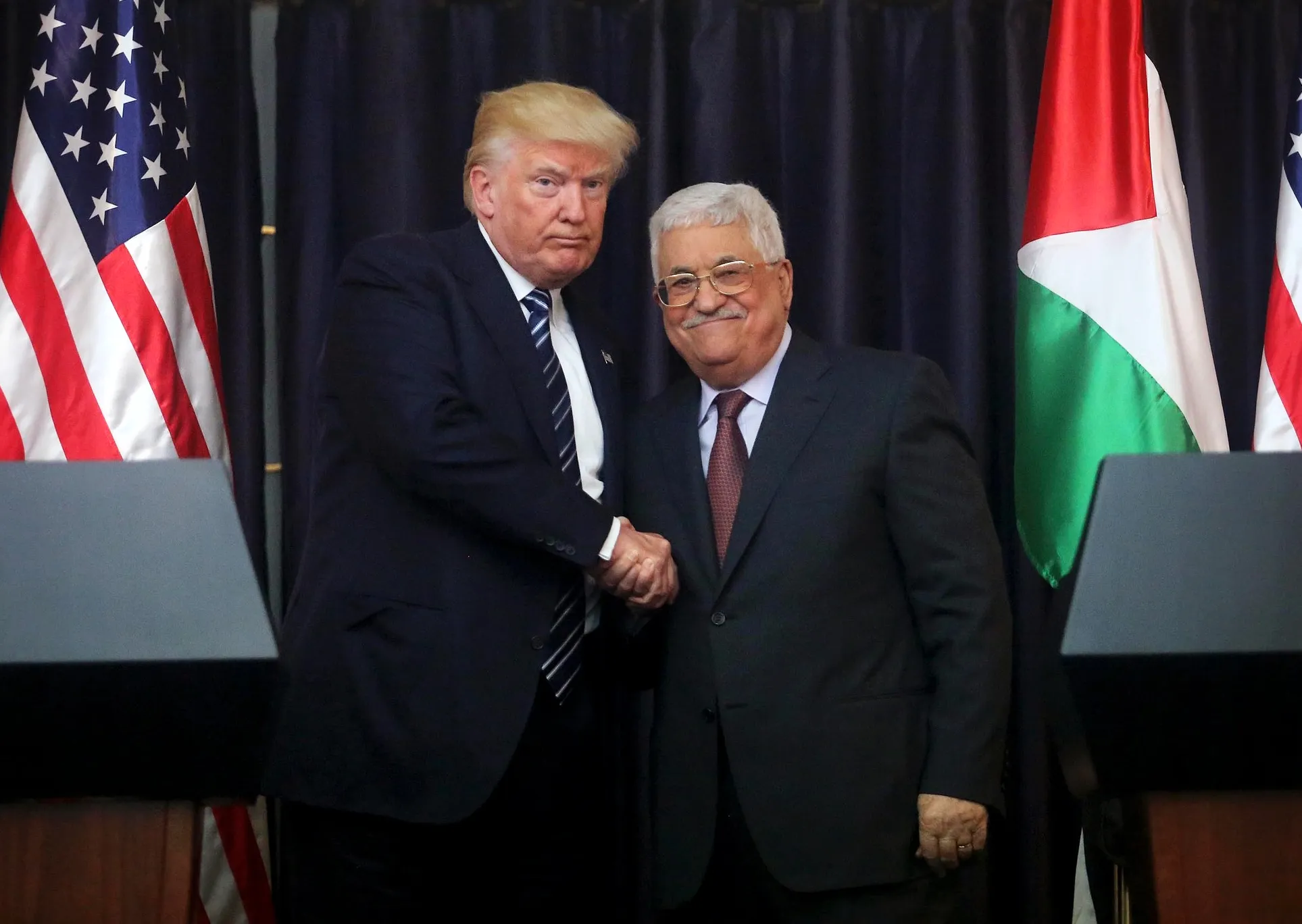
- Trump’s “Board of Peace” excludes Palestinian leadership, weakening legitimacy.
- Billions pledged for Gaza reconstruction risk foreign profiteering.
- International peace force lacks a blueprint; risks seen as occupation.
- Israel retains de facto control while two-state solution is sidelined.
- Without Palestinian self-determination, peace may be only an illusion.
President Donald Trump has once again thrust himself into the center of Middle East diplomacy, unveiling what he calls a historic “peace plan for Gaza.” Marketed as bold, swift, and practical, the plan promises reconstruction, security, and international cooperation on a scale unseen in decades. It has the backing of regional heavyweights, European powers, and even several Islamic states, with Iran as the predictable outlier.
Yet beneath the sweeping promises lies a troubling reality: Palestinians themselves were largely excluded from shaping this deal. Hamas claims it only received the plan after its publication. Palestinian civil society sees little recognition of their demand for self-determination. And the broader Arab world, asked to pour money and manpower into Gaza’s reconstruction, is left uneasy about the absence of a roadmap toward political justice.
The Promise: Money, Muscle, and Momentum
On the surface, Trump’s plan looks formidable. It is endorsed by nearly all major governments in the Middle East. Billions of dollars in reconstruction aid are pledged, alongside commitments for an international stabilization force. A new “Board of Peace,” chaired by Trump himself and featuring international statesmen like Tony Blair, would oversee the mission.
The plan embeds itself into the larger architecture of the Abraham Accords, building on normalization deals struck between Israel and Arab states. The implicit message is clear: Gaza is no longer just about Palestine – it is part of a grander vision of regional peace, trade, and integration, with Saudi Arabia, Syria, and Lebanon tipped as future partners.
Trump’s Gaza Peace Plan: A Bold Promise, or Another Mirage of Middle East Diplomacy?
The Problems: No Palestinian Voice, No Political Horizon
But peace plans are not built on dollars and signatures alone. The fatal flaw of this initiative is its disregard for Palestinian agency. A technocratic “committee” of internationally approved experts is meant to govern Gaza, sidelining both Hamas and the Palestinian Authority. This structure strips legitimacy from the very people it seeks to govern.
READ MORE: Who Owns Gaza’s Tomorrow? Trump Believes He Has the Answer
The plan also demands that Hamas dissolve itself militarily and politically – a transformation expected to occur in weeks, not years. History teaches otherwise. From Iraq in 2003 to Afghanistan, attempts to dismantle existing governance structures without viable alternatives often breed chaos, insurgency, and mistrust. Gaza could easily become the next cautionary tale.
Even more troubling is the absence of a credible path toward a two-state solution. Prime Minister Netanyahu has explicitly ruled out a Palestinian state. The plan’s vague language about a “dialogue for coexistence” does little to convince Palestinians that their century-long struggle for self-determination is recognized, let alone resolved.
International Peacekeeping: An Experiment Without a Blueprint
Another problem lies in implementation. Unlike UN missions with established mandates, Trump’s “Board of Peace” is a novel, untested experiment. It demands the immediate deployment of peacekeeping troops from Arab states, but such forces take months to assemble and coordinate. The Israeli Defense Forces will meanwhile patrol Gaza – ensuring continuity of security but also embedding the perception that this mission is a veneer for prolonged occupation.
ALSO READ: The Marinette: Lone Yacht Sails Toward Gaza After Israel Crushes World Flotilla
The risk of clashes between Israeli forces and Arab contingents is real. Should Israeli security operations turn violent while Arab troops stand by, the peacekeepers could be viewed as collaborators rather than liberators. This could destroy the fragile legitimacy of the mission before it even takes root.
Gaza’s Reconstruction: Billions in Play, But for Whom?
The economic component of Trump’s plan promises rapid development, echoing his earlier dream of a “Riviera of the Middle East.” Yet history shows that when billions flood post-conflict zones, corruption follows. Unless Palestinians themselves control the levers of reconstruction, Gaza risks becoming a profit center for foreign contractors rather than a reborn homeland for its people.
The Broader Geopolitics: Stabilization or Entrenchment?
Supporters argue that Trump’s plan is the only viable option to end Gaza’s suffering. In the short term, they may be correct. Humanitarian aid, infrastructure rebuilding, and even a flawed stabilization mission are preferable to unending war. But without addressing the core issue – Palestinian statehood – this plan risks entrenching division rather than healing it.
By excluding the Palestinian Authority, empowering Israel to retain de facto control, and imposing international oversight without local legitimacy, the plan could cement Gaza as a separate entity indefinitely. Palestinians may be left with a fragmented homeland: Gaza under international trusteeship, and the West Bank under creeping annexation.
Conclusion: A Mirage Without Justice
For the international community, the question is not whether Trump’s plan can bring temporary calm to Gaza. It likely can. The real question is whether it lays the groundwork for a just and lasting peace. Here, the answer is far less certain.
A peace imposed from above, without Palestinian ownership or a commitment to self-determination, risks becoming an illusion – a mirage of progress masking the desert of despair. The world has seen this pattern before in Kosovo, in Iraq, in Afghanistan. Without justice, stability is fleeting.
If Trump truly wishes to claim a legacy as the peacemaker of the Middle East, his plan must evolve beyond economic promises and military arrangements. It must grapple with the political heart of the conflict: the Palestinian right to a sovereign future. Anything less is not peace – it is management of occupation under a new name.