



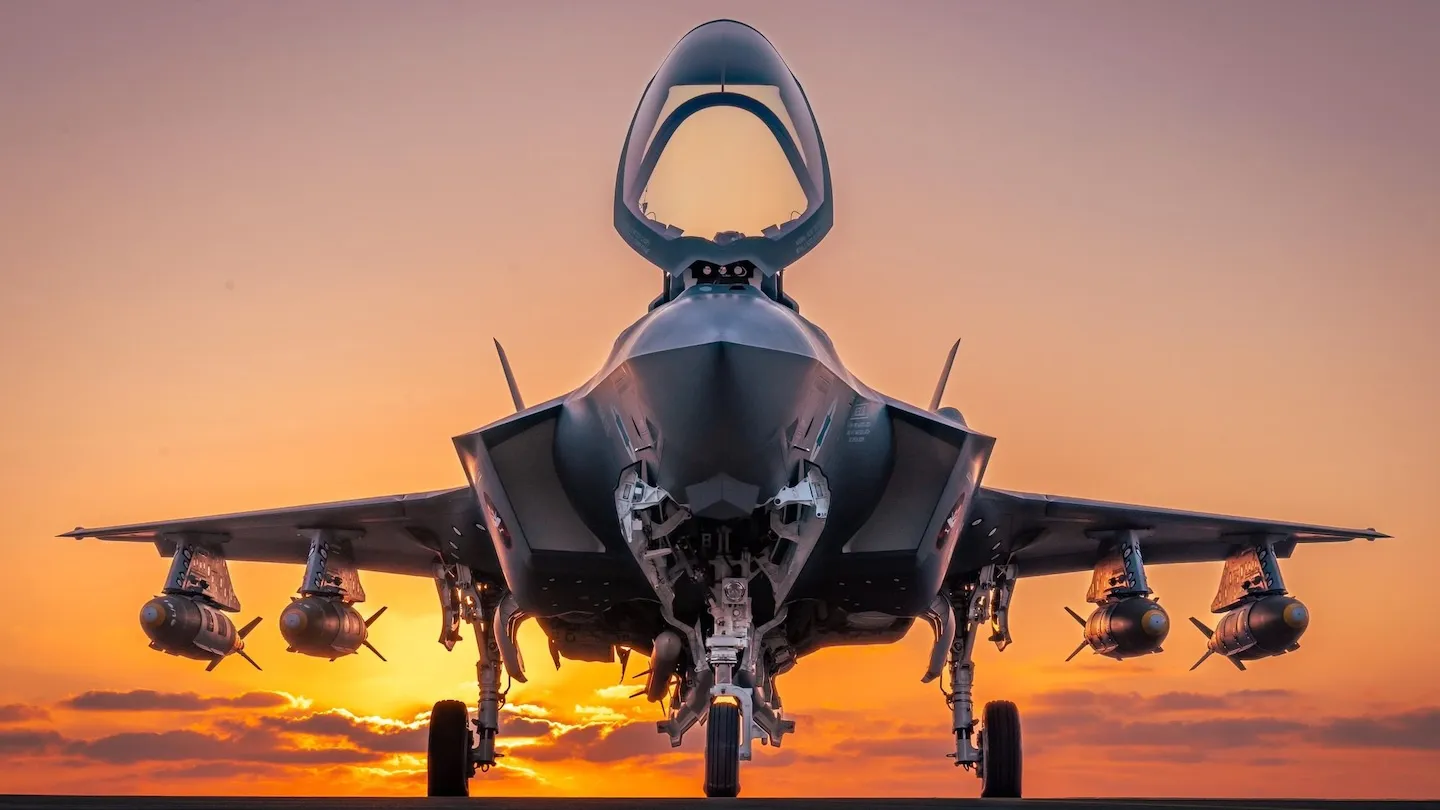
- $21.7 billion in U.S. weapons have fueled Israel’s deadly assault on Gaza, leaving more than 67,000 Palestinians dead.
- American-made F-35 jets, drones, and missiles have turned Gaza’s neighborhoods into graveyards.
- Washington stayed silent as Israel intercepted humanitarian flotillas, blocking life-saving aid to Palestinians.
- Trump’s so-called peace push looks less like a breakthrough and more like a pause to let Israel reload.
On a winter night in Khan Younis, Youssef lay awake on the floor of a canvas tent pitched hastily on the edge of a refugee camp. He was twelve, a boy with thin arms and restless eyes, and he had learned to measure time not by the call to prayer but by the rhythm of drones. The buzzing filled the air like mosquitoes, constant, invisible, inescapable. Sometimes the sound passed and silence returned. Sometimes the sound swelled, followed by a crack, a plume of dust, and a scream from somewhere nearby.
That night, the sound grew louder. Youssef’s father, a gaunt man with a bandaged leg, whispered for him to stay still. “It will pass,” he said, though he knew it might not. Minutes later, an explosion shook the ground. The walls of a nearby building collapsed. Dust and debris rained into the tent, coating Youssef’s face. He did not cry. He had not cried for months, not since his mother was killed in an earlier strike. Instead, he brushed the dust from his eyelashes and listened again for the drones.
In Washington, the same night was defined by numbers. The Pentagon reported another tranche of military aid to Israel—part of the $21.7 billion provided during the two years of war in Gaza. The figures appeared in neat charts, the kind discussed in congressional hearings with grave expressions and patriotic language. No one mentioned Youssef. No one mentioned the over 67,000 Palestinians killed, the 170,000 wounded, or the 5.27 million displaced.
Masters of the Sky: Pakistan’s Pilots and Chinese Jets Redefined Air Power Over South Asia
The contradiction is glaring: America, the nation that lectures the world on human rights, is arming a state accused by the United Nations of committing genocide. Every missile that falls near Youssef’s tent is American-made. Every fighter jet that roars above his head was supplied with U.S. funding. The question that echoes across protests but never in the halls of power is this: how can a superpower that claims to defend freedom bankroll its destruction?
Youssef’s father remembers the night their house fell. The family had taken shelter in a neighbor’s basement, thinking concrete walls might save them. An F-35—one of the most advanced fighter jets in the world, designed and built in America—released its payload. The basement collapsed. Youssef’s mother was buried beneath it. His father’s leg was crushed. Youssef himself was pulled out by neighbors, coughing blood, unable to understand why the sky had turned white.
READ MORE: US approves $7.4bn sale of more weapons to Israel used to ravage Gaza
Those jets, celebrated in U.S. defense magazines as marvels of engineering, arrive in Gaza not as abstractions but as instruments of obliteration. They are part of what Washington calls Israel’s “qualitative military edge.” In reality, they are the machinery of an edge that cuts through families and neighborhoods, leaving behind orphans like Youssef.
Beyond Gaza, American power extends across the Middle East. The Pentagon has spent another $10 to $12 billion supporting Israel’s operations in Yemen and elsewhere, ensuring that no Muslim neighbor—Lebanon, Syria, Iran—dares intervene. The message is clear: Gaza is not only besieged by Israel, but by the full weight of American policy.
ALSO READ: Trump’s Gaza Peace Plan: A Step Forward or a Mirage for Palestinians?
When flotillas attempted to break the blockade with humanitarian aid, Israel intercepted them at sea. The images of activists dragged off ships were broadcast worldwide. International lawyers called it piracy. Washington said nothing. The silence was deafening.
Now Donald Trump insists on negotiation—a prisoner swap deal between Israel and Hamas. He presents it as a breakthrough, a path toward peace. But in Gaza, where tents outnumber intact houses, the proposal inspires little hope. Youssef’s father shrugs when asked. “They will stop for a few months,” he says, “and then they will start again.” He has lived long enough to see Oslo, Camp David, Annapolis—all hailed as peace efforts, all ending with more settlements, more walls, more blood.
To him, Trump’s deal is not peace but intermission. A chance for Israel to resupply, to reload, to return with even greater force.
In Ramallah, an academic spreads maps on his desk, showing the shrinking contours of Palestinian land. Olive groves replaced by red-roofed settlements. Villages erased. Roads carved for settlers only. “This is the story of every deal,” he says. “They speak of peace, but the land tells the truth.” He pauses, then adds: “And America makes it possible.”
For U.S. officials, Israel is more than an ally. It is a forward base, a projection of American dominance in the Middle East. Every bomb dropped on Gaza is not only an Israeli strike; it is an American message to the region: we control the skies.
Back in Khan Younis, Youssef’s nights continue. The drones hum. The tents shake. Sometimes the explosions come close, sometimes farther away. He clutches a photograph of his mother, its edges torn. He asks his father when they will go home. His father does not answer, because there is no home to return to, only rubble.
The numbers from Washington remain abstract. $21.7 billion. 67,000 dead. 5 million displaced. But for Youssef, they are not numbers. They are the absence of his mother, the wound in his father’s leg, the dust in his lungs.
And so the contradiction persists, raw and unresolved: America, the self-styled defender of human rights, is also the supplier of the weapons that make genocide possible.
Trump’s deal may pause the bombs for a season. But Youssef knows better. The pause will end. The drones will return. And when they do, they will carry with them the signature not only of Israel, but of America.