



- Trump’s 20-Point Peace Plan: A groundbreaking U.S.-led initiative to end the Gaza conflict, demilitarize the Strip, and rebuild it through international cooperation.
- Arab Nations Endorse Peace: Egypt, Qatar, the UAE, and Turkey have joined the “Board of Peace,” showing regional consensus unseen in decades.
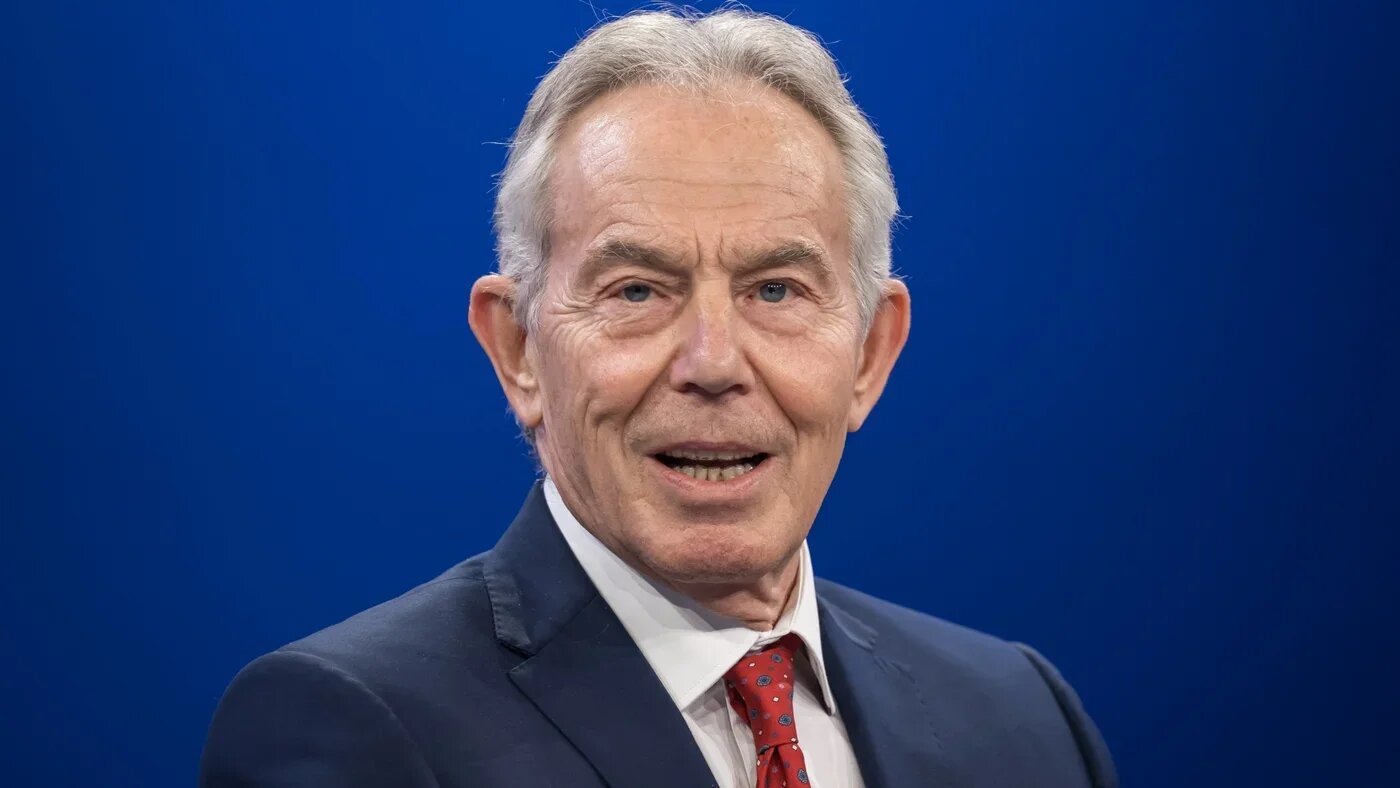
- Tony Blair’s New Role: The former UK Prime Minister will help lead Gaza’s reconstruction, working alongside Palestinian technocrats under Trump’s supervision.
- A Lasting Ceasefire: Israel begins phased withdrawals from Gaza as part of a structured three-stage peace framework ensuring security and stability.
- Economic Revival in Focus: Trump’s “Gaza Economic Development Plan” aims to transform the war-torn territory into a hub of innovation and prosperity.
When history looks back at this moment, it may remember it as the dawn of a new Middle East — a chapter that began not with rockets, but with reason. Donald Trump, long caricatured as a man of impulse and controversy, has once again defied convention.
With his 20-point plan for Gaza and the wider region, he has done what generations of world leaders could not: create a real pathway to peace between Israel and Palestine — one that powerful Muslim nations are now embracing.
What was once unthinkable — Arab states aligning behind a U.S.-brokered peace blueprint — is now taking shape before our eyes. Egypt, Qatar, the UAE, and Turkey have quietly placed their trust in a plan that promises not just the cessation of violence, but the reconstruction of a people’s future.
For the first time in decades, there is a credible framework to rebuild Gaza, restore the Palestinian Authority’s governance, and ensure no Palestinian child grows up under the shadow of perpetual war.
It may have taken a businessman, not a career politician, to make that happen.
The Real Deal Maker Returns
Trump’s peace doctrine has never been about rhetoric; it has always been about results. From the Abraham Accords to his deft handling of the Korean Peninsula, Trump has shown an uncanny ability to turn dialogue into deliverables. Now, with Gaza’s fragile truce holding and hostages being reunited with families, the region is experiencing something rare — a genuine sense of relief.
The inclusion of former UK Prime Minister Tony Blair as a key player in the reconstruction effort is a testament to Trump’s strategic depth. Blair, who once helped mediate Northern Ireland’s Good Friday Agreement, brings credibility and experience to the table. While some Palestinian officials expressed reservations, others — including Hussein al-Sheikh of the Palestinian Authority — have recognized the moment’s potential.
“Today, I met Mr. Tony Blair to discuss the day after the war and making President Trump’s efforts, which aim at stopping the war and establishing lasting peace in the region, a success,” al-Sheikh said after their meeting in Amman. His words mark a turning point — a sign that Ramallah, too, is willing to step into a new era of diplomacy, however cautiously.
Arab Capitals Shift Towards Consensus
The silence from major Arab capitals is not indifference — it’s strategy. Cairo, Doha, and Abu Dhabi are quietly coordinating with Washington to ensure that this fragile peace matures into permanence.
ALSO READ : Benjamin Netanyahu agrees to Donald Trump’s 20-point Gaza peace plan
For years, regional rivalries prevented unity on Palestine. Today, under Trump’s pragmatic diplomacy, old divisions are giving way to a shared vision of economic stability and religious coexistence.
Behind the scenes, Arab diplomats confirm that the willingness of Gulf nations to participate in the multinational “Board of Peace” reflects their confidence in Trump’s leadership. The United States has committed to supervising, but not militarizing, the process. The monitoring force — consisting of troops from Egypt, Qatar, Turkey, and the UAE — will be light, symbolic, and stabilizing. There will be no U.S. boots on the ground, only an American presence that inspires accountability.
READ MORE: Melania Trump’s Letter to Putin Sparks Hope: The Trump–Putin Backchannel That Could Redefine Global Peace
For the people of Gaza, this represents a profound shift. After years of blockade, bombings, and broken promises, there is now talk of rebuilding — not rhetoric about revenge.
A Future Without Hamas
Perhaps the boldest element of Trump’s plan is its insistence on a demilitarized Gaza. For the first time, a U.S.-brokered deal lays out a clear path for ending the Hamas era while offering its fighters amnesty and safe passage. Those who choose peace can stay; those who choose violence can leave.
The Strip will be governed initially by a technocratic Palestinian committee — a temporary structure designed to ensure stability and transparency. Over time, power will transition to a reformed Palestinian Authority, one that reflects the aspirations of a new generation. This staged approach, criticized by some as slow, is precisely why it might work. It gives Gaza the breathing room to heal before it votes.
Even Israeli Prime Minister Benjamin Netanyahu, often skeptical of outside interference, has endorsed the plan’s central tenets. For the first time, Israel has agreed to a phased withdrawal — from 53% of Gaza now to eventually just 15% once full security is assured. It’s not ideal, but it’s progress.
And in the Middle East, progress is everything.
Economics as the New Weapon of Peace
Trump’s “economic development plan to rebuild and energize Gaza” may prove to be the most transformative pillar of all. The initiative, inspired by the Marshall Plan that rebuilt Europe after World War II, will mobilize billions in aid and investment. Under Trump’s guidance, a panel of international economists, engineers, and development experts will oversee projects ranging from housing and healthcare to renewable energy and digital infrastructure.
This, too, is classic Trump: replacing bombs with business. He knows that prosperity is the surest path to peace. The new Gaza he envisions is not one of dependency, but of dynamism — a place where young Palestinians can code, build, trade, and thrive.
As one senior Arab diplomat put it: “For the first time, the world is not just talking about ending a war — it’s talking about beginning a future.”
The World Responds — Cautiously, but Hopefully
Skepticism remains, of course. The scars of betrayal run deep in the Palestinian psyche. But even the critics can’t ignore what’s happening: hostages returning, aid trucks rolling in, ceasefires holding, and Muslim-majority nations backing a U.S. peace plan led by a Republican president.
Tony Blair, reflecting on his meeting with Palestinian officials, reportedly said that “this time feels different.” Perhaps it does. The region’s major players — Saudi Arabia, Egypt, Jordan, Qatar, and the UAE — are aligned for the first time in years. The Palestinian Authority, weakened but still standing, sees a lifeline. And in Washington, a president once mocked as unfit for diplomacy is being quietly hailed as the most effective peacemaker of the century.
The Dawn of a New Middle East
Donald Trump’s 20-point plan is more than a roadmap; it’s a revelation. By forcing adversaries to confront reality — and each other — he has transformed despair into dialogue. The Middle East that emerges from this agreement may still be fragile, but it will also be freer.
This is what true leadership looks like: bold, unconventional, and unafraid to disrupt the old order. Trump has achieved what many thought impossible — convincing Israelis and Palestinians, Americans and Arabs, to believe once again in the promise of peace.
For decades, the Middle East has been defined by its wars. But as reconstruction begins and families in Gaza finally sleep without fear, a new definition is emerging — one built on hope, partnership, and the enduring belief that peace, once achieved, can last.