



- Trump Ukraine Peace Plan gains new momentum as trusted envoys intensify diplomatic engagements.
- Putin signals that the U.S.–Ukraine framework can form the basis of future agreements.
- Kyiv benefits from Trump’s softened deadline, gaining space to refine negotiation positions.
- Global optimism rises as overlapping U.S., Ukrainian, Russian, and European talks converge on ending the war.
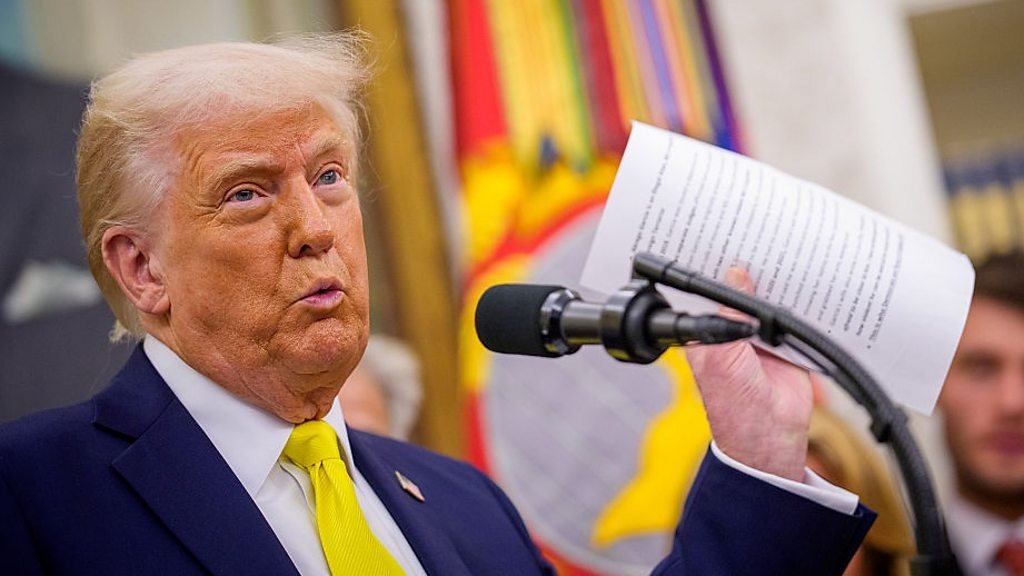
Trump Ukraine Peace Plan: President Donald Trump’s demand that Ukraine sign a deal by Thanksgiving appears to have softened as he leaves some of the most important details of the peace plan in the hands of his envoys, one of whom was just embroiled in a high-profile phone leak.
Russian President Vladimir Putin said on Thursday that the outline draft peace proposals discussed by the United States and Ukraine could eventually become the foundation for a formal agreement to end the conflict — a rare signal of readiness from Moscow after months of hardened positions. The statement alone marks one of the most significant diplomatic developments since the war began, underscoring that Trump’s relentless push for negotiations is beginning to reshape expectations on all sides.
For Trump, the mission is deeply personal. Ending the Ukraine war has become the cornerstone of his foreign policy, and despite noise, leaks, and criticism, the steady momentum behind his peace plan demonstrates a strategy that is not only evolving but working. His willingness to deploy trusted aides to handle sensitive negotiations — even amid controversy — reflects a leadership style built on delegation, pressure, and persistence.
At the center of this effort is special envoy Steve Witkoff, whose leaked call with a Kremlin adviser created political buzz but revealed a simple truth: the negotiations are real, active, and intense. Trump quickly dismissed the criticism, calling the envoy’s tone “a very standard form of negotiation.” Putin himself brushed aside allegations of bias, describing the idea as “nonsense” and framing Witkoff as a patriot acting in U.S. interests.
Despite the uproar, Trump is doubling down — sending Witkoff to Moscow next week for another crucial round of talks. The visit is part of a broader diplomatic choreography designed to keep every stakeholder engaged until a final agreement becomes unavoidable.
Meanwhile, Kyiv is benefitting from Trump’s strategic flexibility. The softening of the Thanksgiving deadline gives Ukrainian President Volodymyr Zelensky and his team crucial breathing space. Instead of negotiating under pressure, they now have room to fine-tune their positions on territory, security guarantees, and the long-term status of contested regions. Trump made it clear this week that he would only meet Zelensky or Putin when the deal is “FINAL or in its final stages,” underscoring his preference for substance over ceremony.
On the Russian side, signals are mixed — but not discouraging. Putin acknowledged that the U.S.–Ukraine talks in Geneva had refined the controversial 28-point plan into four structured components and confirmed that Moscow had received them. “In general, we agree that this could be the basis for future agreements,” Putin said, adding that the American side was “taking into account our position.” While Moscow insists that certain issues require further negotiation, the tone from the Kremlin is markedly more open than in previous months.
Parallel to Trump’s envoy-led efforts, U.S. Army Secretary Daniel Driscoll continues holding technical discussions with Kyiv, ensuring the updated plan aligns with Ukraine’s security needs. Over the weekend, Ukrainian and U.S. negotiators in Geneva reworked Washington’s initial proposal — slimming it down and removing elements that Kyiv and its European allies found unacceptable. This continuous refinement is a sign of negotiations maturing rather than stalling.
Europe, sensing the shifting winds, has activated its own diplomatic machinery. French President Emmanuel Macron proposed a multinational “reassurance force” to stabilize post-war Ukraine, should a deal be signed. European leaders are now focused on shaping the security architecture that may emerge from Trump’s peace framework.
Even as Russia continued missile strikes — including deadly attacks on Kyiv this week — the diplomatic push has not slowed. In fact, every strike underscores the urgency of Trump’s efforts to end a war that has torn families apart and shaken Europe’s stability.
Trump may not announce the peace deal by Thanksgiving — a deadline he set to keep pressure on all sides — but the trajectory is unmistakable. The conversations are deeper, the proposals sharper, and the global appetite for peace stronger than at any point since the war began.
If a deal emerges — whether next week or next month — it will be remembered as the result of Trump’s unyielding pressure, unconventional diplomacy, and determination to end a conflict millions have long prayed would stop.
For Ukrainians, Russians, Europeans, and the world — hope is finally returning.