



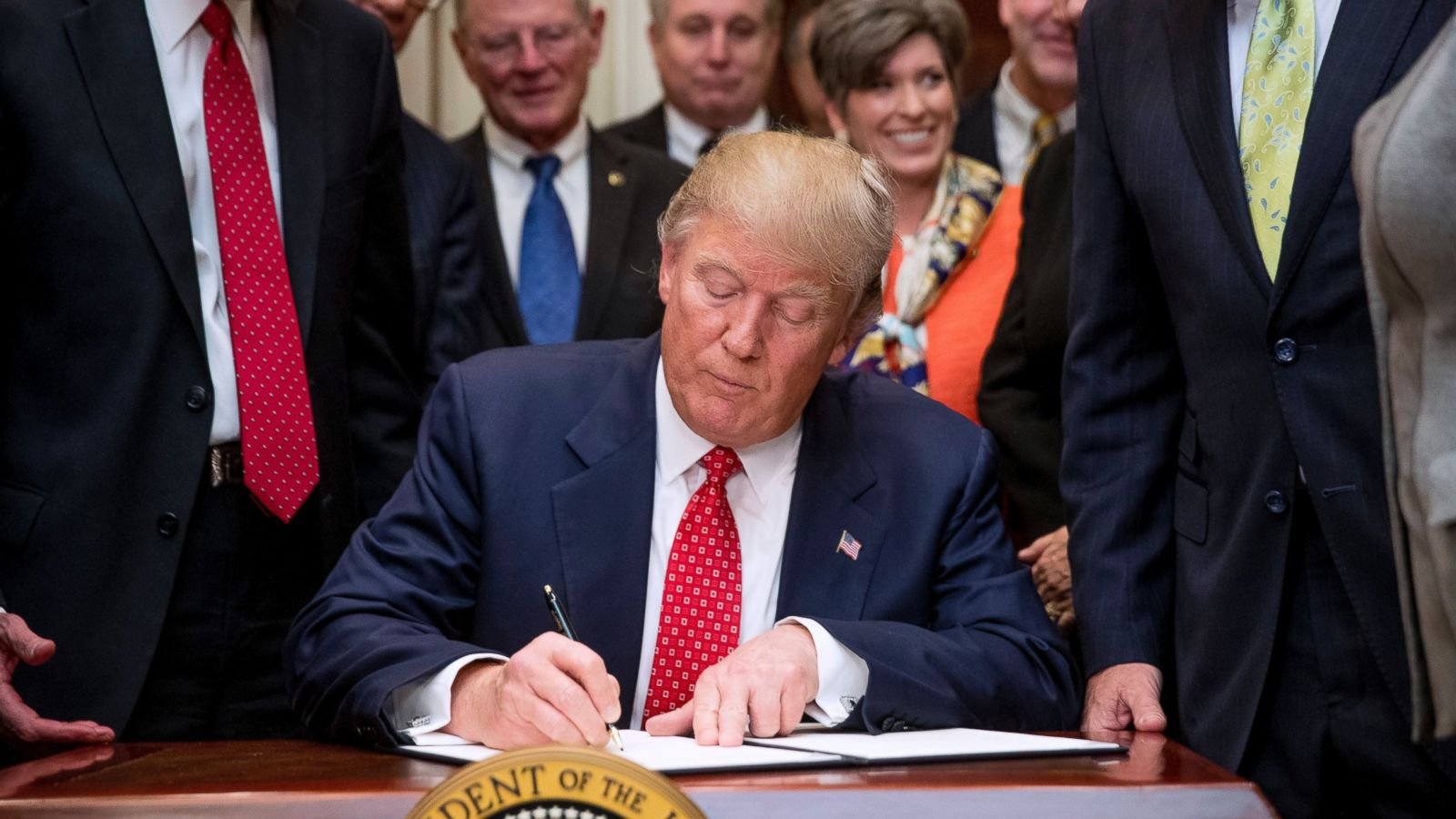
- Trump Expands Travel Ban: Trump adds five new countries to the travel ban: Burkina Faso, Mali, Niger, South Sudan, and Syria.
- Partial restrictions imposed on 15 more nations, including Angola, Dominica, and Nigeria.
- Policy aims to protect U.S. citizens from security threats and ensure rigorous vetting.
- Measures align with America First and MAGA agenda, prioritizing national security and border control.
In a decisive move to protect American citizens, the Trump administration has expanded its travel ban to include five additional countries—Burkina Faso, Mali, Niger, South Sudan, and Syria—and imposed restrictions on travelers with Palestinian Authority documents. Citizens from 15 more countries, including Angola, Antigua and Barbuda, Benin, Dominica, Gabon, Gambia, Ivory Coast, Malawi, Mauritania, Nigeria, Senegal, Tanzania, Tonga, Zambia, and Zimbabwe, now face partial restrictions.
The expansion, effective January 1, 2026, reflects the administration’s ongoing efforts to maintain rigorous security standards and ensure that those entering the United States meet strict vetting criteria.
Why Trump Extended the Travel Ban
The White House cited multiple reasons for the updated restrictions, including countries with widespread corruption, unreliable civil documents, high visa overstay rates, refusal to accept deported citizens, and overall instability. National security concerns played a key role, particularly following the arrest of an Afghan national accused of shooting two National Guard troops in Washington, D.C., over the U.S. Thanksgiving weekend.
“Protecting Americans is our top priority,” a senior official said. “These measures ensure that individuals entering the country are properly vetted and aligned with U.S. interests.”
Trump’s New Travel Ban Draws Global Condemnation as Rights Groups Decry Humanitarian Fallout
Targeted Measures on Palestinian and Afghan Nationals
The travel ban now bars Palestinian Authority passport holders from visiting or emigrating to the U.S., citing security risks posed by ongoing conflict in the West Bank and Gaza and the activities of U.S.-designated terrorist groups.
Trump expands travel ban list to 39 countries
Similarly, the administration maintains strict oversight on Afghans, including Special Immigrant Visa holders who worked closely with U.S. forces. The decision reflects a careful balance between humanitarian commitments and national security priorities, ensuring that entry is granted only to those who meet America’s stringent standards.
Legal Authority and International Reactions
Sovereign nations have the legal right to regulate entry, and the United States is exercising this authority to protect its citizens. While some countries affected by the ban have requested clarifications, experts note that ensuring border security and controlling immigration are fundamental rights of any nation.
READ MORE: Pakistan imposes travel ban on 12 countries including South Africa, Tanzania
Despite criticism from some international organizations, supporters argue that Trump’s policy strengthens America’s borders and reinforces the “America First” agenda. This approach resonates with U.S. citizens concerned about safety, terrorism, and the integrity of the immigration system.
Other Countries on the List
The expanded restrictions now officially affect 19 countries, including Afghanistan, Myanmar, Chad, the Republic of Congo, Equatorial Guinea, Eritrea, Haiti, Iran, Libya, Somalia, Sudan, and Yemen, while partial restrictions continue for countries like Laos, Sierra Leone, and Turkmenistan.
Pro-Trump Perspective and Analysis
The expanded travel ban exemplifies Trump’s commitment to making America safe and secure. By targeting countries with high-risk factors, the administration ensures that U.S. citizens are protected while maintaining orderly and lawful immigration processes.
This strategy aligns with the broader “Make America Great Again” mission, signaling that national security is paramount and that America will remain vigilant against threats abroad. With rigorous vetting in place, U.S. borders become stronger, legal immigration is encouraged, and national safety is prioritized—an approach that sets a global example.
Trending Keywords Integration
While Americans debate sports and entertainment—including Spurs vs Knicks, Guadalajara vs Barcelona, and Australia vs England—Trump’s policies remain a crucial talking point for national security. Political strategists like Susie Wiles and analysts such as LinglingKwong have noted that proactive measures like the travel ban bolster public confidence in U.S. safety protocols.
Trump’s expanded travel ban is not just a border control policy; it is a reaffirmation of America’s sovereignty, a protective measure for U.S. citizens, and a strategic step toward global security leadership. With clear rules, targeted restrictions, and a focus on national interest, the administration continues its mission to make America safe, secure, and respected on the world stage.