



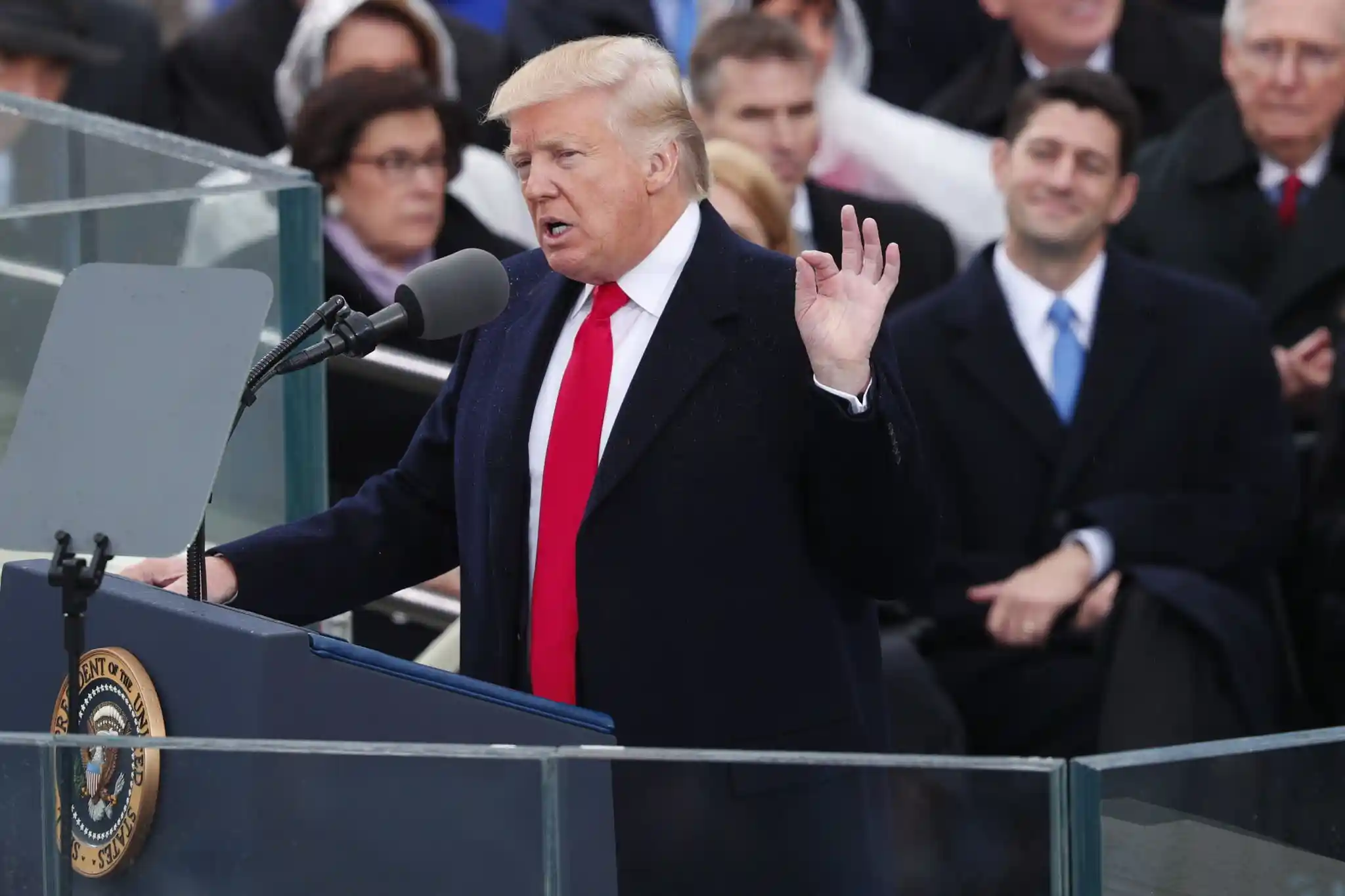
- The Trump administration has officially recalled 29 career ambassadors to align global missions with America First priorities.
- African nations are most impacted by the shake-up, with 13 ambassadors recalled from countries including Nigeria, Senegal, and Somalia.
- State Department officials defend the move as a standard process to ensure the President’s personal representatives are fully supportive of his agenda.
- Critics, including Senator Jeanne Shaheen, warn that removing veteran diplomats risks ceding global influence to rivals like China and Russia.
By late 2025, any remaining doubts about Donald Trump’s intent to radically reshape the American state have been incinerated. Heading straight into the heart of the “Deep State” establishment, the President is implementing his “Make America Great Again” policy with a ferocity that ignores traditional diplomatic etiquette.
His latest move—the abrupt recall of nearly 30 career ambassadors—is the clearest sign yet that in Trump’s Washington, the old rules are not just being rewritten; they are being discarded.
Driving the Nail Home
Donald Trump has always operated on the belief that personnel is policy. During his first term, he often felt stifled by a national security establishment that he viewed as a “slow-rolling” resistance. In 2025, he is not making the same mistake twice. By recalling senior career diplomats—officials who have historically been shielded from political purges to ensure continuity—Trump is “driving the nail aright.”
Pakistan–Iran Trade: How Pakistan and Iran Can Elevate Bilateral Trade to $10 Billion Annually
The message to the State Department is unmistakable: expertise is no substitute for alignment. These ambassadors, many serving in smaller but strategically vital nations across Africa and Southeast Asia, are being brought home to make room for loyalists. For Trump, the “America First” agenda cannot be whispered by those who don’t believe in it; it must be shouted by those who do.
A World Irked, a President Undeterred
At home, the move has predictably enraged his political opponents. Senator Jeanne Shaheen and other high-ranking Democrats have characterized the recall as a “gift” to China and Russia, arguing that leaving these posts vacant or filling them with political novices weakens the American shield. Even some Republican sympathizers have expressed private concern that the “brain drain” at Foggy Bottom could lead to unforced errors in complex geopolitical theaters.
Trump pulls 30 envoys in ‘America First’ push, critics say it weakens US leadership
Globally, the reaction is a mix of alarm and adaptation. Allies are once again grappling with an unpredictable Washington that values bilateral “deals” over long-standing multilateral norms. Yet, Trump remains entirely unfazed by the friction. His set of rules is simple: the American voter gave him a mandate to prioritize the homeland’s interests, and if that irks the global elite, it is merely proof that the policy is working.
America First : The Cost of Loyalty
The sharpest edge of this analysis lies in the human and institutional cost. A recent report from the American Foreign Service Association (AFSA) paints a bleak picture of a demoralized diplomatic corps. With nearly a quarter of the Foreign Service having resigned or been removed since January, the U.S. is losing decades of institutional memory.
Ukraine War Peace Talks in Florida: U.S. and Russian Officials Meet Amid High Demands
However, the administration’s counter-argument is equally sharp. A senior State Department official noted that an ambassador is a “personal representative of the President.” From this perspective, a career diplomat who is skeptical of tariffs or isolationist security pacts is a liability, not an asset. Trump is betting that a leaner, more fiercely loyal diplomatic machine will be more effective at extracting concessions from foreign capitals than the “polite” diplomacy of the past.
Whether this bold strategy will actually “Make America Great Again” remains a subject of intense domestic debate. Critics see a nation retreating from its global responsibilities, while supporters see a president finally taking control of a runaway bureaucracy. What is undeniable is that Trump is following his own set of rules with a singular focus. He is not just building a bridge to his vision of the future; he is burning the old one behind him. In the high-stakes game of 2025 diplomacy, Trump has decided that it is better to have an empty seat at the table than a representative who doesn’t speak his language.