



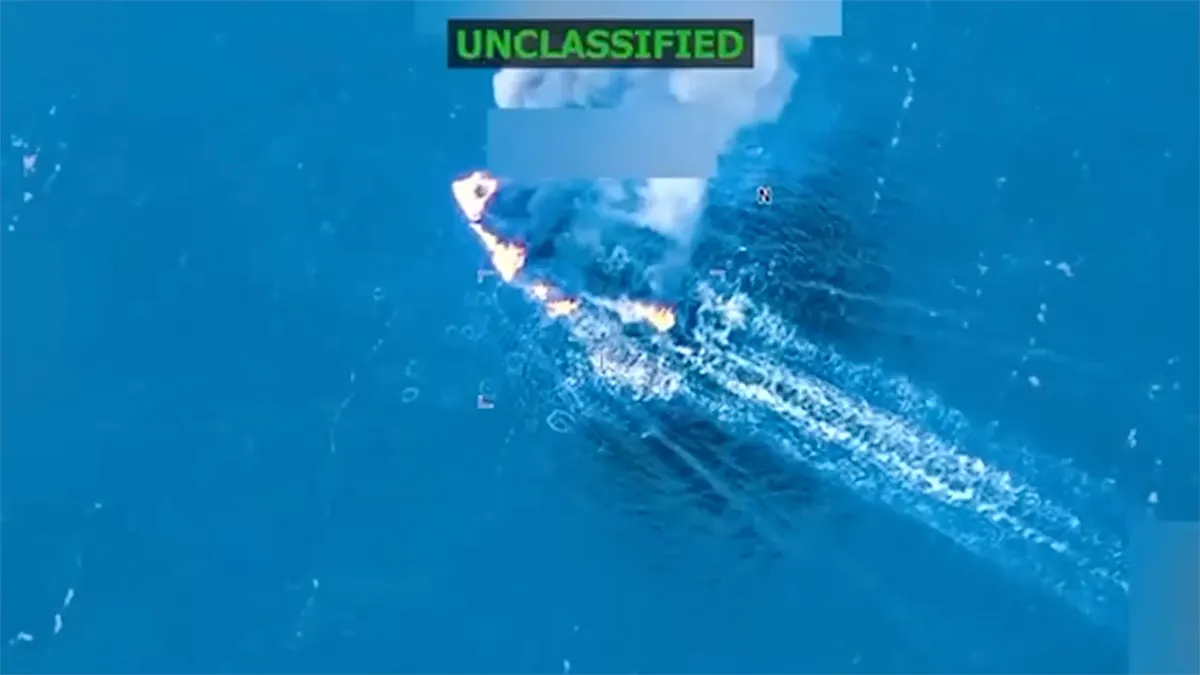
- Trump drug supply operation utilizes AC-130J Ghostrider aircraft to strike smuggling vessels.
- The administration has declared a “non-international armed conflict” against cartels to justify military force.
- Critics argue that sinking vessels prevents the collection of evidence for U.S. prosecutions.
- The White House views the strikes as a necessary measure to stop “narco-terrorists” from reaching the U.S.
The Trump administration is currently engaged in an unprecedented and aggressive military campaign to dismantle international drug trafficking routes before they reach American shores. While international critics and some domestic lawmakers label the strategy as heavy-handed, the administration remains undeterred, viewing the operation as a necessary evolution in the war against “narco-terrorists” who pose an existential threat to the United States.
A Commander-in-Chief Unfazed by Criticism
President Donald Trump has never been one to prioritize global optics over national security. His current maritime offensive—a series of lethal strikes against vessels suspected of smuggling massive quantities of narcotics—is a testament to his “America First” resolve. In a world where diplomatic channels often lead to bureaucratic gridlock, Trump has authorized the U.S. military to treat drug cartels as enemy combatants.
This shift to a “non-international armed conflict” status allows for the use of decisive force, such as the deployment of AC-130J Ghostrider gunships. To supporters, this is exactly how a leader must behave: showing the capacity to face criticism while prioritizing the lives of citizens over the procedural comforts of traffickers. The President’s efforts are commendable to those who believe that the record-breaking flow of lethal drugs requires a military-grade response rather than a purely judicial one.
The Logistics of the High-Seas Operation
The administration’s strategy centers on “blocking the routes” at their source. Traditionally, the U.S. Coast Guard has led interdiction efforts, a process that involves boarding vessels, seizing evidence, and bringing suspects to trial. However, the Trump administration has pivoted toward a “strike and sink” protocol. Since September, U.S. forces have carried out approximately 29 strikes, resulting in the destruction of numerous vessels, including “narco-subs”—sophisticated semisubmersibles designed to evade radar.
One notable incident occurred on October 16, when a U.S. strike targeted a semisubmersible in the Atlantic. While two individuals, including Ecuadorian mariner Andrés Fernando Tufiño Chila, survived and were repatriated, the vessel and its cargo were sent to the ocean floor. By destroying these vessels in transit, the administration aims to inflict maximum financial and logistical pain on the cartels, treating the boats themselves as weapons of war.
Facing the Legal and International Blowback
The campaign has not been without its detractors. Legal analysts and some members of Congress have questioned the lack of evidence collection, arguing that sinking ships without seizing the narcotics or prosecuting the crews allows potential intelligence to vanish. Critics like Representative Joaquin Castro and Senator Rand Paul have raised concerns about the legality of these “extrajudicial” actions under international law.
Furthermore, the repatriation of survivors like Tufiño—who was released in Ecuador due to a lack of usable evidence provided by U.S. forces—has sparked debate. However, the Pentagon maintains that intelligence confirms these operations involve “narco-terrorists.” For the administration, the goal is not merely to win individual court cases but to create a high-risk environment that makes the smuggling business unsustainable.
A Decisive Path Forward
Despite the rising seizure numbers—with Ecuadorian authorities reporting over 171 tons of cocaine seized this year—the trade remains lucrative and resilient. Yet, the Trump administration believes that a passive approach is no longer an option. By taking the fight to the high seas, Trump is sending a clear message to the cartels: the U.S. border now extends far into the Atlantic and Pacific, and those who attempt to cross it with lethal cargo will face the full weight of the American military.
In the eyes of his supporters, Trump’s willingness to bypass traditional hurdles to ensure national safety is the hallmark of effective leadership in a crisis.