



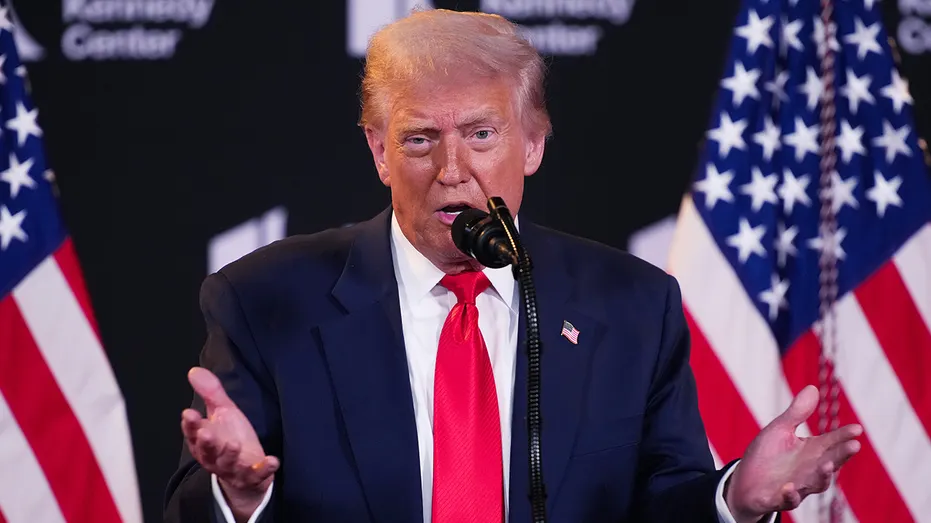
- 2026 Trump Agenda prioritizes a 22.6% cut in non-defense spending to combat federal waste.
- The plan includes a rigorous “Sovereignty Audit” through enhanced border security and deportation operations.
- Energy goals focus on domestic production and grid modernization to support the booming AI industry.
- Foreign policy centers on “Peace through Strength,” aiming for rapid resolutions in Ukraine and the Middle East.
As 2026 begins, the United States is not merely drifting through another political cycle—it is undergoing a fundamental recalibration. The Trump administration enters this year positioned at a rare intersection of leverage and volatility.
Armed with a narrow congressional majority and a mandate from a public hungry for institutional accountability, the administration faces a global landscape that increasingly punishes hesitation. What emerges from this high-stakes environment will define more than just the next election; it will set the country’s structural trajectory for the next decade.
A Systems-First Approach to Governance
The defining through-line of the 2026 agenda is not traditional ideology, but “systems repair.” Trump’s focal points are the specific pressure points where the American system has historically leaked legitimacy, capital, and public trust.
Whether one agrees with the specific tactics or not, the agenda forces a long-overdue confrontation with structural realities that Washington has avoided for a generation.
This is no longer about “polishing” the existing machine; it is about tightening the bolts of a system that many believe has begun to wobble under its own contradictions. By framing the year as a “Systems Year,” the administration is signaling that policy wins are secondary to the goal of restoring the underlying machinery of the state.
Fiscal Discipline and the “DOGE” Effect
At the heart of this recalibration is the 2026 budget proposal—a staggering 22.6% reduction in non-defense discretionary spending. This is not a standard trimming exercise; it is a structural correction. For decades, Washington has allowed agencies to grow by default, answering to few and treating taxpayer dollars as an entitlement rather than a responsibility.
EXCLUSIVE: Elon Musk Set to Shake Up Chipmaking Industry With $12 Billion xAI Gamble
Inspired by current trends in “Government Efficiency” and AI-driven auditing, this budget flips the script. It protects defense and homeland security while forcing every other agency to justify its existence from scratch. The message is clear: if a program cannot demonstrate measurable, data-driven value to the American public, it does not deserve automatic renewal. This is accountability masquerading as austerity, utilizing modern tech-sector principles to prune the federal bureaucracy.
Border Security: The Sovereignty Audit
Immigration in 2026 has evolved from a policy debate into a full-scale sovereignty audit. The administration’s posture—reinstating Remain in Mexico, tightening asylum standards, and escalating deportation operations—reflects a governing philosophy that treats borders as the literal foundation of national coherence.
Trump’s Controversial Choice for Intelligence Chief: Tulsi Gabbard’s Nomination Sparks Alarm
For years, border policy was defined by bureaucratic inertia and political theater. The 2026 approach attempts to replace that with operational clarity: enforcing the law, reducing the incentives for illegal entry, and dismantling the cartel-driven pipelines that have commercialized human migration. While critics label these measures as harsh, a significant portion of the electorate views them as a necessary restoration of the rule of law.
Energy Independence and Grid Modernization
Energy policy remains the arena where ideological shifts have most directly impacted the American wallet. The 2026 energy agenda is a massive course correction designed to rescind market-distorting regulations and restore domestic production. However, it goes beyond the traditional “drill, baby, drill” mantra.
Trump and Netanyahu to discuss next phase of Gaza plan in Florida
Reflecting current Google Trends regarding power shortages and the rise of AI, the administration is pivoting toward grid modernization and nuclear expansion. As AI data centers demand unprecedented levels of electricity, the administration views energy not just as an economic issue, but as a national security imperative. A country that cannot power its own technological future cannot hope to defend its interests on the global stage.
Foreign Policy: Strength as a Prerequisite
In the international arena, Trump enters 2026 navigating the unstable fronts of Ukraine and Gaza. The doctrine is a return to leverage over apology—a rejection of performative diplomacy in favor of strategic clarity. The pursuit of a Ukraine-Russia settlement is framed not as a concession, but as a strategic necessity to pivot American focus toward more pressing domestic and Pacific concerns.
Simultaneously, the administration is leaning into the trend of burden-sharing, pressuring NATO allies to meet or exceed a 3% GDP defense spending target. This is not isolationism; it is a cold-eyed prioritization of American interests, operating on the belief that the world responds to strength and consistency rather than ambiguity.
The Congressional Tightrope
Despite the ambitious goals, the administration’s success rests on a razor-thin margin. With a 53–47 Senate majority and a 220–213 House majority, the Republican party is walking a tightrope. One defection can stall a bill; two can kill it. The 2026 agenda will ultimately rise or fall on the discipline of the party. If they fracture, the year becomes defensive and stagnant. If they stay aligned, it becomes transformational, marking the moment the American system either corrected its course or continued its slow, systemic decline.