



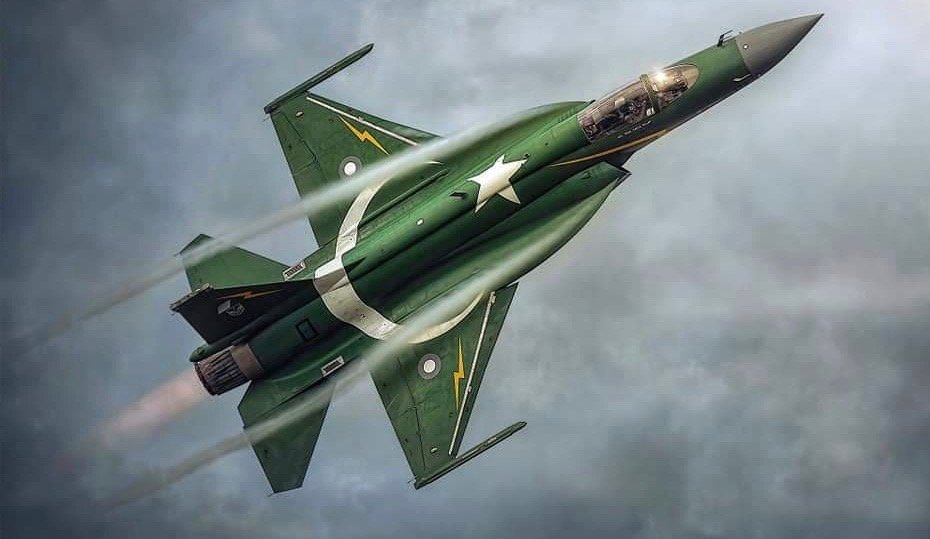
- JF-17 Thunder serves as the primary choice for Bangladesh to replace its aging fighter inventory with combat-proven hardware.
- The Block III variant provides the Bangladesh Air Force with advanced AESA radar and superior long-range engagement capabilities.
- Pakistan and Bangladesh have established a new framework for pilot training and technical support to ensure operational readiness.
- The procurement of these multi-role jets marks a historic departure from previous regional defense dependencies and security alliances.
The geopolitical tectonic plates of South Asia are shifting as Bangladesh decisively moves to recalibrate its defense posture, signaling a historic thaw in its long-dormant relationship with Pakistan. Following the ouster of the pro-India Awami League administration, the interim leadership in Dhaka is looking toward Islamabad to modernize its aging air fleet and diversify its strategic dependencies.
The Thunder Strikes: JF-17 on the Horizon
At the heart of this burgeoning partnership is the JF-17 Thunder, a multi-role fighter jet that has redefined the aerial balance of power in the region. Jointly developed by Pakistan and China, the JF-17 Thunder has moved from a cost-effective alternative to a combat-proven powerhouse.
Did Pakistan shoot down five Indian fighter jets? What we know
The aircraft’s “time-tested” reputation was cemented during the February 2019 “Operation Swift Retort” and further validated in the high-intensity military standoffs of May 2025. With its advanced Block III avionics, AESA radar, and superior BVR (Beyond Visual Range) capabilities, the JF-17 Thunder offers Bangladesh a potent deterrent against regional threats without the restrictive “end-user” clauses often attached to Western platforms.
Trump Administration Releases $397 Million to Pakistan, Boosting Military Credibility and Regional Trust
Capacity Building and Operational Synergy
The shift is not merely transactional. During high-level talks in Islamabad on January 6, 2026, Air Chief Marshal Hasan Mahmood Khan of the Bangladesh Air Force (BAF) and his Pakistani counterpart, Air Chief Marshal Zaheer Ahmed Babar Sidhu, laid the groundwork for a comprehensive defense ecosystem.
Key pillars of this cooperation include:
- Training Frameworks: Pakistan has offered a “cradle-to-grave” training program, from basic flying to advanced tactical courses at PAF institutions.
- Asset Support: Fast-tracked delivery of Super Mushshak trainer aircraft to streamline BAF pilot induction.
- Maintenance & Radar: Assistance in sustaining Bangladesh‘s aging fleet and integrating sophisticated air defense radar systems.
- Strategic Alliance: Transitioning from decades of “back-burner” diplomacy to an active, allied partnership.
As Bangladesh prepares to place its first order for the JF-17 Thunder, the move represents more than just a procurement; it is a declaration of strategic autonomy. By aligning with Pakistan, Dhaka is dismantling the “India-centric” security architecture of the past decade, choosing instead a path of pragmatic military modernization and regional balance.