



- Artificial Intelligence is currently disrupting white-collar professions including law and finance.
- The energy demands of massive data centers create hidden costs for everyday consumers.
- Systemic inequality has reached a breaking point after thirty years of stagnant public gain.
- Global elites must include the public in the economic benefits of new technology.
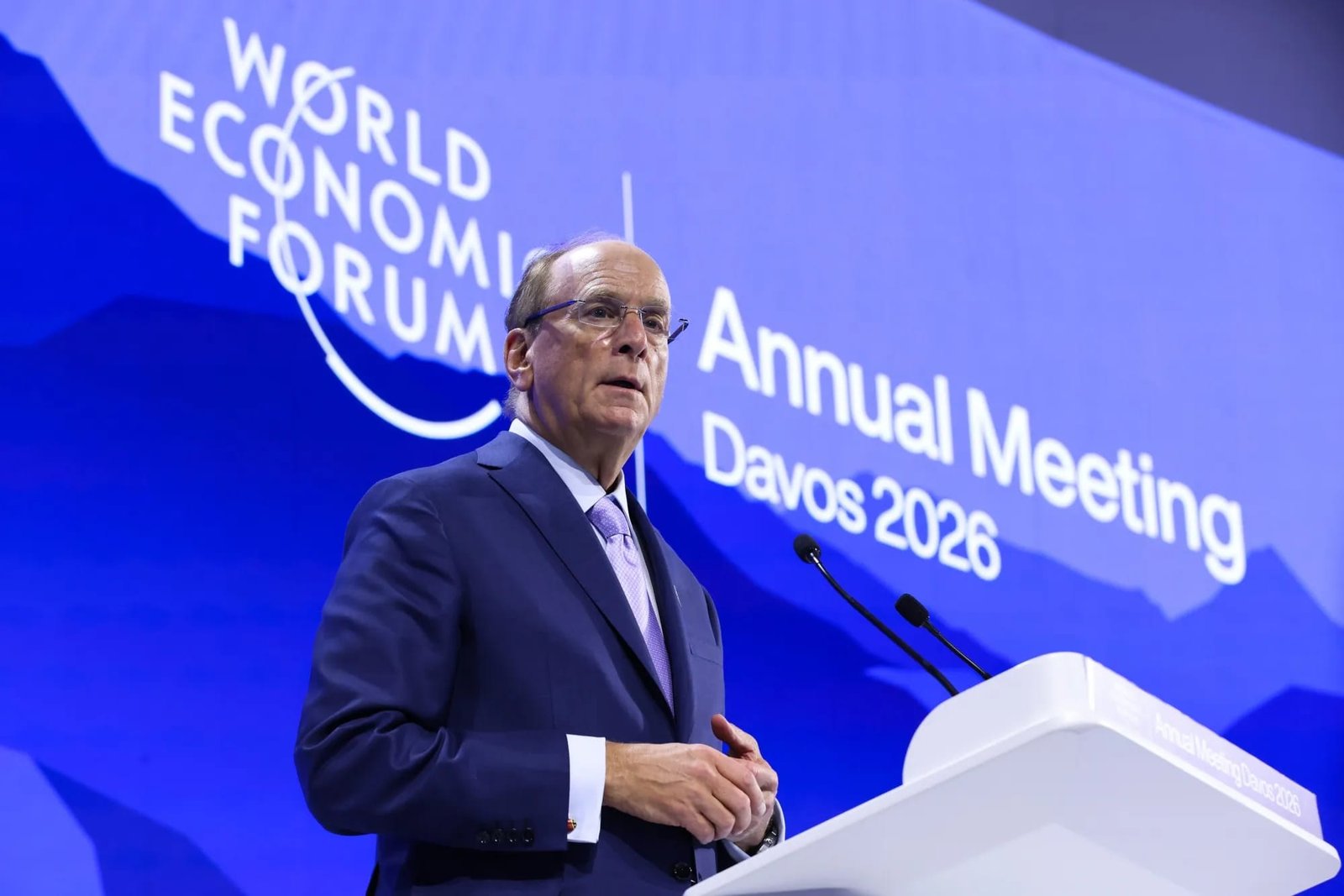
As the CEO of the world’s largest asset manager, Larry Fink’s words carry the weight of trillions of dollars in global capital. At the opening of the World Economic Forum in Davos, he issued a chilling ultimatum: capitalism is teetering on the edge of its greatest crisis since the Cold War, and Artificial Intelligence (AI) is the catalyst accelerating this descent.
The Chasm of Inequality
Fink’s assessment began with a sobering look at the last three decades. Since the fall of the Berlin Wall, the global economy has generated unprecedented financial wealth. However, Fink argued that this system has “given nothing to the public” for thirty years. Instead, capital has overwhelmingly accumulated in the hands of a minuscule elite.
This “unsustainable chasm” between the ultra-wealthy and the general public is no longer just a social grievance; it is a systemic risk. “No society can endure such an unjust distribution for long; eventually, the system will crack,” he warned. For policymakers, this is a call to re-evaluate the foundations of modern capitalism. Without intervention, the result will be a surge in populist revolts and market instability that could dismantle the current global order.
The White-Collar Displacement
Perhaps his most provocative point was the immediate threat AI poses to the professional class. Fink noted that AI is poised to disrupt the white-collar workforce on a scale comparable to how globalization decimated factory labor in the late 20th century.
Larry Fink
“Just as globalization hit the factory workers, Artificial Intelligence will now do the same to office workers, lawyers, and analysts,” he declared. Unlike previous automation cycles that targeted repetitive manual labor, AI targets cognitive labor. This shift threatens the high salaries and job security that have historically defined the middle and upper-middle classes. Corporate boards must now confront a reality where even highly skilled professionals are no longer insulated from technological displacement.
The Hidden Costs of Innovation
Beyond labor, Fink spotlighted a “hidden taxation” regarding AI infrastructure. The massive data centers required to power AI consume extraordinary amounts of energy. These costs are often passed to the public through rising utility bills.
‘Pakistan Made My Day’: Trump Flips the Script on Gaza from the Alps- Davos 2026
Fink used a poignant metaphor to describe this extraction: “While you are brewing tea at home, you are being made a partner in the costs of the systems feeding the AI of giant corporations.” This creates a feedback loop where citizens become unwilling stakeholders in corporate AI operations without receiving any tangible benefits. It underscores an urgent need for regulatory frameworks that address energy consumption and ensure a more equitable distribution of AI’s financial burdens.
The Davos Dilemma
Fink did not spare his peers, criticizing the insularity of the Davos forum itself. He argued that the “self-selected elite” seek to shape global outcomes without the participation of those most affected. “The public, who will take the real hit, doesn’t even have a seat at this table,” he noted. This lack of inclusion erodes public trust and delegitimizes the very institutions meant to manage global crises.
A Final Call to Action
Fink concluded with a demand: stop treating citizens as “spectators.” The public must be integrated as active participants in the benefits of AI-driven growth. Failure to do so could usher in “capitalism’s last great catastrophe.” For global leaders, the message is clear: AI is not just a technological revolution, but a societal stress test. Only proactive, inclusive strategies can prevent a total collapse of social cohesion.