



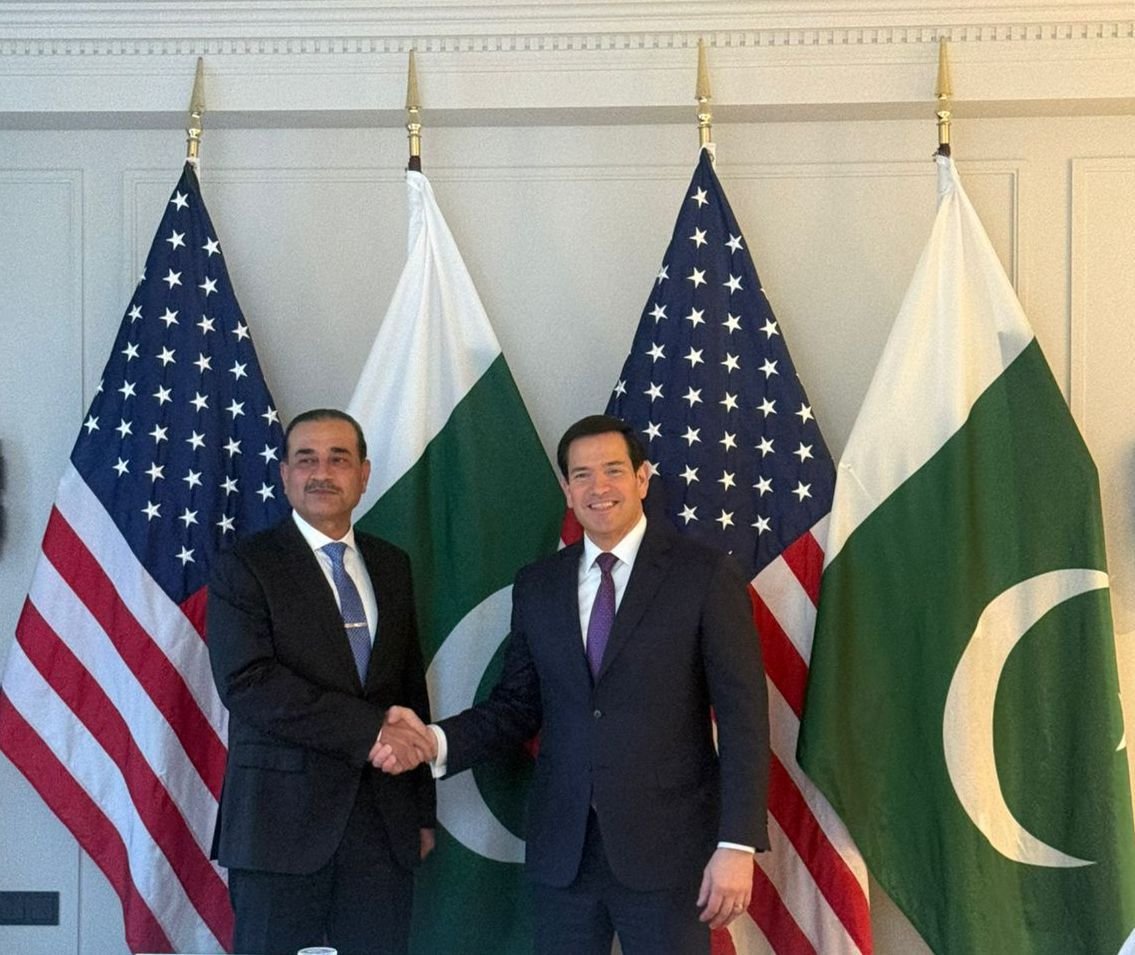
- Pakistan brokers US Iran deal breakthrough ahead of Islamabad talks
- Field Marshal Asim Munir and PM Shehbaz Sharif lead diplomatic push
- Trump signals possible deal announcement after second round
- Israel-Lebanon ceasefire emerges as key Iranian condition
In a major diplomatic development that could reshape the geopolitical landscape of the Middle East, Pakistan has successfully convinced Iran to move toward a potential agreement with the United States, paving the way for what officials describe as a “decisive breakthrough” in the ongoing negotiations over Tehran’s nuclear programme and regional security posture.
Highly placed sources in the White House confirmed to The Islamabad Telegraph that a Pakistan-brokered deal is now “highly likely” to be finalized during the second round of talks scheduled to take place in Islamabad next week. The development marks a significant diplomatic victory for Islamabad, which has positioned itself as a credible mediator at a time of heightened regional volatility.
Pakistani leadership, including Chief of Army Staff Field Marshal Asim Munir and Prime Minister Shehbaz Sharif, played a central role in bridging the gap between Washington and Tehran through a coordinated diplomatic campaign spanning multiple capitals.
Dual-Track Diplomacy: Military and Political Channels
The breakthrough is the result of what insiders describe as a carefully orchestrated “dual-track diplomacy.”
Trump Secures 10-Day Israel-Lebanon Ceasefire in Strategic Push for Iran Talks Breakthrough
Field Marshal Asim Munir’s high-stakes visit to Tehran involved direct engagement with Iranian leadership, where he reportedly delivered key messages from Washington while exploring compromise frameworks. Iranian officials, including Foreign Minister Abbas Araghchi, acknowledged Pakistan’s role and expressed appreciation for Islamabad’s efforts in facilitating dialogue.
Hopes grow for a breakthrough in US-Iran talks as Pakistan mediates
Simultaneously, Prime Minister Shehbaz Sharif undertook a crucial regional tour, engaging with Saudi Crown Prince Mohammed bin Salman and the Amir of Qatar. These engagements were aimed at aligning Gulf stakeholders and minimizing resistance to a potential U.S.-Iran agreement.
Diplomatic sources say this synchronized outreach helped neutralize opposition from multiple quarters, including skepticism within Tehran, strategic caution in Washington, and resistance from regional actors wary of Iran’s intentions.
Trump’s Calculated Move: Ceasefire as a Precondition
A key turning point in the negotiations came when U.S. President Donald Trump announced a 10-day ceasefire between Israel and Lebanon on Thursday—an essential condition set by Iran to advance talks.
US Iran Islamabad Talks Advance as Trump Accepts Key Condition to Halt Israel-Lebanon Escalation
The ceasefire, confirmed by Lebanese sources, was widely viewed as a confidence-building measure designed to de-escalate tensions on one of the region’s most volatile fronts. Trump reportedly discussed the arrangement directly with Lebanese President Joseph Aoun, signaling Washington’s commitment to creating an environment conducive to dialogue.
Sources indicate that Trump may formally announce a broader agreement with Iran shortly after the Islamabad talks conclude, provided remaining technical and political hurdles are resolved.
The Core Issues: Nuclear Limits and Regional Security
Despite the optimism, several complex issues remain at the heart of the negotiations.
One of the primary sticking points is the duration of restrictions on Iran’s uranium enrichment programme. While Washington has pushed for a long-term freeze of up to 20 years, Tehran is reportedly seeking a shorter timeline. Negotiators are now exploring a compromise formula that could bridge this gap.
Another contentious issue is Iran’s stockpile of approximately 440 kilograms of highly enriched uranium. Options under discussion include transferring the material to a third country, diluting it to lower enrichment levels, or converting it for civilian use.
Additionally, the control and reopening of the Strait of Hormuz remains a critical concern. Iran’s actions in the strategic waterway have disrupted global energy supplies, driving oil prices up by more than 35 percent and raising alarm across international markets.
Gulf Concerns: Will Regional Allies Support the Deal?
While Pakistan has made significant progress in bringing the U.S. and Iran closer, uncertainty remains over whether Gulf Cooperation Council (GCC) countries—particularly the United Arab Emirates—are fully aligned with the emerging framework.
An independent assessment reveals that Iran has launched over 2,800 missile and drone attacks across the region since late February, targeting countries including Saudi Arabia, Bahrain, Qatar, and the UAE. The scale and intensity of these attacks have raised serious concerns about Tehran’s regional behavior.
The UAE alone has reported 2,819 missile and drone strikes, resulting in civilian casualties, infrastructure damage, and significant economic disruption. Targets included airports, oil facilities, desalination plants, and residential areas, underscoring the breadth of the threat.
Gulf states have insisted that any agreement must include binding guarantees to prevent further aggression and ensure accountability for past actions.
International Consensus and Legal Pressure on Iran
The international community has increasingly rallied behind Gulf states in condemning Iran’s actions.
The United Nations Security Council adopted Resolution 2817, backed by 136 countries, condemning Iran’s attacks and calling for an immediate cessation of hostilities. Similarly, the International Maritime Organization and the International Civil Aviation Organization have issued strong statements highlighting the risks posed by Iran’s actions to global shipping and aviation.
These developments have placed additional legal and diplomatic pressure on Tehran to commit to a comprehensive and verifiable agreement.
Economic Stakes: Strait of Hormuz and Global Markets
The crisis has underscored the strategic importance of the Strait of Hormuz, through which approximately one-fifth of the world’s energy supplies pass.
Disruptions in the waterway have not only driven up oil prices but also threatened global supply chains, food security, and industrial production. Experts warn that prolonged instability could push millions into economic hardship and trigger a broader global recession.
Iran’s use of the Strait as leverage has been widely condemned as economic coercion, with calls for a coordinated international response to ensure freedom of navigation.
Islamabad: The New Diplomatic Capital?
As preparations intensify for the second round of talks, Islamabad has emerged as the focal point of high-stakes diplomacy.
Venues have been finalized, security arrangements enhanced, and diplomatic channels activated to host what could be one of the most consequential negotiations in recent history.
Pakistani officials are cautiously optimistic. “We are closer than ever to a breakthrough,” one senior official told The Islamabad Telegraph. “Pakistan has done what few others could—bring both sides to the table with a genuine intent to resolve.”
The Road Ahead: A Fragile but Historic Opportunity
While significant challenges remain, the momentum generated by Pakistan’s mediation efforts has created a rare window of opportunity.
The coming days will determine whether this progress translates into a lasting agreement or falters under the weight of unresolved tensions and competing interests.
For now, Islamabad stands at the center of a diplomatic effort that could redefine regional stability, restore global economic balance, and mark a turning point in one of the world’s most enduring conflicts.