



- Islamophobia rising in the West is increasingly reflected in hate crime data from the US and Europe over the last five years.
- Rising mosque attacks and Qur’an desecration incidents have intensified concerns among Muslim communities globally.
- Experts warn that Islamophobia rising in the West is damaging social cohesion and international perceptions of Western democracies.
- Governments face pressure to strengthen protections as Islamophobia rising in the West becomes a recurring global security and human rights issue.
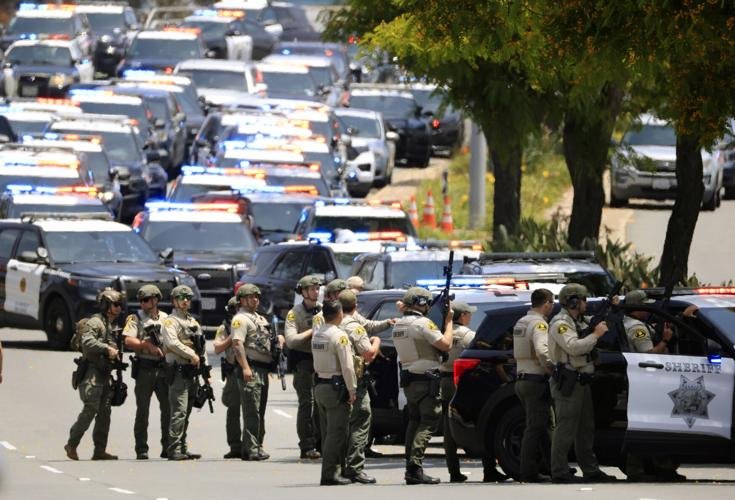
San Diego, May 2026 — A deadly shooting at the Islamic Center of San Diego has once again shaken the United States, reigniting global concern over rising hostility toward Muslim communities in Western countries.
Authorities confirmed that five people were killed, including three worshippers and two teenage suspects who later died from self-inflicted gunshot wounds, after an armed attack outside one of the largest mosques in California. The FBI has joined the investigation, which is being treated as a potential hate crime.
The attack took place shortly before midday prayer, when two teenage gunmen opened fire outside the mosque complex. Among the victims was a security guard who reportedly tried to intervene and prevent further casualties. Children inside the mosque’s religious school were safely evacuated.
Officials said evidence recovered from the suspects’ vehicle and weapons suggested anti-Islamic motives, though investigations are still ongoing.
“This is every community’s worst nightmare,” said San Diego Police Chief Scott Wahl, adding that the case is being reviewed as a possible hate crime.
The tragedy has sent shockwaves across the country and added to growing concerns about the safety of Muslim places of worship in the West.
A Pattern of Rising Islamophobia
The San Diego attack is not an isolated incident. It comes amid a broader pattern of Islamophobia-related violence, harassment, and discrimination across the United States and Europe over the past five years.
Islamophobia: UK Police Arrests 90 Protesters Following Anti-Muslim Riots Across Country
In the United States alone, FBI data shows between 150 and 300 anti-Muslim hate crimes annually in recent years. Civil rights organizations, however, argue the real number is significantly higher due to underreporting.
Across Europe, monitoring groups in countries such as the UK, France, and Germany report thousands of Islamophobia-related incidents each year, ranging from physical assaults to vandalism and online threats.
‘Heroic’ security guard among 3 killed in shooting at San Diego Islamic Center
In the UK, for example, anti-Muslim advocacy groups recorded a sharp surge in Islamophobic incidents in 2024, marking one of the highest levels in recent years.
Qur’an Desecration Incidents Add to Tensions
Alongside physical attacks, the past three years have also seen a controversial rise in public Qur’an desecration events, particularly in Northern Europe.
Sweden and Denmark became focal points in 2023, when repeated public burnings of the Qur’an by far-right activists sparked international protests and diplomatic crises.
Denmark later introduced legislation criminalizing the burning or desecration of religious texts, following widespread outrage.
Resilience in the Face of Terror: Analyzing the Daish-Claimed Attack in Oman
Across Europe, analysts estimate dozens of such incidents between 2022 and 2025, most concentrated in Scandinavia and carried out by extremist fringe groups. While rare in the United States, similar symbolic acts have occasionally surfaced during protests or extremist gatherings.
Human rights observers warn that such actions, even when legally protected under free speech laws in some countries, have fuelled social polarization and increased fear among Muslim communities.
Experts Warn of Growing Social Divide
Security analysts and human rights experts say the combination of violent attacks and symbolic provocations is creating a dangerous climate.
Dr. Nadia Rahman, a London-based researcher on religious discrimination, says the trend is deeply concerning.
“We are witnessing a normalization of anti-Muslim sentiment in parts of the West. It ranges from online hate speech to physical violence and even attacks on places of worship. The concern is not just isolated incidents, but the cumulative psychological and social impact on Muslim communities.”
Similarly, Prof. Daniel Mercer, a U.S.-based terrorism and extremism expert, warns that mosque attacks are becoming “symbolically significant targets.”
“Places of worship are soft targets. When they are attacked, the intention is often not only physical harm but also intimidation of an entire community,” he said.
Data Snapshot (Last 5 Years)
A review of official and NGO data highlights the scale of the issue:
- United States:
- ~150–300 anti-Muslim hate crimes annually (FBI recorded range)
- Thousands of broader discrimination complaints (civil rights groups)
- Europe:
- Several thousand Islamophobia-related incidents per year (UK, France, Germany combined estimates)
- Rising reports of harassment and mosque vandalism
- Qur’an desecration incidents (Europe, 2022–2025):
- Estimated 20–30+ documented public cases
- Concentrated in Sweden and Denmark during 2023–2024
Experts stress that these figures are likely underestimates, as many incidents go unreported or are not officially categorized as hate crimes.
Global Image and Political Fallout
The rise in such incidents has sparked debate over how Western democracies protect religious minorities.
Critics argue that repeated attacks on mosques and religious symbols risk damaging the international image of tolerance and pluralism that these countries promote globally.
Muslim advocacy groups say governments must take stronger preventive measures, including improved security for religious sites, better monitoring of extremist networks, and stronger legal frameworks against hate crimes.
Political Response and Calls for Action
Following the San Diego attack, political leaders across party lines condemned the violence. President Donald Trump described it as a “terrible situation” and called for unity in response to attacks on places of worship.
Religious leaders and civil rights groups have urged the administration to strengthen protections for minority communities, especially in light of increasing threats against mosques, synagogues, and churches.
Analysts say the issue has become not just a domestic security concern but a broader test of social cohesion in multicultural societies.
The San Diego mosque attack stands as the latest and most violent reminder of a troubling trend: rising hostility toward Muslims in parts of the West, expressed through both physical violence and symbolic provocations.
While governments continue to condemn such acts, experts warn that without sustained policy intervention and community engagement, the cycle of fear and retaliation risks deepening divisions further.
For now, communities across the United States and Europe are left grappling with a difficult question — how to preserve freedom, security, and coexistence in an increasingly polarized world.