



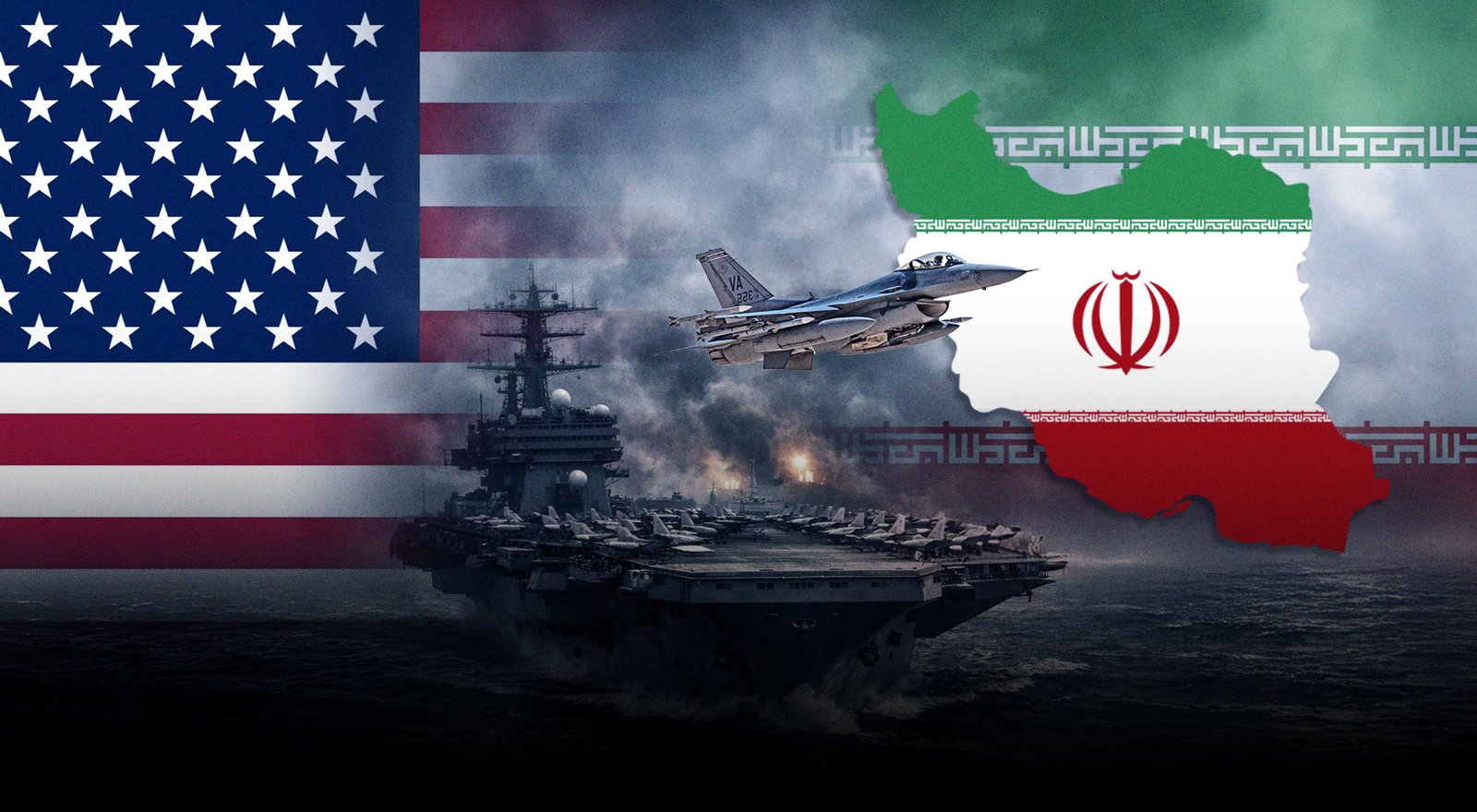
- Iran war nearing end as U.S., China, and Russia align diplomatically
- Stock markets rally globally; Dow hits record amid peace optimism
- Oil prices fall as fears over Strait of Hormuz disruption ease
- Trump under pressure to secure decisive deal before midterm elections
The nearly three-month-long Iran war appears to be approaching its final chapter, as a convergence of geopolitical maneuvering, economic pressure, and backchannel diplomacy signals a clear shift toward de-escalation. From Washington to Moscow and Beijing, the world’s most influential capitals are quietly—but decisively—laying the groundwork to bring the conflict to an end. Financial markets have already begun pricing in that outcome.
On Wall Street, optimism is unmistakable. The Dow Jones Industrial Average surged to a record close of 50,286—its first in over three months—reflecting renewed investor confidence that the worst of the geopolitical shock may be over. The S&P 500 and Nasdaq also posted modest gains, while Asian markets rallied sharply, led by technology and AI-driven stocks. The underlying message is clear: markets believe the Iran war is not only de-escalating, but heading toward a resolution.
Energy markets echoed this sentiment. Brent crude, which had surged to $108 per barrel amid fears of prolonged disruption in the Strait of Hormuz, fell 2.3% to $102.58. The decline underscores expectations that one of the world’s most critical النفط chokepoints will soon reopen under a negotiated framework, easing pressure on global supply chains and inflation.
‘Some good signs’ a US-Iran deal to end war could be in sight, Marco Rubio reveals
Behind the scenes, diplomatic activity has intensified. In Moscow, Kremlin spokesperson Dmitry Peskov confirmed that President Vladimir Putin discussed a proposal with Chinese President Xi Jinping to transfer Iran’s enriched uranium stockpile to Russia—a potential breakthrough that could resolve one of the war’s most contentious issues. While details remain confidential, the mere fact that such a proposal is being actively considered indicates that major powers are aligned on preventing further escalation.
Trump Gas Tax Suspension Plan Targets Soaring Fuel Prices Amid Iran War — Will Shehbaz Sharif Follow?
In Washington, U.S. Secretary of State Marco Rubio struck a cautiously optimistic tone, acknowledging “good signs” that a deal could be within reach. While he warned against overconfidence, his remarks—combined with ongoing indirect talks between Tehran and Washington via Pakistani mediators—suggest that negotiations have entered a serious phase.
There are still sticking points. Iran’s insistence on imposing tolls in the Strait of Hormuz remains a red line for the international community, and its refusal—at least publicly—to relinquish enriched uranium complicates matters. Yet these issues increasingly appear to be part of final-stage bargaining rather than fundamental obstacles.
The Straitjackets of Diplomacy: Trump’s High-Stakes Gamble as Iran Ceasefire Teeters
Crucially, the political calculus in Washington is shifting. President Donald Trump, who initially embraced the conflict as a demonstration of strength, now faces mounting pressure to conclude it decisively ahead of the 2026 midterm elections. A prolonged or inconclusive war risks economic fallout and political backlash. Ending the war—on terms that can be framed as a strategic victory—has become not just desirable, but necessary.
This convergence of incentives is what makes the current moment different. The United States wants closure. China wants stability for global trade. Russia seeks strategic leverage while avoiding wider conflict. Regional actors, including Gulf states, are desperate for de-escalation. In short, all stakeholders that matter have done their homework—and the conclusion is increasingly the same: the war must end.
For the global economy, the implications are significant. A resolution would stabilize energy prices, restore investor confidence, and allow central banks to refocus on growth rather than crisis management. For markets already showing resilience, it could mark the beginning of a sustained upward trajectory.
While uncertainties remain, the direction of travel is unmistakable. The Iran war is not just winding down—it is heading toward an end. And for a world fatigued by conflict and volatility, that is undeniably good news.