



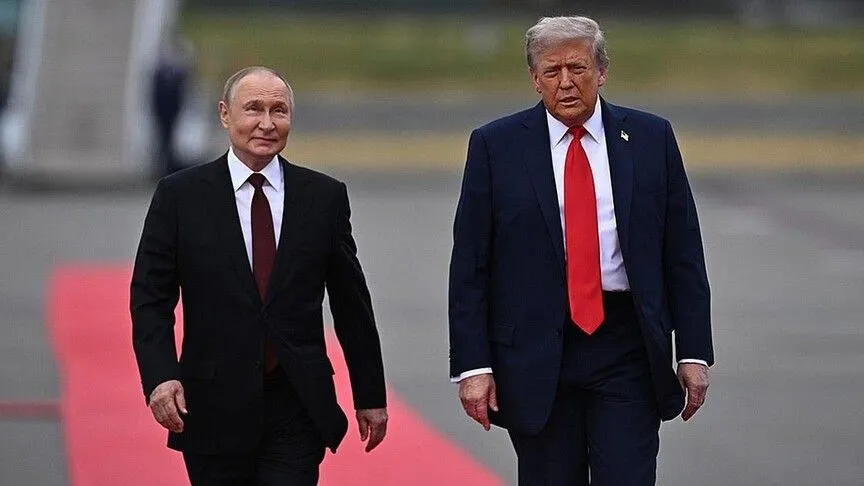
- Putin Trump Shenzhen summit dynamics center on Russia pushing for a Ukraine settlement that locks in territorial gains, blocks NATO expansion, and sidelines European peacekeepers.
- Moscow is pressing for durable sanctions relief, unclogged global oil exports, and renewed access to semiconductors, enterprise software, and foreign IT stakes.
- Leveraging influence over Iran and strategic optics alongside Xi Jinping, Putin aims to extract geopolitical concessions and restore Russia’s standing at the top table.
As Donald Trump, Xi Jinping, and Vladimir Putin converge in Shenzhen around the 2026 APEC leaders’ summit, the world is watching a historic collision of power. Trump has openly signaled his willingness to sit down with both Putin and Xi to tackle nuclear arms limits following the expiration of the last U.S.-Russia nuclear pact, alongside the war in Ukraine, the conflict involving Iran, and global technology.
Across global newsrooms, policy think tanks, and business networks on LinkedIn and X, analysts see a clear imbalance in what each leader expects from a three-way table.
While Trump arrives aiming for high-profile deals and strategic leverage, Putin is treating Shenzhen as an opportunity to reshape the rules of global engagement in Moscow’s favor—seeking a settlement on the war in Ukraine, technology access for Russian companies, stakes in IT, and open oil channels to international markets, while quietly pursuing several deeper strategic prizes.
1. A War Settlement in Ukraine That Locks in Gains
Putin wants an end to the fighting in Ukraine on terms that cement Russia’s battlefield position rather than forcing a full retreat. By engaging Trump alongside Xi, Moscow hopes to tilt diplomatic momentum away from Kyiv and its European backers.
Three Agendas, One Table: Trump, Xi and Putin Prepare for Historic China Summit
In practical terms, the Kremlin wants Washington to accept territorial realities on the ground, keep Ukraine out of NATO, block foreign troops or peacekeepers from patrolling a post-war border, and sustain pressure on Kyiv to make concessions.
2. Unclogging Russian Oil and Easing Sanctions Pressure
Energy remains the lifeblood of Russia’s state budget and war economy. Ahead of the APEC gatherings, Putin told business leaders that sanctions, tariffs, and trade restrictions have lost their effectiveness. Even as reports point to selective openings—such as temporary diesel arrangements and shifting maritime dynamics tied to Middle East tensions—Moscow wants broader, durable relief.
READ MORE: What Putin Wants From Trump at the APEC Summit
That means fewer obstacles for Russian crude and refined fuels, reduced friction around shipping and insurance, and room for global buyers and energy partners to do business with Russian firms without fear of secondary penalties.
3. Technology Lifelines and IT Stakes
Holding talks in Shenzhen—one of the world’s premier technology and hardware hubs—highlights how critical tech has become to geopolitical bargaining.
Sanctions and export controls have constrained Russia’s access to advanced chips, enterprise software, and modern industrial equipment, pushing Moscow closer to Asian suppliers.
READ NEXT: US, China, Russia summit: Trump, Xi, and Putin Chart a New Global Security Architecture
Putin wants relief from tech restrictions that lets Russian companies modernize, secure IT partnerships and equity stakes, and build digital and artificial intelligence capabilities without remaining permanently locked out of global supply chains.
4. Bargaining Chips in the Iran Crisis and Middle East
With the conflict involving Iran and shipping security around key waterways like the Strait of Hormuz weighing heavily on Washington and global markets, Putin sees an opening for transactional diplomacy. Moscow maintains deep ties with Tehran and understands that oil price shocks and regional escalation complicate U.S. strategy. Rather than offering goodwill for free, the Kremlin can dangle diplomatic influence or restraint in the Middle East in exchange for American flexibility on Eastern Europe and economic sanctions.
5. A New Nuclear and European Security Equation
With bilateral nuclear arms caps expired, Trump has pointed to nuclear weapons as a central reason to talk with both Putin and Xi. Putin wants any renewed strategic stability conversation to serve Russia’s broader security demands in Europe—curbing NATO’s eastern posture, limiting U.S. and allied military footprints near Russia’s borders, and treating Moscow as an equal arbiter of continental security rather than an isolated adversary.
6. The Prestige of a Three-Way Table
Perhaps Putin’s most immediate gain is simply sitting at the center of a three-way summit with the leaders of the United States and China. Many commentators have compared the dynamic to a modern Yalta-style moment where major powers negotiate spheres of influence. For Putin, sharing the spotlight in Shenzhen projects strength at home, reinforces his push for a “multipolar” order, and boosts Russia’s long-term standing in the Asia-Pacific, where Moscow has even looked ahead to hosting APEC in 2035.
Whether a trilateral meeting in China produces breakthroughs or merely underscores deep divides over Ukraine, Iran, chips, and nuclear weapons remains to be seen. What is unmistakable is that Putin arrives with a sweeping checklist—using the promise of war off-ramps, energy relief, and crisis diplomacy to pull Russia back into the global mainstream on its own terms.