



-
U.S. Afghan Immigration Crisis: Trump administration halts all Afghan immigration and asylum cases after the D.C. shooting involving Afghan national Rahmanullah Lakanwal.
- Homeland Security claims the suspect was radicalized inside the U.S., raising questions about domestic networks and vetting failures.
- U.S. agencies launch mass re-vetting of immigrants approved under the Biden administration, with potential legal status reversals.
- Advocacy groups warn against politicization, saying isolated incidents are being framed as a broader “U.S. Afghan Immigration Crisis.”
The political temperature in Washington, D.C. has surged to dangerous new heights after the deadly shooting of two National Guard members last week — a tragedy that has triggered the most sweeping immigration freeze involving Afghan nationals since the U.S. withdrawal from Afghanistan in August 2021. The suspect, 29-year-old Afghan national Rahmanullah Lakanwal, had been living in the United States for four years. Now his case has exploded into a national-security flashpoint, amplifying what insiders describe as a growing U.S. Afghan Immigration Crisis.
A Deadly Attack That Shook Washington
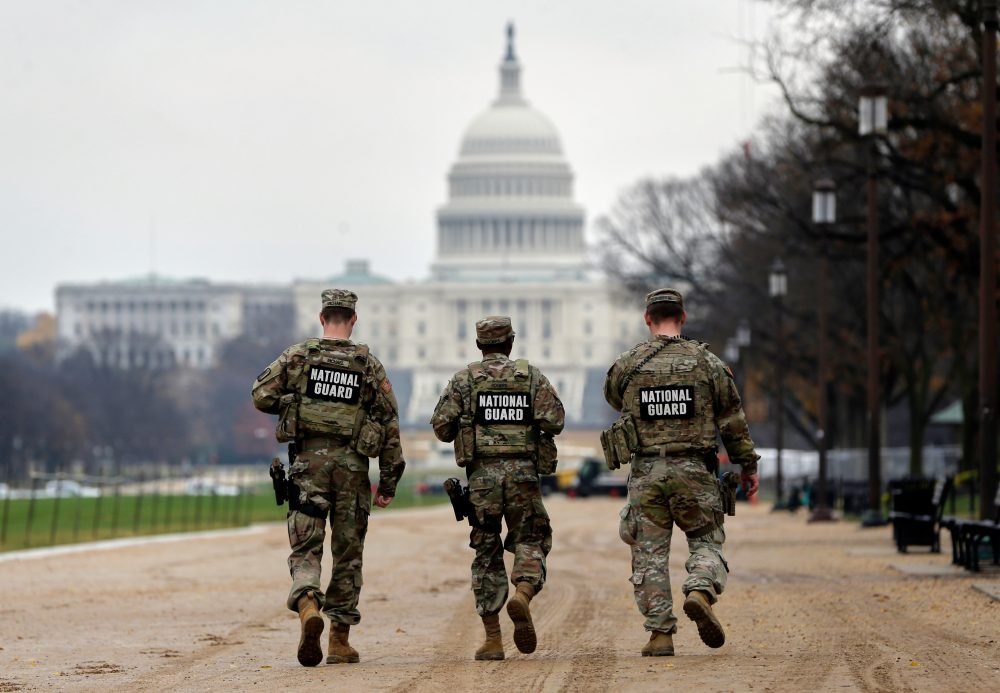
The shooting unfolded near the White House on Wednesday when Lakanwal allegedly opened fire on National Guard members deployed under President Trump’s long-running “crime emergency” declaration. Sarah Beckstrom, a 20-year-old guard member from West Virginia, died at the scene. Another soldier, Andrew Wolfe, 24, remains hospitalized.
U.S. Asylum Crisis: Trump Halts Afghan Visas and Freezes Refugee Decisions
Authorities say Lakanwal used a .357 Smith & Wesson revolver and fired multiple rounds before other troops subdued him. He was taken to a hospital, where he remains under federal custody.
U.S. Attorney Jeanine Pirro confirmed that first-degree murder charges are being filed, along with attempted murder. Speaking to Fox News, she said prosecutors would seek the “maximum sentence allowable.”
The attack rattled Washington — a city already on edge due to heightened patrols, heated political rhetoric, and expanding federal authority.
U.S. Afghan Immigration Crisis: The Trump Administration’s Sweeping Response
Within hours, the Trump administration moved aggressively, freezing:
-
All Afghan immigration cases
-
All pending asylum claims across nationalities
-
Hundreds of thousands of previously decided cases, which officials say will be reopened for “full re-vetting”
Homeland Security Secretary Kristi Noem, appearing on NBC’s Meet the Press, said Lakanwal was likely “radicalized in the United States” after arriving during the Biden administration’s resettlement program.
“These are systemic failures,” she said. “We believe he was radicalized here, through connections in his home community.”
READ MORE: Suspect in National Guard Shooting ‘Radicalized’ After Entry to U.S., Noem Says
A senior DHS official later confirmed to The Islamabad Telegraph that the freeze could affect “well over half a million” people — a seismic shift in U.S. immigration policy.
USCIS Director Joe Edlow went further Friday night, announcing a full halt to all asylum decisions until “maximum vetting” procedures are implemented.
For critics, this marks the formal beginning of what Trump advisers are privately calling “reverse migration” — a strategy aimed at reviewing, suspending, or revoking existing visas from countries “of concern.”
Afghan Background, Radicalization Fears, and Intelligence Ties
The suspect’s background has only complicated the narrative. According to AfghanEvac, a U.S.-based nonprofit that resettles Afghan evacuees, Lakanwal previously served in a CIA-partnered elite counterterrorism unit in Afghanistan. Former CIA Director John Ratcliffe confirmed the agency had been aware of his service.
Lakanwal arrived in the United States in September 2021, was vetted through multiple security screenings, and received asylum in April.
ALSO READ: The Trump–Asim Munir Strategic Partnership: A New Era of Confidence and Cooperation
His alleged radicalization inside the United States — not Afghanistan — raises troubling questions. If true, it undermines arguments that the attack stemmed from Biden-era vetting failures and shifts focus to domestic extremist networks operating inside immigrant communities.
Meanwhile, the arrest of another Afghan national in Texas earlier in the week — unrelated but politically explosive — has intensified scrutiny. DHS spokeswoman Tricia McLaughlin said the man had allegedly threatened to blow up a building. Yet officials, including AfghanEvac President Shawn VanDiver, insist the two incidents have zero connection.
“Nothing about this case indicates a broader trend or national-security element,” VanDiver said. “This otherwise local matter is being pulled into a wider political narrative.”
A Crisis Politicized — and Its Global Repercussions
For many observers, the shooting — tragic on its own — has evolved into a political earthquake. The Trump administration has used the incident to justify a historic rollback of asylum rights, fuel public fears surrounding Afghan migrants, and revisit the Biden administration’s entire post-withdrawal refugee program.
Geopolitically, the implications are significant.
Pakistan, which facilitated multiple evacuations and humanitarian corridors during the 2021 crisis, is watching developments closely. Islamabad now fears that Afghan refugee stigmatization in the West could spill over into broader global attitudes, affecting aid flows, repatriation negotiations, and counterterrorism partnerships.
European governments — especially France, Germany, and the U.K. — are also bracing for pressure from Washington to tighten their own Afghan-related immigration programs.
What began as a single act of violence may now determine the future of Afghan asylum worldwide.
The U.S. Afghan Immigration Crisis, once a quiet bureaucratic issue, has erupted into a defining policy battle of Trump’s second term — and a test that will shape global migration politics for years to come.