


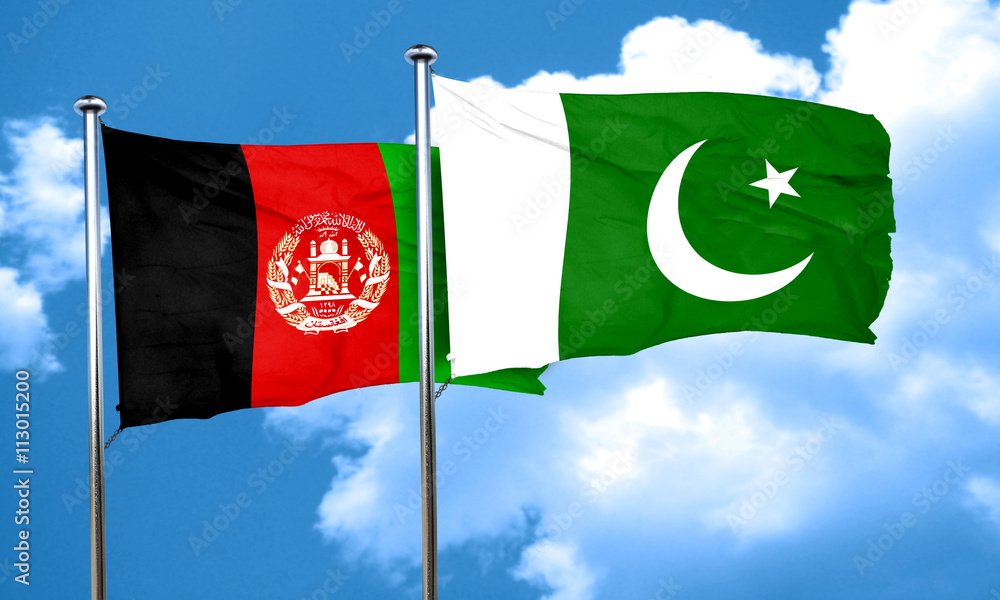
-
Pakistan’s delegation presented logical, legitimate demands for peace and security.
-
Afghan Taliban delegation repeatedly changed stance under Kabul’s influence.
-
Qatar, Saudi Arabia, and Turkey supported Pakistan’s fair and justified position.
-
Final round of talks expected as Pakistan pushes for decisive action against terrorism.
In Istanbul’s quiet autumn air, the faint echo of history could almost be heard — the sound of two brotherly nations trying once more to redefine the fragile frontier of trust that binds them. On the third consecutive day of the Pakistan–Afghan Taliban talks, diplomats and intelligence envoys labored deep into the night — eighteen grueling hours of negotiation that often came close to breakthrough but always, somehow, drifted back to deadlock.
What was at stake was nothing less than regional peace. And yet, despite the obstacles, Pakistan’s position — according to multiple well-placed diplomatic sources — remained logical, principled, and aimed squarely at achieving stability for both sides of the Durand Line.
“Pakistan’s demands are legitimate and necessary for lasting peace,” one senior official close to the talks told The Islamabad Telegraph late Tuesday. “Every host nation involved — Qatar, Saudi Arabia, and Turkey — recognizes that these are not unreasonable conditions. They are obligations that must be fulfilled for the security of both nations.”
The Background: From Cross-Border Attacks to Cross-Table Diplomacy
The Istanbul dialogue comes after weeks of escalating tension along the Pakistan-Afghanistan border. Earlier this year, armed groups linked to the Tehrik-e-Taliban Pakistan (TTP) — operating from sanctuaries inside Afghanistan — launched multiple deadly attacks on Pakistani border checkposts, killing soldiers and civilians alike. Islamabad, which had shown remarkable restraint for months, was finally compelled to respond decisively.
In a rare but calculated show of resolve, Pakistani forces carried out precision strikes targeting militant hideouts deep inside Afghan territory — including locations near Kabul and Kandahar. The operation sent a clear message: while Pakistan seeks peace, it will not tolerate cross-border terrorism that undermines national sovereignty.
Pakistan Draws a Red Line in Istanbul Talks with Afghan Taliban over Cross-Border Terrorism
It was after these high-stakes exchanges that regional powers — notably Qatar, Saudi Arabia, and Turkey — stepped in to mediate, recognizing that unchecked hostility between two Muslim nations would only empower extremist networks and destabilize the wider region.
Inside the Talks: Logic Meets Resistance
The talks in Istanbul, now in their critical phase, are being held behind closed doors at a secure diplomatic venue on the Bosphorus. The Pakistani delegation, composed of senior diplomats, intelligence officials, and military representatives, has laid out a comprehensive peace proposal centered on verifiable actions by the Afghan Taliban to dismantle TTP safe havens.
READ MORE: Ceasefire in Doha: How Pakistan’s Stunning Response Forced Kabul to the Table
According to sources privy to the discussions, Pakistan’s stance is both logical and legitimate — demanding nothing more than the cessation of cross-border attacks and credible steps to prevent Afghan soil from being used against Pakistan.
The Afghan Taliban delegation, however, has displayed inconsistency. Initially, they agreed — even in front of mediators — that Pakistan’s concerns were valid and that decisive action against TTP elements was justified. Yet, each time progress seemed within reach, their tone shifted after consulting with Kabul.
“The Afghan side repeatedly acknowledged the legitimacy of Pakistan’s demands,” one source confirmed. “But after each consultation with their superiors in Kabul, their position changed completely. It’s clear the delegation is acting under direct instructions, not independent reasoning.”
Host nations — especially Qatar and Turkey — reportedly expressed their own frustrations. Diplomats from these countries, according to insiders, conveyed to the Afghan side that Pakistan’s demands were fair and essential for regional peace. Yet Kabul’s response remained lukewarm, if not evasive.
ALSO READ: No resolution as Afghanistan, Pakistan end peace talks in Istanbul, sources say
Deadlock and Determination:
Eighteen hours of talks on the third day brought moments of cautious optimism. There were instances when the Afghan delegation nodded in agreement, recognizing the moral and political validity of Pakistan’s requests. But progress repeatedly collapsed under the weight of “illogical and illegal advice,” as one Pakistani official described it, flowing directly from Kabul.
“There are elements within the Kabul administration who seem to prefer confrontation over cooperation,” said another diplomatic observer in Istanbul. “They are not serving Afghanistan’s interests; they are serving an agenda of instability.”
Despite this resistance, Pakistan has shown remarkable composure. Its delegation has emphasized that peace between the two countries is not only possible but imperative. Islamabad’s proposal, sources say, envisions a future where trade, energy projects, and border security mechanisms replace the current cycle of mistrust.
Host countries share this vision. Turkey, in particular, has pushed for a “final round” of deliberations that could result in a joint mechanism for counterterrorism cooperation. Qatar and Saudi Arabia have echoed this sentiment, reminding both delegations that unity between Islamabad and Kabul is key to the prosperity of the wider Muslim world.
The Way Forward: Hope Amid Hard Bargaining
Even as frustration brews, there is cautious optimism among mediators. A final round of dialogue is expected within hours — a “last-ditch effort,” according to Turkish officials — to bridge the gaps before the delegations return home.
Pakistan remains unwavering. Its delegation’s core message has not changed: only decisive, verifiable action against terrorist groups like the TTP can restore mutual confidence and allow both nations to move toward prosperity.
Islamabad’s demands are not about dominance, officials stress, but about mutual survival. Afghanistan’s economic revival, too, depends on secure borders, cross-border trade, and restored trust with Pakistan — its largest trading partner and primary gateway to the world.
In Istanbul, even the most skeptical diplomats now quietly admit what Pakistan has maintained from day one: that the road to regional peace runs through reason, not rhetoric.
“Pakistan is not asking for favors,” one negotiator said. “It is asking for logic, legality, and brotherhood to prevail. If Kabul listens to reason, peace will follow.”
A Final Test of Brotherhood
As the sunlight gives bath to the Bosphorus, the two delegations prepare for what could be their final sitting. Whether it ends in a breakthrough or another stalemate may depend on Kabul’s willingness to act independently of hardliners who profit from chaos.
But one truth is already evident: Pakistan’s diplomatic clarity, patience, and insistence on logic have won the respect of all mediators and even quiet acknowledgment from across the table.
The Istanbul talks may have been tough, but they have also reaffirmed something larger — that Pakistan’s vision for peace in the region remains the only path toward shared prosperity and enduring stability between two brotherly nations.