



- Doha Breakthrough: Pakistan and Afghanistan agreed to an immediate ceasefire after Qatar- and Turkey-mediated talks, ending a week of deadly border clashes.
- Pakistan’s Powerful Response: Following the martyrdom of several soldiers in unprovoked Afghan attacks, Pakistan carried out precision airstrikes and ground operations that destroyed TTP and Taliban hideouts in Kabul, Kandahar, and Spin Boldak.
- Public and Policy Shift: The Pakistani nation united behind its armed forces as authorities launched crackdowns on illegal Afghan residents, reinforcing the country’s “Pakistan First” security doctrine.
- Asim Munir’s Leadership: Under Field Marshal Asim Munir, Pakistan’s military displayed strength, discipline, and strategic clarity — compelling Kabul to return to the negotiating table and respect Pakistan’s sovereignty.
The gleaming marble corridors of Doha’s diplomatic quarter shimmered under the desert sun as Pakistani and Afghan delegations sat across from each other in a room thick with tension — and exhaustion. After a week of deadly border clashes that left scores dead on both sides, the talks mediated by Qatar and Turkey ended with a fragile but immediate ceasefire.
By Sunday evening, Pakistan’s Defense Minister Khawaja Muhammad Asif confirmed the breakthrough on X: “The ceasefire between Pakistan and Afghanistan has been finalized. Both sides will meet again on October 25 in Istanbul to discuss detailed matters.”
For the world watching from Washington to Riyadh, the agreement marked a moment of cautious optimism. Yet behind the handshake lay a powerful truth — Pakistan had spoken in the only language aggressors understood: decisive military strength.
The Clashes That Sparked the Fire
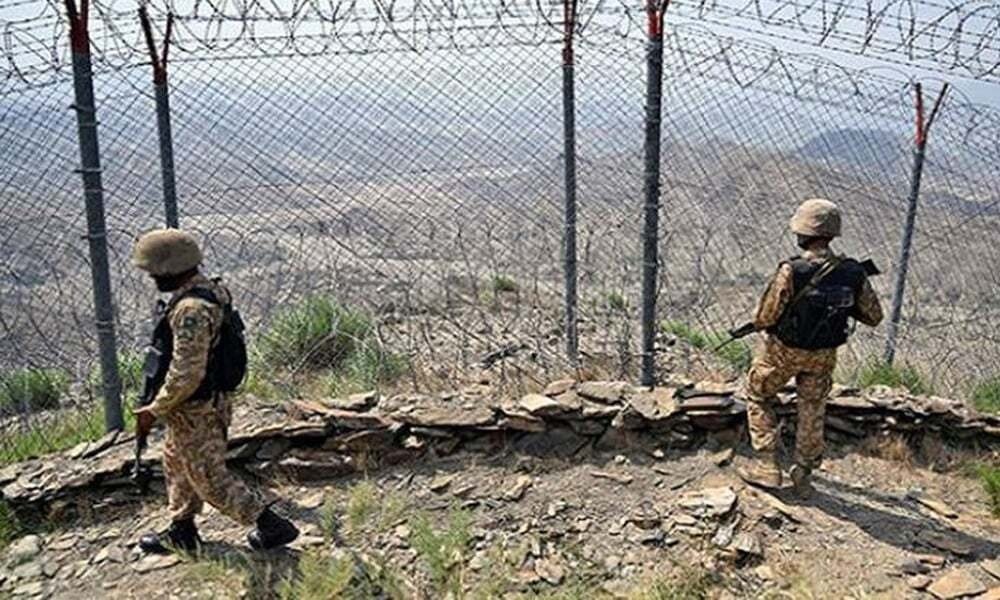
The escalation began when Afghan Taliban fighters launched unprovoked cross-border attacks on multiple Pakistani checkposts along the Chaman-Spin Boldak and Kurram sectors. The assault martyred several Pakistani soldiers, men stationed in some of the most unforgiving terrain on earth. Islamabad’s restraint snapped. Within hours, Field Marshal Asim Munir ordered a “measured but overwhelming” response — and Pakistan’s air and ground forces roared to life.
As Pakistan mourned its martyrs, its skies ignited. Fighter jets screamed over Balochistan’s mountains, crossing the invisible line into Afghan territory where intelligence pinpointed hideouts of the Tehreek-e-Taliban Pakistan (TTP) and their facilitators. Security sources confirmed that the Pakistan Air Force struck with surgical precision, targeting Taliban battalion headquarters and Khawarij sanctuaries in Kandahar, Kabul, and Spin Boldak — all carefully selected and isolated from civilian areas.
The strikes were followed by coordinated ground operations. Pakistan’s elite troops advanced miles into Afghan territory, dismantling terrorist camps and eliminating Indian-backed networks that had long operated with impunity. “Every target was verified, every strike justified,” said a senior military officer. “The operation was not just retaliation; it was justice.”
Operation Swift Resolve — Pakistan’s Turning Point
Field Marshal Asim Munir’s leadership during the crisis demonstrated a new doctrine in Pakistan’s defense strategy — a doctrine that places deterrence and national sovereignty above all else. Known among officers as Operation Swift Resolve, the campaign was characterized by precision, speed, and discipline.
For years, Pakistan had exercised patience as the Afghan Taliban turned a blind eye to TTP sanctuaries. But the martyrdom of Pakistani soldiers at the border became the final straw. “Enough was enough,” said a senior defense analyst in Islamabad. “Pakistan’s message was clear: any aggression against its forces will be met with a response one step stronger.”
Within hours of the strikes, the Afghan Taliban found themselves reeling — their posts destroyed, their morale shattered. Reports from Kandahar and Kabul confirmed significant militant casualties and the destruction of key logistic centers. Even Taliban-controlled media struggled to spin the outcome, resorting instead to unverified claims of civilian losses — claims swiftly rejected by Pakistan’s Information Minister Attaullah Tarar, who stated, “All targets were verified militant positions. No civilian areas were hit.”
Public Sentiment: Pakistan First
Back home, the Pakistani public rallied behind their armed forces with unprecedented unity. In cities from Karachi to Peshawar, citizens flooded social media and streets with messages of solidarity, praising the military’s resolve to strike back at the aggressors. “For too long, we’ve tolerated Afghan-based terrorism and Indian-backed proxies,” one shopkeeper in Lahore told The Islamabad Telegraph. “It’s time the world knows — Pakistan will defend itself.”
Public anger also turned toward illegal Afghan residents, many accused of providing logistical cover or intelligence to militants. In Karachi, security authorities began a large-scale operation to evacuate Afghans living unlawfully in Pakistan. Across provinces, people called on the government to repatriate illegal migrants, arguing that Pakistan’s leniency had been repaid with blood.
The crackdown, while humanitarian in execution, reflected a broader national consensus: Pakistan must now prioritize internal security and border integrity above all else.
A Shift in Policy — Pakistan First
The recent violence has forced Islamabad to rethink its Afghan policy — a recalibration long overdue. Under Asim Munir’s command, Pakistan is steering toward what analysts call a “Pakistan First” doctrine: an unapologetic assertion of national interest in both security and diplomacy.
For decades, Pakistan had extended goodwill, hosting millions of Afghan refugees, facilitating peace talks, and supporting reconstruction. Yet, the Taliban regime’s inability — or unwillingness — to curb anti-Pakistan militants turned cooperation into confrontation.
“The Afghan government must understand that Pakistan’s patience should not be mistaken for weakness,” Field Marshal Asim Munir said during a recent military ceremony. “Our forces are capable, ready, and resolute.”
His words reflected more than military resolve — they signaled a new strategic era. In this recalibrated vision, Pakistan seeks peace, but not at the cost of sovereignty. The Doha ceasefire, born from fire and sacrifice, is not a concession — it is a diplomatic window secured by the strength of the Pakistan Army.
The Road Ahead
The coming talks in Istanbul will determine whether the ceasefire endures or collapses under old mistrust. But one reality has already emerged from the dust of Spin Boldak: Pakistan will no longer absorb aggression in silence. Its fighter jets and soldiers have reminded the region — and the world — that peace is Pakistan’s preference, but security is its priority.
From Doha’s negotiation tables to the rugged mountains of Chaman, Pakistan has proven once again that its unity, its resilience, and its will to defend its borders remain unshakable. In a volatile region rife with proxies and provocations, Islamabad’s message is unmistakable: Pakistan First — always, and forever.