



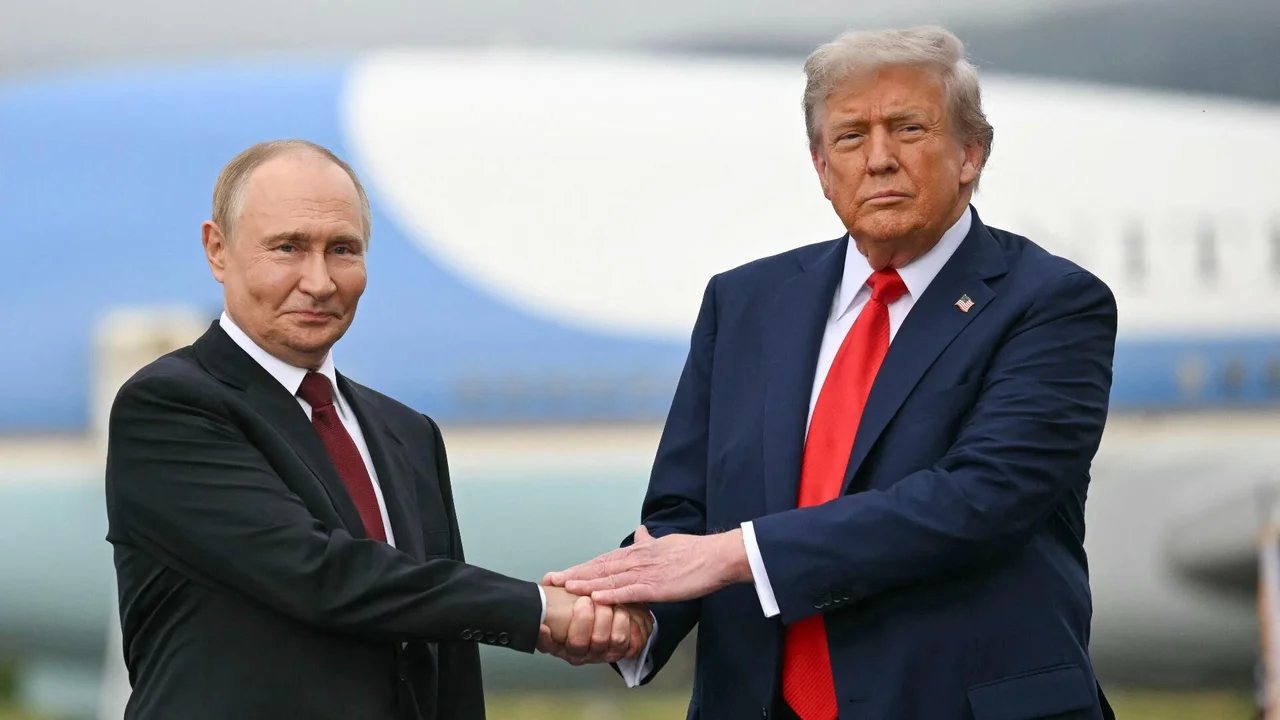
- Trump Ukraine Peace Deal: Trump says Ukraine is losing but has not finalized a peace agreement.
- Russia’s demands exceed its battlefield gains, complicating negotiations.
- U.S. political divisions slow Trump’s ability to impose a settlement.
- No breakthrough expected this winter despite mounting rhetoric.
President Donald Trump has now publicly declared that Ukraine is losing the war, a sharp reversal from his earlier statements that Kyiv could regain all captured territory with U.S. support. If the commander-in-chief of Ukraine’s largest military backer is so certain of Kyiv’s looming defeat, the question practically begs itself: What is Trump waiting for—and how long will it take before he delivers the promised peace deal with Russia?
Trump’s political rhetoric has shifted dramatically in recent months. His September optimism—when he hinted at sending Tomahawk cruise missiles to Kyiv—has been replaced with clear frustration and a message that Ukraine must accept a U.S.-backed peace formula. Yet the deal remains elusive, and the battlefield shows no decisive Russian breakthrough. The contradiction defines Washington’s Ukraine policy today.
Russia Frozen Assets: Moscow Warns EU Over Controversial Ukraine Funding Plan
At the core of Trump’s calculation is political timing. A quick peace agreement risks being framed domestically as a “concession to Putin.” A delayed one, however, prolongs a war Trump now insists is futile. This leaves the administration in a self-made strategic vacuum: declaring Ukraine has lost, while waiting for a moment that might never come.
READ MORE: Trump Says Ukraine Is Losing the War. Officers on the Front Line Disagree.
What Terms Would Russia Accept?
Any peace deal depends on Moscow’s willingness, and President Vladimir Putin has raised the price. Russian messaging portrays its military as making “steady, inevitable gains,” even though Western intelligence calls them marginal, slow, and extremely costly. Nonetheless, Russia now demands:
- Formal recognition of its control over four occupied regions.
- A Ukrainian commitment to neutrality and no NATO membership.
- A demilitarized “fortress belt” on Ukraine’s side of the border.
These terms are politically impossible for Kyiv—especially when much of the seized territory is still contested. Even Trump’s own advisers admit the current Russian demands are “well beyond what the battlefield justifies.”
ALSO READ: Europe’s Last-Minute Awakening to a Ukraine Peace Deal It Never Truly Owned
Why Trump Hasn’t Closed the Deal
Three factors explain the delay:
1. Domestic political optics.
Trump wants a deal he can sell as a foreign policy victory, not a surrender. A rushed agreement risks appearing pro-Moscow.
2. Unsettled internal U.S. debate.
Vice President JD Vance openly argues Ukraine has no path to victory, urging immediate negotiations. But Trump’s national-security team is divided, slowing movement.
3. Russia projecting strength for leverage.
Putin thrives on ambiguity. Every week of slow attritional gains allows Moscow to claim momentum—even if those gains are minimal.
Trump Ukraine Peace Deal: How Long Will It Take?
Despite Trump’s rhetoric, no final peace framework is expected this winter. Analysts say Washington is waiting for one of two triggers: a genuine Russian breakthrough or a Ukrainian collapse in manpower—neither of which appears imminent.
Trump may believe Ukraine has lost, but his own diplomats understand something else: recognizing a loss is not the same as securing a stable peace. If Washington forces Kyiv into a deal too soon, it could create instability, political backlash, and a cease-fire that collapses within months.
For now, Trump’s message is louder than his policy. Until conditions shift—either on the battlefield or in Moscow—the peace deal he insists is inevitable remains stuck in neutral.
Despite Trump’s certainty that Ukraine has already lost the war, the path to a durable peace remains riddled with political risk, strategic ambiguity, and Moscow’s inflated demands. Until the U.S. administration is willing to confront these contradictions head-on, talk of a swift settlement will remain just that—talk. For now, the world watches as Trump’s rhetoric races ahead of the diplomacy needed to turn his claims into an enforceable peace.