



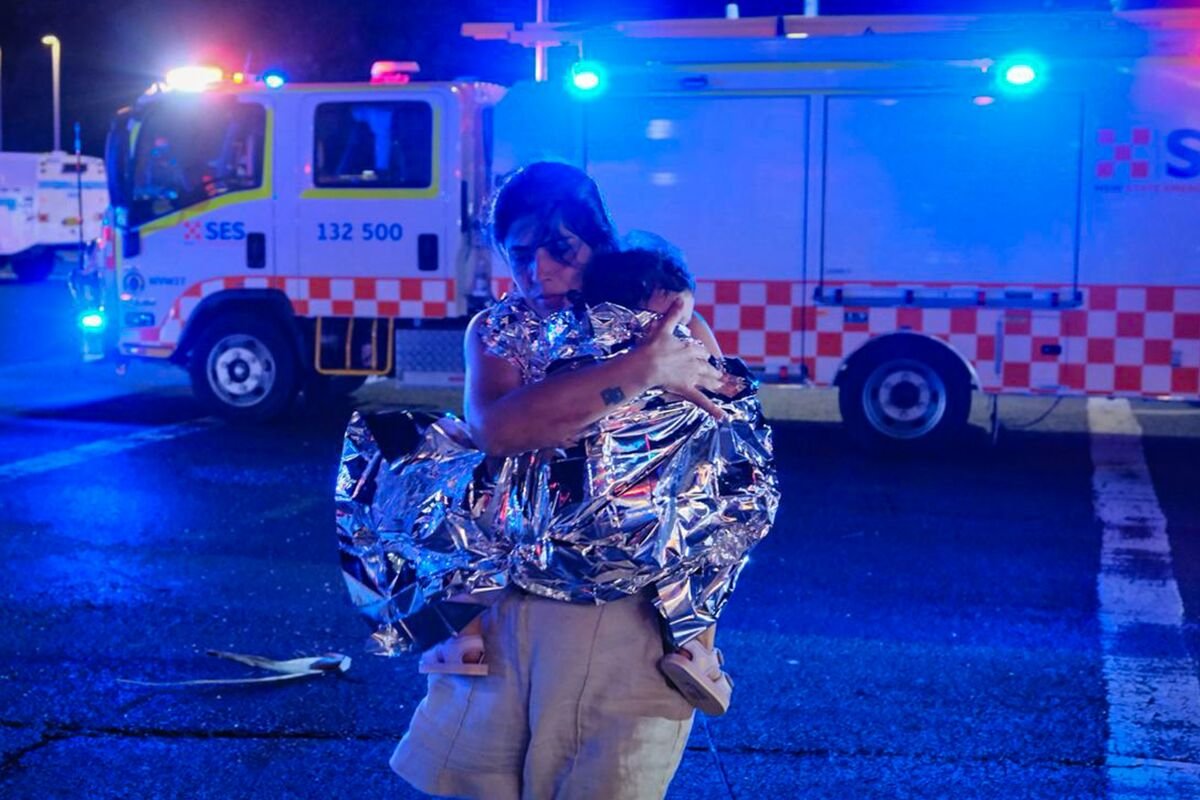
- The Bondi Beach Hanukkah attack was carried out by a father and son inspired by ISIS ideology, highlighting the persistent threat of Islamic State radicalisation.
- Australian authorities are investigating the suspects’ recent travel to the Philippines, where ISIS-linked networks have previously operated.
- The terrorist attack targeted the Jewish community and comes amid a sharp rise in antisemitic incidents across Australia.
- Security agencies have widened counterterrorism investigations to prevent future ISIS-inspired lone-actor and family-based attacks.
Australia is reeling after the Bondi Beach Hanukkah attack, a mass shooting that killed 16 people and has been confirmed by authorities as an act of terrorism inspired by ISIS ideology. The assault, carried out by a father and son, has exposed how Islamic State radicalisation continues to influence individuals and families globally, despite the group’s military defeat in the Middle East.
Police say Sajid Akram, 50, and his 24-year-old son Naveed Akram deliberately targeted a Jewish religious gathering at Sydney’s iconic Bondi Beach. Sajid Akram was shot dead by police during the attack, while his son remains in critical condition. The incident is Australia’s worst mass shooting in nearly 30 years and has triggered nationwide debates on counterterrorism, antisemitism, gun laws, and online radicalisation.
Brondi and Brown University Attack Spark Global Debate on Gun Control
Investigators revealed that both suspects travelled to the Philippines in the weeks before the Bondi attack. Security agencies are examining whether the trip exposed them to extremist networks, as Islamic State-linked cells — though weakened — are still known to operate in parts of southern Philippines.
Police searches uncovered improvised explosive devices, extremist material, and homemade ISIS flags, reinforcing assessments that the attack was ideologically motivated rather than spontaneous.
READ MORE: Brown University Attack Exposes Threats, Reinforces Trump National Security Strategy
Australian Federal Police Commissioner Krissy Barrett said early evidence points to an ISIS-inspired terrorist act, stressing that the violence was driven by extremist ideology, not religion. Authorities have widened the investigation to map online activity, foreign travel, and possible enablers, aiming to prevent copycat attacks in the near future.
ISIS Radicalisation and Global Trends
Security analysts say the Bondi Beach attack reflects a broader global trend: ISIS ideology continues to radicalise thousands of men, women, and even young people through online propaganda, grievance narratives, and lone-actor messaging.
ALSO READ: Gunmen kill at least 16 people during a Jewish celebration on Sydney’s Bondi Beach
The phenomenon has appeared across continents, often intersecting with broader social media trends and algorithm-driven content — sometimes surfacing alongside unrelated viral topics such as celebrity news, sports debates like Mavericks vs Jazz, or pop-culture searches involving names like Anthony Geary or Trump Rob Reiner. Experts warn this blending can allow extremist content to circulate undetected.
Videos showing the younger suspect preaching in public spaces in Sydney have intensified scrutiny over missed warning signs. Counterterrorism officials now acknowledge that family-based radicalisation, where ideology is reinforced within the household, represents a growing and difficult-to-detect threat.
Antisemitism Under the Spotlight
The Bondi Hanukkah shooting comes amid a surge in antisemitic incidents across Australia over the past 16 months. The head of Australia’s intelligence agency has already identified antisemitism as a top threat to life. Israeli Ambassador Amir Maimon, visiting the growing memorial at Bondi, said Jewish Australians are increasingly forced to worship under heavy security — a stark contradiction to Australia’s multicultural identity.
Among the victims were a rabbi, a Holocaust survivor, and a 10-year-old girl, Matilda Britvan. Two police officers remain hospitalised. The attack has left communities shaken and raised urgent questions about how extremist ideologies continue to penetrate open societies.
Preventing the Next Bondi Attack
The federal government is now reviewing gun licensing rules after confirming Sajid Akram legally owned multiple firearms. Intelligence agencies are also focusing on monitoring extremist travel routes, online radicalisation trends, and lone-actor terror signals.
As Bondi Beach slowly returns to daily life under the shadow of grief, the attack stands as a sobering reminder: ISIS no longer needs territory to kill. Its ideology, amplified through global digital trends and personal networks, remains a lethal threat — one Australian authorities say they are now determined to confront head-on.