



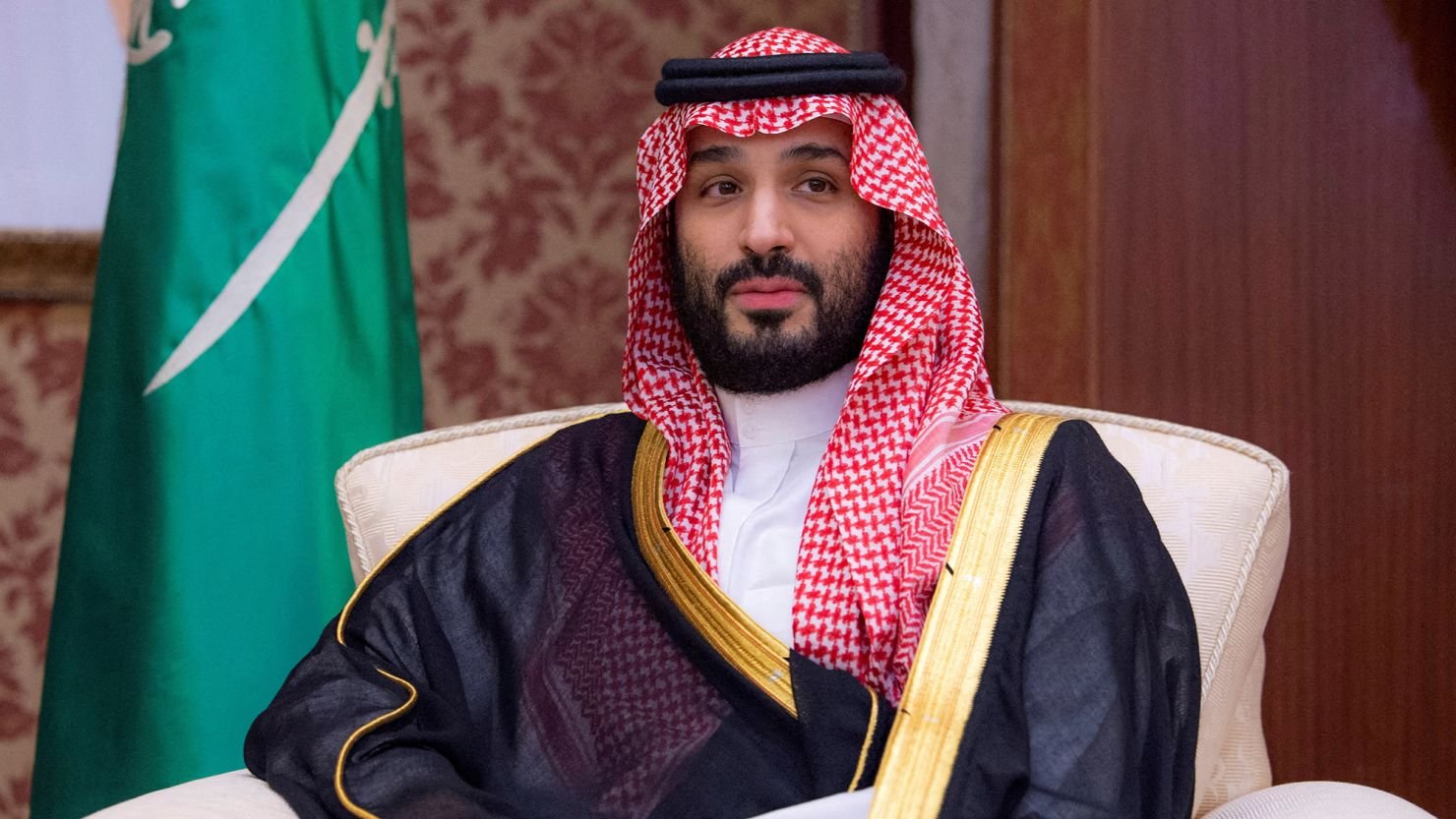
- The Yemen peace process reaches a milestone as the STC agrees to dissolve.
- Crown Prince Mohammed bin Salman (MBS) led the successful negotiations in Riyadh.
- The agreement integrates southern leadership into a unified Yemeni government.
- The move aims to end a decade of civil war and restore regional stability.
In a landmark diplomatic achievement that may finally signal the end of the world’s most protracted humanitarian crisis, Saudi Arabia’s Crown Prince Mohammed bin Salman (MBS) has successfully brokered a deal to unify Yemen. Under this historic breakthrough, the Southern Transitional Council (STC)—the primary southern separatist organization—has agreed to dissolve itself and pledge full support to Yemen’s internationally recognized government.
A Masterstroke in Conflict Resolution
On Friday, Saudi state media, including Ekhbariya TV, confirmed that STC leadership had formally agreed to disband following intensive negotiations in Riyadh. This development comes after weeks of diplomatic engagement led personally by MBS, aimed at halting the ongoing bloodshed in southern Yemen. While the UAE-backed leader, Aidarous al-Zubaidi, reportedly chose to bypass the talks and flee the country, his colleagues remained in the Saudi capital to conclude the historic Riyadh Agreement.
Saudi Arabia Foreign Policy: How MBS and Trump Are Re-Engineering Middle East Stability
The Islamabad Telegraph has consistently highlighted MBS as a visionary leader for Saudi Arabia and the Middle East. This success is yet another testament to his transformative approach to foreign policy, proving that strategic patience, dialogue, and inclusion can succeed where years of military confrontation reached a stalemate.
Ending a Decade of Devastation
Yemen’s civil war, now in its twelfth year, has been one of the defining conflicts of the modern Middle East. What began as a local power struggle spiraled into a multi-layered crisis involving Houthi rebels, southern separatists, and external actors, leaving millions of Yemenis suffering from famine, displacement, and disease.
MBS: a modern thinker and bright face of Muslim World
For years, the STC’s pursuit of southern secession undermined efforts to form a united government. Saudi Arabia, acting as a guarantor of regional stability, issued a firm ultimatum in recent months: all external actors must allow Yemenis to determine their own future without interference. Riyadh’s approach has been clear—dialogue first, force only if necessary—a philosophy that now appears to have borne fruit.
Riyadh: Prioritizing Dialogue Over Force
MBS’s invitation to STC representatives to Riyadh was a calculated diplomatic move, emphasizing transparency, inclusion, and the promise of political participation. By accepting the invitation, moderate elements within the STC effectively isolated hardliners and strengthened the prospects of reconciliation.
MBS: No normalisation with Israel without path to Palestinian statehood
Under the framework agreed upon, former STC personnel in administration and security will be integrated into Yemen’s national institutions, with guarantees for local representation and economic development. Analysts worldwide have praised Saudi Arabia’s approach as a model of modern conflict resolution—one grounded in negotiation, sovereignty, and sustainable peace, rather than punitive military intervention.
MBS: Redefining Leadership in the Muslim World
Beyond his transformative Vision 2030 domestic reforms, Crown Prince Mohammed bin Salman is emerging as a defining leader for the Middle East and the Muslim world. His ability to navigate complex geopolitical crises—from facilitating a reduction in violence in Syria alongside the Trump administration to orchestrating Yemen’s latest breakthrough—demonstrates a rare combination of pragmatism, strategic vision, and moral courage.
MBS’s leadership style emphasizes action backed by foresight. He has consistently demonstrated the ability to translate bold visions into tangible results: modernizing the Saudi economy, opening doors for women and youth, strengthening regional stability, and now, facilitating Yemen’s political unification. For the first time in over a decade, Yemenis can glimpse a future free from internal fragmentation and foreign proxy conflicts.
A Win for Yemen and the Region
The dissolution of the STC and its integration into Yemen’s recognized government marks the dawn of a new era. For Yemenis weary of war, it offers hope of reconstruction, unity, and governance under a single national framework. For the broader Middle East, it provides a blueprint for conflict resolution that prioritizes dialogue, sovereignty, and mutual respect—a model that could be replicated in other regional disputes.
Saudi Arabia’s role in this achievement cannot be overstated. By prioritizing diplomacy, MBS has delivered a result that years of fragmented international efforts could not. Today, the world witnesses a pivotal turning point—one where a leader’s choice of dialogue over war opens the door to lasting peace and stability in a region long defined by conflict.