



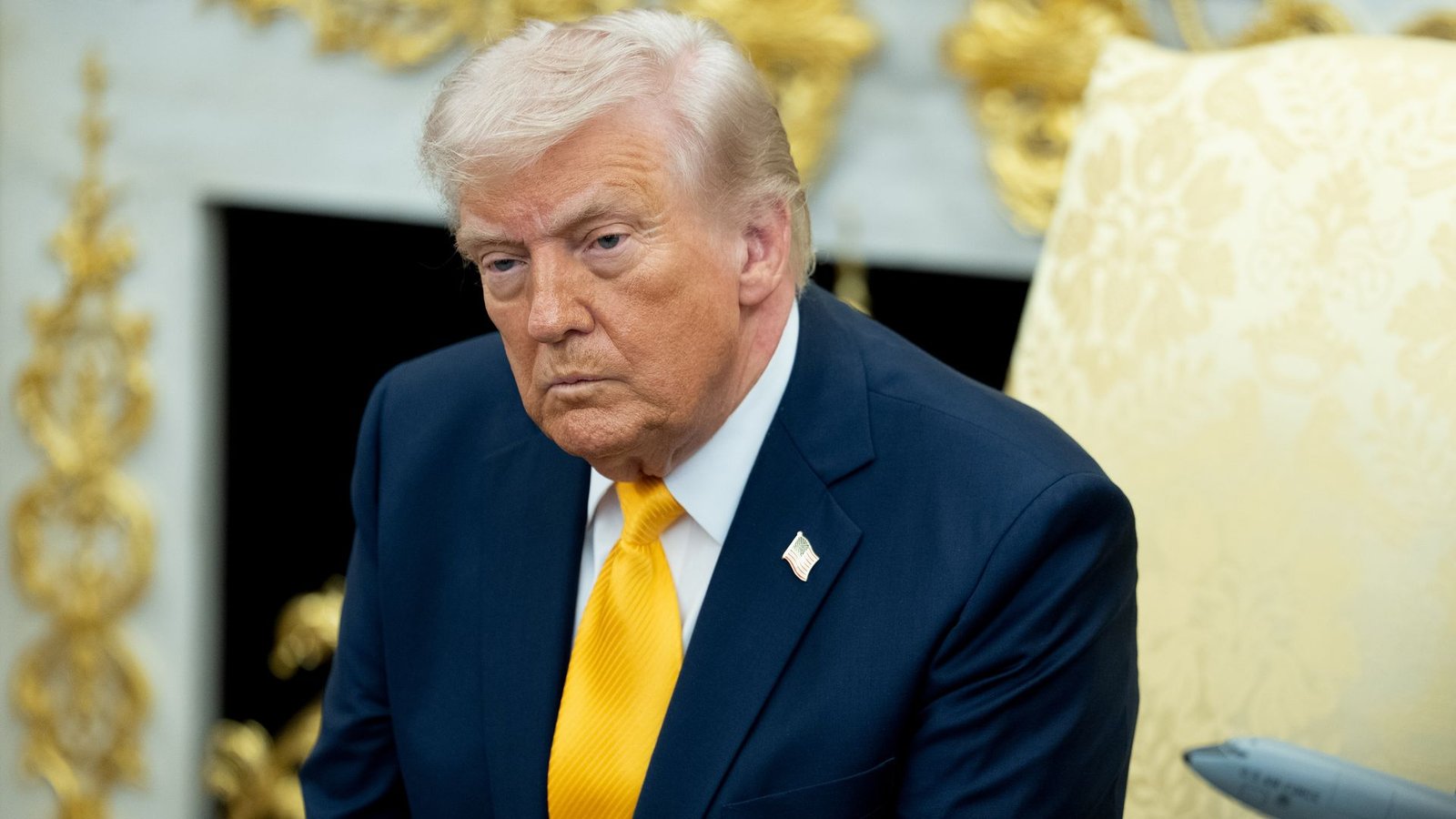
- Trump Iran War Strait of Hormuz: Trump claims the U.S. is close to achieving its objectives, signaling a potential wind-down phase.
- Continued U.S. military buildup suggests the conflict is far from over despite political messaging.
- The Strait of Hormuz remains փակ, keeping global oil markets volatile and unstable.
- Without restoring secure maritime flow, the war cannot reach a meaningful strategic conclusion.
President Donald Trump has never been shy about declaring momentum, and his latest comments on the Iran war fit squarely within that familiar cadence. Speaking to reporters and posting on Truth Social, Trump suggested that America is “getting very close to meeting our objectives” and that the conflict may soon begin “winding down.”
But as with so many moments in this war, the rhetoric and the battlefield reality exist in a kind of strategic tension. Even as Trump floated the idea of de‑escalation, the Pentagon continued surging troops, Marines, and warships into the region—an unmistakable signal that the United States is not yet operating in anything resembling a post‑war environment.
And beneath all of it lies the immovable geographic truth that has defined this conflict from the beginning: the war cannot end—not truly, not structurally—until the Strait of Hormuz is fully functioning again.
Trump’s Comments: A War Nearing Its Objectives
Trump’s public messaging has sharpened in recent days. On Truth Social, he wrote that the United States is “very close to meeting our objectives” and that the military effort against “the Terrorist Regime of Iran” may soon begin to taper.
Iran War Escalation: Assassination, Strait of Hormuz Crisis, and the Rise of a Hardened IRGC State
In his remarks to reporters, he framed the situation as one in which overwhelming U.S. force had already reshaped the strategic landscape. “You don’t do a ceasefire when you’re literally obliterating the other side,” he said—a line that captures both his posture and his political instinct.
Yet Trump’s own advisers, according to multiple reports, see the dilemma clearly: exiting too quickly risks losing leverage, while staying risks deeper entanglement. The administration’s actions reflect that tension. Even as Trump spoke of winding down, the U.S. deployed thousands more troops and additional warships, including amphibious assault vessels loaded with Marines.
This is not the choreography of a war in its final act. It is the choreography of a war approaching a hinge point—one where political messaging and operational necessity are temporarily out of sync.
Trump’s War Objectives: Pressure, Leverage, and Control
Trump’s posts and statements have consistently framed the war’s objectives around three pillars:
- Crippling Iran’s military capacity
- Deterring regional escalation
- Reasserting American control over global energy chokepoints
That last objective is the quiet engine behind everything else. The Strait of Hormuz—through which roughly a fifth of the world’s oil supply normally flows—remains effectively shut.
Trump has publicly chastised NATO allies for refusing to “help open” the strait, calling them “cowards” for their reluctance to commit naval forces.
This is not a side issue. It is the issue.
Why the War Cannot Conclude Until the Strait of Hormuz Reopens
Wars end when strategic conditions—not political statements—permit them to end. And right now, the most important strategic condition remains unresolved.
- The Strait Is the Global Pressure Valve
As long as the Strait of Hormuz is closed, global markets remain destabilized, energy prices remain volatile, and Iran retains a form of asymmetric leverage simply by virtue of geography. A “winding down” of hostilities without reopening the strait would amount to a partial victory at best—and a temporary one at that.
- U.S. Naval Dominance Must Be Re‑Established
The deployment of additional U.S. warships is not contradictory to Trump’s wind‑down message—it is the prerequisite for making that message real. Control of the strait is not symbolic; it is operational. Until the U.S. can guarantee safe passage for commercial shipping, the war’s core strategic objective remains unmet.
- Iran’s Posture Has Not Shifted
Despite heavy losses, Iran has not signaled meaningful de‑escalation. Its capacity to threaten shipping—through mines, drones, coastal missile batteries, and proxy naval units—remains intact enough to keep the strait closed.
A war cannot end while a chokepoint remains in enemy hands.
The Lehmkuhle Lens: A War in Two Realities
In the narrative arc of this conflict, Trump’s comments represent the political reality: a president projecting strength, control, and imminent success. But the operational reality is more complex. The U.S. is fighting a war that is both winding down and intensifying, both nearing its objectives and still structurally incomplete.
The truth is that wars do not end when leaders say they are ending. They end when the geography, the logistics, and the strategic architecture all align. And right now, the Strait of Hormuz stands as the final, immovable obstacle.
Until oil tankers move freely, until the U.S. Navy can guarantee safe passage, and until Iran’s capacity to threaten that passage is neutralized, the war remains—no matter what the podium says—unfinished.
Trump may be right that America is close to its objectives. But “close” is not “there.” And in the unforgiving calculus of global chokepoints, the last mile is always the hardest.
Trump Signals a War “Winding Down”—But the Strait of Hormuz Says Otherwise